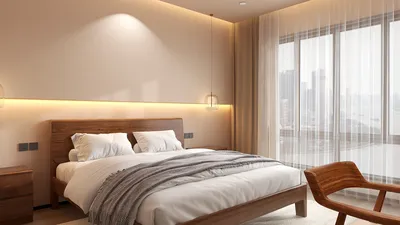


In recent times, the eclectic design of living rooms has surged in popularity — merging various styles, textures, and time periods to craft a uniquely personal space. With over ten years of experience in designing small apartments and inviting living areas, I’ve discovered that smaller spaces often ignite heightened creativity. In this article, I’ll present 10 eclectic living room concepts I’ve implemented, combining my own insights with expert recommendations to help you maximize your area.
1. Harmonious Blend of Vintage and Modern
My Experience: On one occasion, I combined a mid-century sofa with industrial metal shelving — the resulting balance was delightfully surprising. This juxtaposition allowed each item to shine more prominently.
Advantages: A thoughtfully curated mix adds depth to your living room and reflects your individuality. As cited by Architectural Digest, eclectic interiors that merge different eras are seen as more inviting and distinctive.
Disadvantages: Excess mixing can lead to a chaotic appearance. A clearly defined color scheme is essential to avoid visual clutter.
Advice: Begin with a primary style, then incorporate accents from another era in a ratio of 20–30%.
2. Textural Layers for Coziness
My Experience: In a client's loft, we layered a wool rug atop a sisal base, complemented by a velvet blanket draped over a linen sofa — this became the most popular conversation nook.
Advantages: Layered textures create a warm and inviting vibe, ideal for a cozy, eclectic seating area. This approach stimulates multiple senses, giving the space a comfortable, lived-in atmosphere.
Disadvantages: Overusing heavy textures can result in a stuffy environment, especially in warmer regions.
Advice: Avoid thick fabrics in areas with limited natural light to prevent a dreary ambiance.
3. Eye-Catching Rugs as Focal Points
My Experience: I often initiate eclectic designs by selecting a rug with bold patterns — it serves as a foundation to build upon.
Advantages: A striking rug can unify mismatched furnishings and draw attention. Durable wool rugs are excellent for high-traffic areas.
Disadvantages: Strong patterns might overpower smaller rooms unless balanced with neutral-toned furniture.
Budget Tip: Vintage rugs from auctions can surprisingly be budget-friendly compared to new designer alternatives.
4. Unique Lighting Fixtures
My Experience: Once, I installed an oversized Moroccan pendant in a compact living space — guests couldn’t help but stare in awe.
Advantages: Distinctive lighting serves as both function and art. It can swiftly establish the stylistic theme of your environment.
Disadvantages: If too large, it can overpower the room's vertical space.
Advice: Combine striking light fixtures with dimmable bulbs to manage the mood and atmosphere.
5. Gallery Walls for Personal Narratives
My Experience: By integrating my travel photographs with second-hand artwork, I invariably spark intriguing conversations with guests.
Advantages: Gallery walls provide a unique platform to exhibit memories and personal style; they can also help conceal awkward wall shapes.
Disadvantages: Without meticulous planning, the arrangement of frames may appear disorganized.
Advice: Arrange your pieces on the floor initially to refine the layout before mounting them.
6. Eclectic Color Blocking
My Experience: One of my designs featured a teal accent wall paired with mustard curtains — bold yet brimming with energy.
Advantages: Color blocking accentuates different functional areas within a room, making open spaces feel more organized. This is especially advantageous for open-plan living areas with eclectic nuances.
Disadvantages: Unintentionally clashing colors can result in overwhelming sensory experiences.
Advice: Utilize a color wheel to select complementary or triadic color schemes for a harmonious effect.
7. Plants as Artistic Features
My Experience: I once positioned a tall fiddle leaf fig beside a vintage armchair — it instantly invigorated that corner.
Advantages: Plants provide height, texture, and enhance air quality while softening stark lines in eclectic designs.
Disadvantages: Some plant species require considerable upkeep; they might struggle in low-light living rooms.
Advice: Combine tall feature plants with trailing or tabletop varieties for a varied display.
8. Versatile Furniture Selections
My Experience: In smaller living areas, I recommend furnishings like storage ottomans or nesting tables — chic without sacrificing functionality.
Advantages: Ideal for small eclectic living rooms where maximizing utility is crucial.
Disadvantages: Certain multifunctional pieces might lack the aesthetic refinement of single-purpose items.
Advice: Select designs that align with your primary style, then accessorize them for an eclectic touch.
9. Incorporation of Global Elements
My Experience: I adore sourcing ceramics from Japan and textiles from Morocco — blending these cultural pieces introduces a worldly elegance.
Advantages: Global accents infuse your living room with unique textures and layered narratives. Elle Decor notes that a cultural blend in décor creates a more vibrant and personalized ambience.
Disadvantages: Excessive mixing can lead to a kitschy, souvenir shop feel if not toned down appropriately.
Advice: Cluster items from the same region together to maintain visual coherence.
10. Impactful Wall Treatments
My Experience: In a recent redesign, we applied removable wallpaper with a tropical motif behind a minimalist couch — it created an immediate wow factor.
Advantages: Wall treatments allow for bold experimentation without altering furniture. An eclectic feature wall with dynamic patterns can radically transform the room's mood.
Disadvantages: Busy designs may diminish the perception of space in smaller areas.
Advice: In rental spaces, opt for temporary peel-and-stick designs for an effortless update.
Conclusion
In my view, an eclectic living room is not just about haphazardly mixing different styles; it’s about strategically layering design elements. Small spaces don’t equate to diminished style — they simply require more thoughtful decisions. According to the American Society of Interior Designers, successful eclectic spaces hinge on intentional contrast and cohesion. Which of these 10 eclectic living room ideas will you explore with Homestyler first?
FAQ Section
1. What characterizes an eclectic living room style?
It’s a design approach that harmonizes various elements, styles, and textures to reflect individual tastes, typically curated rather than spontaneous.
2. How can I maintain order in eclectic designs?
Stick to a limited color palette and incorporate repetition in shapes or materials to cohesively link diverse elements.
3. Is eclectic design suitable for smaller living rooms?
Definitely, it allows you to showcase your personality in a compact setting by selectively choosing impactful items instead of numerous small pieces.
4. Can I mix patterns within an eclectic living room?
Absolutely. Just balance intricate prints with solids, and vary the scale of patterns to avoid overwhelming the eye.
5. Do you need a large budget for eclectic interiors?
Not at all. Thrifting, DIY projects, and vintage finds can lead to remarkable, cost-effective outcomes.
6. How should I incorporate color in an eclectic living room?
Begin with a dominant hue, add 2–3 accent colors, and repeat them throughout the room for visual consistency.
7. What’s a quick way to give my living room an eclectic feel?
Update your throw pillows and create a cluster of art on your wall — it’s a fast, budget-friendly way to make an impactful change.
8. Where can I seek inspiration for eclectic living rooms?
Design blogs, Pinterest, and curated case studies featuring innovative eclectic living room designs are fantastic resources.
Discover the magic of home design with Homestyler! This user-friendly platform offers an intuitive online design tool, stunning 3D rendering, and a wealth of inspiring design projects. With helpful DIY video tutorials, transforming your space has never been easier or more enjoyable.
Design Now for FREE
































