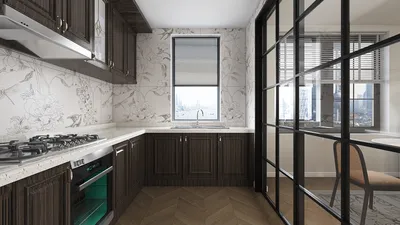


During one of my projects, I installed antique off-white cabinets in a charming 1920s bungalow for a client. To my surprise, the cabinet color perfectly matched her grandmother's teacups, leading her to tears of joy. This experience taught me that even minor finish details can elicit profound emotional responses. Working with compact kitchens requires innovative thinking; modifying a cabinet's finish or hardware can dramatically alter the atmosphere. In this piece, I will delve into five practical design inspirations for off-white antique kitchen cabinets derived from projects I've managed, covering the advantages, potential pitfalls, and useful tips that have saved both time and money.
1. Cozy Warm Off-White with Walnut Touches
Pairing warm off-white lacquer with walnut accents, like shelves or a topside, adds a layer of depth and prevents the space from appearing too flat. This combination creates a warm, inviting aesthetic while retaining elegance; however, matching wood tones to avoid clashes can be tricky. A budget-friendly strategy involves using walnut veneer for drawer fronts and solid walnut only for areas that see frequent contact.
save pin
2. Distressed Finishes for Genuine Antique Appeal
Applying a distressed finish to your off-white cabinets enhances their character and conceals signs of wear — ideal for bustling family kitchens. It's both forgiving and endearing, but be cautious not to overdo it, as excessive distressing can undermine the authentic feel. I’ve salvaged a nearly ruined project by softening aggressive distressing with a glaze; a simple glazing technique can lend authenticity to artificial distressing.
save pin
3. Contrasting Two-Tone Color Scheme
Using off-white for upper cabinets paired with darker shades like charcoal or sage for lower cabinets effectively stabilizes the room while diminishing the frequency of cleaning required for those lower surfaces. This design choice also helps elevate the ceiling visually while preserving practicality at the base. A slight challenge lies in achieving color harmony; I always recommend testing large paint samples under kitchen lighting before making a final decision.
save pin
4. Elegant Antiqued Hardware and Textured Panels
Incorporating antiqued brass or oil-rubbed bronze hardware provides a subtle finishing touch that enhances the antique aesthetic. Adding details like beadboard or shallow fluting to cabinet insets introduces texture without overwhelming a smaller kitchen space. While this may require additional labor due to the intricate panels, the resulting authenticity is invaluable for homes with historical significance.
Explore tangible layout examples to see how these suggestions manifest in practical design and elevation using a room planner to aid decision-making effortlessly within my workflow.
save pin
5. Sophisticated Matte Off-White with Integrated Lighting
A matte off-white finish minimizes glare and imparts a refined look; when combined with warm LED strips under the cabinets, it achieves a unique blend of modernity and antique charm. Integrated lighting not only enhances task performance but also highlights eye-catching backsplashes. Do bear in mind that matte finishes may show marks more easily, so it's wise to select durable options for high-traffic zones.
save pin
Frequently Asked Questions
Q: Which off-white hue is ideal for antique cabinets?
A: Warm off-whites with subtle beige or yellow undertones typically convey an antique vibe; testing samples in varied lighting throughout the day is advisable.
Q: What techniques can I use to make new cabinets appear authentically antique?
A: A combination of glazing, selective distressing, appropriately styled hardware, and textured paneling will contribute to an authentic look — remember, subtlety is the key.
Q: Are matte finishes suitable for kitchen cabinetry?
A: Absolutely; matte finishes provide an elegant appearance, but it's important to choose resilient, wipeable options for durability.
Q: Is it possible to integrate painted antique cabinets with open shelving?
A: Definitely; open shelving in walnut or painted finishes adds visual interest and allows for decorative displays, but be mindful of load capacity and finish compatibility.
Q: Which hardware finish complements off-white antique cabinets best?
A: Antiqued brass, oil-rubbed bronze, or aged nickel are all excellent choices — remember to sample these alongside your cabinet finish to ensure compatibility.
Q: What is the expected budget for refinishing antique-style cabinets?
A: Prices can vary greatly; however, refinishing along with glazing and new hardware is often significantly cheaper than full cabinet replacement; obtaining itemized quotes is essential for an accurate budget.
Q: Where can I access 3D layouts to visualize these designs?
A: I recommend utilizing a 3D floor planner like Homestyler for a detailed look at scale, lighting, and material interactions prior to making commitments.
Q: Are there reliable resources for historic kitchen finishes?
A: Certainly — the National Trust for Historic Preservation provides valuable guidance on historical finishes and materials (https://savingplaces.org).
save pin
Homestyler is your go-to platform for effortless home design. With its user-friendly online tool, stunning 3D renderings, and a wealth of design projects and video tutorials, you can easily transform your living space into a personal haven. Start creating your dream home today!
지금 무료로 디자인하세요
































