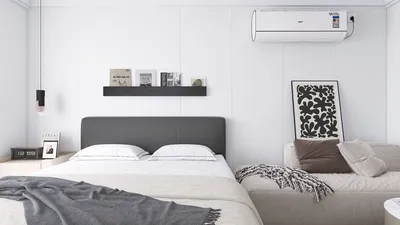


Throughout my decade-long journey as an interior designer, I have observed how contemporary design trends prioritize adaptability, multifunctional furnishings, and inviting nooks. In living areas, corner seating solutions showcase the potential of compact spaces, proving that creativity can flourish even in the smallest environments. In this article, I will present 10 corner seating ideas that blend my professional experiences with expert advice, all aimed at inspiring you to reimagine your living space using tools like Homestyler.
Built-in Bench with Storage
From my experience, designing a built-in bench for a client's sun-drenched corner transformed it into their cherished reading hideaway. The added storage drawers underneath not only maximized functionality but also significantly saved space.
Pros: It cleverly conserves space while providing concealed storage, making it an excellent choice for small living rooms that seek multifunctional furniture. A survey by Houzz highlights that integrated storage enhances a home's attractiveness and increases resale potential.
Cons: Since it's a fixed installation, changing the furniture layout later can be challenging, and custom designs may also come at a higher cost.
Tip: Opt for neutral upholstery to allow for easy decorative transitions. An example of cozy corner seating featuring hidden compartments fits seamlessly into multipurpose settings.
L-Shaped Sectional Sofa
I appreciate how an L-shaped sectional effortlessly fits into a corner, crafting a clearly defined yet open lounging area. I incorporated this element into my apartment to enhance the perception of space.
Pros: It optimizes seating without overwhelming the area, which is ideal for open-plan designs that need a distinct living zone.
Cons: It's cumbersome to move, and navigating through narrower doorways or staircases can pose challenges when relocating it.
Corner Accent Chair Duo
In a studio apartment project, I positioned two stylish accent chairs at an angle in the corner, creating a delightful conversing space.
Pros: This configuration is versatile and allows for easy rearrangement, making it perfect for intimate conversations or casual coffee sessions.
Cons: It offers less seating compared to a sofa and can appear insufficient in very spacious rooms.
Window Seat with Cushions
One of my favorite design decisions has been to add a cushioned bench beneath a bay window; it perfectly frames the view and establishes a serene escape.
Pros: It beautifully utilizes odd window corners while serving as a cozy focal point. The influx of natural light enhances its uplifting ambiance.
Cons: Its low seating height may not be the most comfortable for prolonged lounging, and sunlight exposure can gradually fade materials.
Case Study: A client cleverly combined a window seat with bookshelves to create a mini-library effect known for the inviting charm of built-in reading corners.
Curved Modular Sofa
In a loft project, I utilized a curved modular sofa to soften harsh angles, contributing to a more fluid space.
Pros: It disrupts rigid lines effectively, and its modular nature allows rearrangement to accommodate gatherings or solitary relaxation.
Cons: It tends to be pricier than standard straight sofas and can sometimes be difficult to find in inventory.
Corner Daybed
I implemented a corner daybed in a compact living space designed for a young couple; it served dual purposes as a guest bed, which was revolutionary for hosting overnight visitors without a separate guest room.
Pros: It enhances functionality, making it ideal for naps, reading sessions, or unanticipated overnight guests.
Cons: It occupies a larger area than traditional armchairs and requires additional cushions to create an inviting atmosphere.
Floating Shelves with Single Chair
I crafted a reading nook equipped with floating shelves above a sleek armchair, turning it into a tranquil escape spot for the homeowner.
Pros: The shelves provide vertical storage, contributing to a spacious and uncluttered feel.
Cons: This setup accommodates just one person, making it unsuitable for larger gatherings.
Corner Fireplace Seating
During a renovation last winter, I arranged a loveseat beside the corner fireplace, creating an incredibly cozy spot in the home.
Pros: The fireplace adds warmth both physically and visually, anchoring the overall seating arrangement.
Cons: Being a heat source, it limits the fabric choices for the furniture, necessitating attention to fire safety issues.
Hanging Chair in the Corner
Incorporating a hanging chair in a bright corner added a delightful touch to a client’s bohemian-styled living area.
Pros: It offers a distinctive focal point while conserving floor space underneath.
Cons: Requires stable ceiling support and may not be suitable for everyone, particularly those with mobility challenges.
Custom Wrap-around Seating
For a family entertainment room, I designed wrap-around seating along two corner walls, making it feel like a personal cinema experience.
Pros: This setup optimizes every inch of space, ideal for large gatherings and multipurpose areas.
Cons: As permanent fixtures, they limit flexibility for future furniture arrangements.
For another viewpoint, consider how custom seating layouts can revitalize underutilized corners in living rooms, effectively merging style and functionality with tools like Homestyler.
Conclusion
Navigating small living spaces and awkward corners should not inhibit design; rather, it encourages innovative thinking. Trends spotted by Architectural Digest for 2024 highlight that multifunctional built-ins and flexible seating are at the forefront. Which corner seating ideas resonate with you for your own home?
FAQ
1. What advantages does built-in corner seating provide in a living room?
Built-in seating optimizes space, incorporates storage solutions, and creates a customized aesthetic that enhances property value.
2. How can corner seating expand the perceived space in a small living room?
Furniture that fits neatly into unused corners enhances flow and contributes to visual harmony within the room.
3. Is a sectional sofa suitable for corner placement?
Absolutely, L-shaped sectionals or modular options work exceptionally well for maximizing seating in corner areas.
4. What fabric is ideal for sunny window seat corners?
Fabrics that resist fading, such as solution-dyed acrylic, are advisable, as endorsed by the National Upholstery Association.
5. Can I place a hanging chair in a corner of my apartment?
Yes, provided the ceilings are reinforced; otherwise, consider a freestanding hanging chair.
6. How do I creatively style a corner seating area without overspending?
Consider sourcing second-hand chairs, creating DIY cushion covers, and utilizing thrifted shelving for an economical aesthetic.
7. Are corner fireplaces practical in seating layouts?
Certainly, they function as natural focal points; just ensure there is adequate distance between heat sources and combustible materials.
8. Is it necessary to hire a designer for custom wrap-around seating?
Not necessarily—you can explore online design platforms like Homestyler to plan your layouts independently.
Homestyler is your go-to online home design platform! With its user-friendly design tool, stunning 3D renderings, and a wealth of DIY video tutorials, you can effortlessly create and visualize your dream spaces. Transform your home design journey into a fun and inspiring experience today!
立即免费设计
































