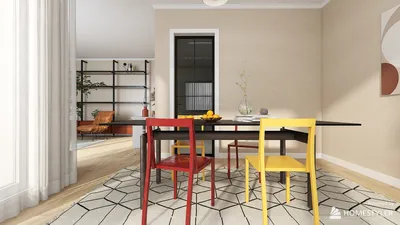


In recent times, earthy shades, particularly the warmth of brown, have seen a notable resurgence in interior design. It's my belief that even the coziest of spaces can spark immense creativity, making a brown living room a versatile choice. From rustic charm to sleek modernity, I will present 10 inspiring brown color ideas for your living space, merging my own design observations with professional insights to help you discover the perfect style for your home that can be enhanced using Homestyler.
1. Soft Mocha Walls with Cream Accents
My Experience: I once revamped a snug apartment and found that soft mocha walls created a welcoming sanctuary without overwhelming the space. Complementing it with cream drapes offered a light and airy touch.
Advantages: This pairing amplifies natural light and gives the illusion of a more spacious living area while maintaining a warm atmosphere. A recent color trend report by Dulux asserts that gentle browns enhance comfort levels in homes.
Drawbacks: Should your windows be on the smaller side, mocha hues may appear darker than expected, necessitating additional lighting.
Suggestion: Opt for light-toned furniture to ensure the room doesn't feel visually overwhelming.
2. Chocolate Brown Sofa with Textured Throw Pillows
My Experience: In my personal living space, a luxurious chocolate sofa has served as a focal piece for years. It's a timeless choice that withstands the test of time, especially with kids and pets around.
Advantages: Rich chocolate upholstery effectively conceals stains and pairs well with various accent hues, making it ideal for seasonal decorative shifts. It also supports a grounded and cozy atmosphere.
Drawbacks: In smaller areas, dark furniture can overpower if the walls and flooring share similar dark tones.
You can enhance this setup by incorporating minimalist storage solutions to minimize visual clutter.
3. Walnut Wood Elements
My Experience: Introducing walnut shelves into a client's combined living and dining area instantly elevated the warmth and luxury of the space.
Advantages: Walnut's opulent grain harmonizes with both modern and traditional designs. It's robust and exhibits beautiful aging over time.
Drawbacks: Its darker tone can feel heavy; an excess might confine smaller living spaces.
Cost Insight: Authentic walnut can be pricey; opting for veneers presents a more budget-friendly alternative.
4. Tan Leather Armchairs
My Experience: I enjoy matching tan leather seating with intricate rugs; in a coastal retreat, this arrangement imparted a relaxed yet polished vibe.
Advantages: Leather is tough, easily maintained, and develops a unique character with age. Lighter brown shades keep the environment feeling welcoming.
Drawbacks: Leather may feel chilly during winter; consider incorporating a throw blanket.
5. Brown and Green Nature-Inspired Palette
My Experience: Drawing inspiration from forest hues, I combined olive green cushions with warm caramel walls, creating a soothing atmosphere.
Advantages: Nature-inspired color schemes are recognized for lowering stress levels, as highlighted by Terrapin Bright Green’s 2014 research. This blend brings the tranquil outdoors inside.
Drawbacks: Selecting an unsuitable green can clash with brown, resulting in a muddied appearance.
Suggestion: Choose muted and earthy greens for a seamless blend.
6. Coffee Brown Accent Wall
My Experience: Recently, I created a coffee brown feature wall that served as a stunning backdrop for artwork and open shelving.
Advantages: A dark accent wall adds depth and frames focal points, making it a simple weekend DIY project.
Drawbacks: Excessive dark brown can visually shrink a room.
To enhance a coffee accent wall, consider well-thought-out lighting arrangements to avoid dim areas.
7. Beige and Brown Layered Textiles
My Experience: Layering various shades of rugs, throws, and cushions creates an inviting atmosphere—ideal for rented spaces where painting isn’t an option.
Advantages: Textiles are cost-effective, easy to update seasonally, and provide cozy comfort.
Drawbacks: Overdoing layers can lead to a cluttered appearance, requiring a balance.
8. Espresso Brown Built-In Shelving
My Experience: A penthouse project featured custom espresso shelving that doubled as a showcase for books and art.
Advantages: Dark shelving offers a strong contrast against lighter walls and enhances display options.
Drawbacks: Dust is more likely to show on darker surfaces, demanding regular maintenance.
9. Caramel and White Striped Walls
My Experience: In a small client lounge, I experimented with horizontal stripes, which effectively widened the space while keeping a playful atmosphere.
Advantages: Stripes introduce dimension and energy without requiring major renovations.
Drawbacks: Precision is vital when painting stripes to maintain a clean look.
Tip: Use painter's tape and double-check measurements before you begin.
10. Rustic Brown Exposed Brick
My Experience: I appreciate the character and texture that exposed brick adds. In a loft renovation, leaving the brick unrefined provided an authentic industrial vibe.
Advantages: It instantly brings charm and tactile interest, fitting seamlessly into both modern and vintage designs.
Drawbacks: Brick can shed dust due to its porous nature; sealing it is advisable.
Combining rustic brick with open-plan designs can enhance the sense of space in compact living rooms.
Summary
In my view, a brown color palette in a living room embodies the idea of layered and intelligent design rather than restricting choices. Whether you prefer the softness of mocha or the drama of espresso, finding the right balance is essential—mixing materials, textures, and hues is key. Research from the Pantone Color Institute confirms that warm neutrals like brown foster stability and comfort. Which of these 10 engaging brown living room ideas would you be excited to explore first, perhaps using Homestyler to visualize your design?
FAQ
1. What are the best brown shades for a small living room?
Lighter shades, such as caramel or mocha, reflect more light, ensuring the area remains open, especially when complemented with cream or beige accents.
2. How do I modernize a brown living room?
Pair brown with sleek metallics, glass elements, and minimalist furniture designs for a contemporary twist.
3. Is it feasible to mix brown with cooler colors?
Definitely—combining brown with blues or greens can create a striking contrast. Sherwin-Williams’ design guides indicate these combinations are very refreshing.
4. Is brown suitable for minimalist aesthetics?
Absolutely—soft taupe or light walnut tones can introduce warmth to minimalist designs without interrupting the clean lines.
5. Does brown complement low-light areas?
Opt for lighter browns with reflective decor to avoid a dim, cave-like sensation; mirrors can also assist in distributing light.
6. What are cost-effective ways to incorporate brown into a living room?
Using textiles like cushions and throws is an affordable method to experiment with various brown tones.
7. How do I harmonize brown with other neutral colors?
Employ the 60-30-10 rule: e.g., 60% beige, 30% brown, and 10% accent color for a cohesive look.
8. Are there online resources to visualize brown living room designs?
Indeed, you can utilize AI-powered design tools, such as Homestyler, to experiment with wall colors, furniture placements, and layouts before making any decisions.
Discover the power of Homestyler, your go-to online home design platform! With an intuitive design tool, stunning 3D renderings, a wealth of design projects, and helpful video tutorials, transforming your space has never been easier. Create your dream home today!
Desain sekarang Gratis
































