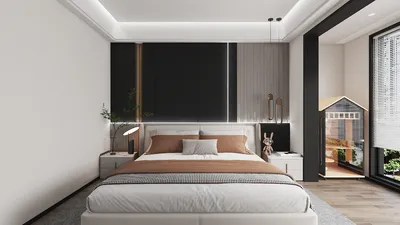


Throughout my extensive career as an interior designer, I've witnessed the remarkable resurgence of brown and beige. Currently, warm neutrals are at the forefront of living room trends, expertly balancing comfort with elegance. Having redesigned numerous compact homes, I've found that smaller spaces often lead to the most significant creative innovations. Today, I’m excited to share ten of my favorite living room concepts featuring brown and beige—drawn from authentic projects, professional insights, and even a few fortunate accidents along the way that can also be envisioned using Homestyler designs.
1. Soft Beige Walls Accented with Brown
My Approach: A technique I frequently use involves painting walls a gentle beige while incorporating deep brown through furniture or picture frames. In one instance, a slender living room instantly appears more cohesive yet not overwhelming.
Advantages: This aesthetic creates a timeless backdrop that harmonizes beautifully with natural light and modern furnishings. Based on design cases showcasing minimalist storage solutions, neutral walls facilitate seasonal decor changes without causing any clashes.
Disadvantages: The overall look may become bland unless diverse textures are introduced; consider adding linen pillows or woven rugs for added depth.
2. Textures Layered in Warm Neutrals
My Approach: I discovered early in my career that beige can be exciting—layering different textures alters everything. I once combined a chunky knitted throw with a leather ottoman, and the attractive contrast was undeniable.
Advantages: Varied textures keep a monochromatic color scheme vibrant and cozy, ideal for compact living spaces. Additionally, unique textures photograph excellently for social media sharing.
Disadvantages: Overdoing textures might overwhelm a smaller area; it’s best to limit to three or four primary textures.
3. Grounding the Room with Earth-Toned Rugs
My Approach: A brown-patterned rug featuring beige undertones helps anchor the space and delineates areas, particularly in open plan apartments. In my loft, for instance, the rug defined the lounge without the need for physical barriers.
Advantages: Area rugs add warmth while balancing furniture layouts, especially in modern living rooms.
Disadvantages: Larger rugs can be on the pricier side; be on the lookout for seasonal discounts or vintage finds.
4. Beige Upholstered Natural Wood Furniture
My Approach: The combination of oak coffee tables and beige linen sofas has been highly favored by clients seeking a warm, welcoming ambiance. Just last year, I transformed a standard condo into a cozy haven with this approach.
Advantages: The natural wood patterns offer organic texture that complements brown and beige schemes, and when sourced responsibly, it's an eco-friendly choice.
Disadvantages: Solid wood items can be quite heavy, so it's important to measure your space and doorways prior to making purchases.
5. Brown Leather Sofas as Focal Points
My Approach: During a bachelor pad renovation, a vintage brown leather sofa became the centerpiece of the room. Over time, it developed a beautiful patina, adding depth and character.
Advantages: Leather is long-lasting, easy to maintain, and introduces rich tones to beige settings. It’s also more allergy-friendly when compared to fabric alternatives.
Disadvantages: Leather can be expensive, and inexpensive versions often do not age well.
6. Light Beige Curtains for Gentle Illumination
My Approach: Replacing heavy drapes with light beige curtains immediately softened a living room I redesigned for a young couple. The influx of daylight transformed the ambiance remarkably.
Advantages: Lighter curtains diffuse harsh sunlight while making smaller rooms feel more spacious. A recent Houzz survey indicates that neutral window coverings remain a top preference among homeowners.
Disadvantages: They may require frequent cleaning due to their tendency to show dust and dirt more easily compared to darker fabrics.
7. Fusion of Modern and Rustic Styles
My Approach: I once blended a sleek beige sectional with a reclaimed barnwood coffee table, creating a captivating contrast. This combination tells a story.
Advantages: This fusion keeps the space intriguing, steering clear of a generic look. A harmonious balance between rustic and modern colors can seamlessly unite both styles.
Disadvantages: Overmixing styles can create confusion—maintain consistent undertones for clarity.
8. Wall Art Featuring Warm Sepia Tones
My Approach: For a client’s reading corner, I selected sepia-toned photography against beige walls. The outcome was both intimate and airy.
Advantages: Art in warm tones enhances brown and beige palettes, fostering cohesiveness throughout the space.
Disadvantages: Excessive dark frames may constrict the space; break them up with lighter mats to maintain an open feel.
9. Brass or Bronze Accent Lighting
My Approach: A bronze floor lamp beside a beige chair created a cozy reading nook in my home, with the metallic finish imparting a touch of glamour.
Advantages: Brass or bronze fixtures introduce depth to a neutral palette and elevate evening atmosphere without overshadowing daylight tones.
Disadvantages: Maintenance can be an issue with fingerprints and patina; determine if you appreciate or dislike the aging process.
10. Seasonal Changes with Cozy Throws and Cushions
My Approach: I have a rotating selection of cushions and throws in various shades of beige and chocolate brown. Changing them out refreshes the space instantly.
Advantages: An affordable way to adapt your living room for different seasons; ideal for renters who may not be able to paint. These textiles can complement L-shaped, space-saving layouts by introducing a sense of comfort.
Disadvantages: Storing additional textiles can be challenging in smaller apartments; consider investing in under-sofa storage solutions.
Conclusion
Brown and beige living rooms prove that neutral doesn’t equal boring. With thoughtful layering, a blend of materials, and personalized touches, these hues can serve as a blank canvas for endless creativity. Indeed, Architectural Digest highlights that warm neutrals continue to be a popular choice for living areas. Which of these ten ideas sparks your interest to try next? And for further design inspiration, consider utilizing Homestyler to visualize your concepts!
FAQ
Q1: Are brown and beige living rooms considered outdated?
A: Not at all—current design trends illustrate that warm neutrals remain in fashion due to their versatility and enduring appeal.
Q2: How can I create a cozy atmosphere in a beige living room?
A: Incorporate textured throws, layered rugs, and warm lighting options to cultivate a welcoming ambiance.
Q3: Can small living rooms accommodate brown furnishings?
A: Yes, just balance dark shades with lighter beige walls and reflective surfaces to ensure the space feels open.
Q4: Which accent colors complement the brown and beige palette?
A: Soft blues, sage greens, and terracotta accents can introduce warmth and character to the neutral base.
Q5: How can I prevent a neutral room from appearing flat?
A: Mix different materials like linen, wood, and metal, while diversifying the shades within the brown and beige spectrum.
Q6: Are there budget-friendly suggestions for this color scheme?
A: Rotate smaller decor items by season and look for second-hand wooden furniture; it’s both sustainable and economical.
Q7: Do brown and beige designs align with modern styles?
A: Absolutely. Pairing sleek furnishings with organic textures creates a balanced and contemporary aesthetic.
Q8: Where can I find layout inspiration for my living space?
A: Explore curated design sources online, including AI-generated interior layouts, for fresh and innovative ideas.
Homestyler is your go-to online home design platform! With its user-friendly design tool, stunning 3D renderings, and a wealth of DIY video tutorials, you can effortlessly create and visualize your dream spaces. Transform your ideas into reality with Homestyler today!
Design jetzt kostenlos
































