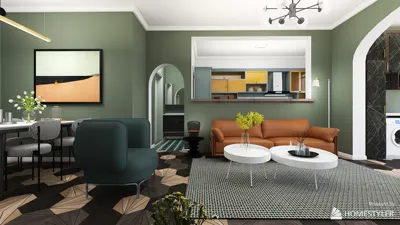


As an interior designer with over ten years of experience, I've witnessed how blush pink has evolved from a transient trend to a fundamental component in modern home décor. This gentle and adaptable hue complements small living rooms flawlessly, demonstrating that even limited spaces can foster substantial creativity. Today, I'm excited to share ten inspiring blush pink living room concepts, inspired by my projects and industry observations, to help you add warmth and elegance to your home without tipping over into excessive sweetness. By utilizing tools like Homestyler, you can visualize these ideas in your own space.
1. Minimalist Blush Pink Accents
My Perspective: In a downtown apartment I designed, I opted for crisp white walls and infused blush pink through cushions and art pieces. This choice maintained an ambiance that felt light, yet welcoming.
Advantages: This minimalist approach allows the blush color to stand out without overwhelming the small living room layout. It’s easy to refresh by simply changing out accessories, making use of the Homestyler platform to visualize different combinations.
Disadvantages: If you're someone who prefers bold design statements, this subtle approach might feel lackluster.
2. Blush Pink Sofa as the Focal Point
My Perspective: One standout look I created featured a velvet blush pink sofa against a charcoal backdrop—melding luxury and comfort effortlessly.
Advantages: This piece becomes a central focus, harmonizing beautifully with wooden and metallic finishes, while adding warmth to the room.
Disadvantages: The maintenance of fabric can pose challenges; velvet requires regular care to retain its luster.
3. Soft Blush Walls for a Cozy Ambiance
My Perspective: By painting the walls in a subdued blush, I was able to create a cocoon-like effect in a 25m² home that promotes relaxation.
Advantages: Research from Dulux Colour Trends indicates that soft pinks can impart a calming and personal atmosphere in smaller spaces.
Disadvantages: Excessive pink may appear outdated unless paired with modern textures. To achieve balance, I complemented it with matte black shelving.
For those interested, I invite you to explore additional examples of cozy minimalist blush arrangements I have crafted, showcased through Homestyler.
4. Blush Combined with Natural Wood
My Perspective: The combination of blush with oak or walnut lends an organic warmth that remains stylish throughout the year.
Advantages: This pairing introduces a Nordic aesthetic, timeless appeal, and maintains a grounded feel—ideal for renters who are unable to paint walls.
Disadvantages: Achieving the right balance is crucial; an overabundance of wood can darken a compact space.
5. Metallic Accents with Blush
My Perspective: Incorporating rose gold or brushed brass decor alongside blush textiles provides a hint of sophistication. I employed this combination in a city loft setting.
Advantages: Shiny metallics enhance light reflection, elevating overall brightness—an excellent tactic for north-facing living rooms where light is scarce.
Disadvantages: Excessive use can lead to a lavish appearance, so it’s essential to apply it proportionally.
6. Layering Textures in Blush Shades
My Perspective: Mixing blush linen curtains with velvet cushions and chunky knit throws added incredible texture to one of my open-plan designs.
Advantages: Layering textures creates visual interest, an ideal strategy for small blush pink living rooms where adding more furniture isn't an option.
Disadvantages: Overloading on textures in clashing shades can create chaos; it's best to stick to 2–3 differing fabric types.
If you're intrigued, I recently showcased an impressive example of an open-plan living area featuring blush accents.
7. Blush and Gray as a Modern Pairing
My Perspective: Grey tones help tone down the sweetness of pink, presenting a more mature aesthetic. I once combined a blush armchair with concrete side tables to create effective contrast.
Advantages: This neutralizes the color, making it more appealing to partners who might not appreciate a “pink room.”
Disadvantages: The look may turn too cool if warm lighting is neglected.
8. Blush Pink Rug as a Grounding Element
My Perspective: A spacious blush area rug placed under a grey sectional transformed a bachelor’s loft I remodeled into a warm haven.
Advantages: It defines the overall area, provides comfort underfoot, and is easily replaceable during redecorating phases.
Disadvantages: Lighter rugs can quickly show dirt, so opting for washable materials is wise.
9. Eye-Catching Art Against Blush Backgrounds
My Perspective: Displaying abstract art against a blush feature wall brought energy while maintaining a cohesive aesthetic in a creative studio.
Advantages: This approach allows for personal expression while keeping the color palette precise and curated.
Disadvantages: Thoughtful curation is essential to avoid mismatched tones.
I documented this in a mixed-use living and dining area embellished with blush highlights, where art took center stage.
10. Seasonal Layering with Blush
My Perspective: I love to incorporate blush textiles in spring and autumn—light linen for warm months, and heavier velvets as temperatures drop.
Advantages: This method keeps the space feeling fresh and in tune with the changing seasons.
Disadvantages: Seasonal shifts necessitate extra storage for décor items.
Summary
From my experience, using blush pink in a living room isn't merely about embracing a feminine touch—it's about thoughtful layering, combining it with grounding shades, and balancing various textures. Small spaces thrive when every design element is carefully considered, showcasing how constraints can spur creativity. As noted by Elle Decor, soft pinks are destined to remain a significant trend in contemporary interiors. Which of these blush pink living room concepts will you be eager to implement first, perhaps using Homestyler for visualization?
FAQ
1. Is blush pink suitable for small living rooms?
Absolutely, blush pink can create an inviting warmth in a small living room without visually constricting it, particularly when combined with neutral tones.
2. What colors complement blush pink best?
Shades like gray, white, soft beige, and natural wood tones harmonize beautifully with blush pink, as affirmed by the Pantone Color Institute.
3. Does blush pink seem too feminine for shared spaces?
Not when balanced with grounding materials like concrete, leather, or matte black metal.
4. Can blush pink appear modern?
Definitely, by pairing it with sleek lines, minimal furniture, and contemporary artwork, blush pink can maintain a modern feel.
5. How can I incorporate blush pink without repainting?
Consider using textiles such as cushions, rugs, and throws or opting for blush-hued wall art.
6. Will blush pink clash with bold artwork?
This depends on the undertone; cooler blush tones typically pair better with vibrant art pieces.
7. Is blush pink hard to maintain?
While walls are easy to care for, fabrics—especially lighter upholstery—may require more frequent cleaning.
8. Where can I find real-life examples of blush pink living room designs?
You can explore AI-assisted design examples that effectively incorporate blush pink across various layouts using platforms like Homestyler.
Discover the ease of home design with Homestyler! This user-friendly platform offers a powerful online design tool, stunning 3D renderings, and a wealth of design projects and video tutorials. Whether you're a beginner or an expert, bring your interior ideas to life effortlessly!
Design jetzt kostenlos
































