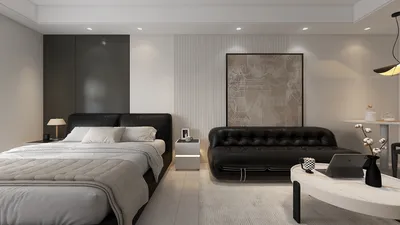


In recent years, the allure of bay windows has resurged within living room design trends. Having renovated numerous compact apartments, I can attest that small spaces often ignite the most creative ideas. In this article, I’ll present 10 inspiring bay window concepts for your living room, combining my design insights with expert recommendations to motivate your next project—using tools like Homestyler can further enhance your planning experience.
1. Cozy Reading Nook with Cushions
My Experience: I once converted a client's neglected bay window into a cozy reading nook featuring custom cushions and a slim bookshelf. It quickly became her preferred spot for enjoying coffee in the morning.
Benefits: A bay window seating area optimizes natural light while transforming an underutilized space into a functional seating zone. Long-tail keyword: "bay window seating ideas for small living rooms." Research from Architectural Digest reveals that natural light can elevate mood and create an illusion of more space.
Drawbacks: If not meticulously organized, it can easily become cluttered, particularly with throw pillows.
Advice: Select removable cushion covers for hassle-free cleaning; look for inspiration from minimalist cozy seating designs.
2. Bay Window Dining Extension
My Experience: In my residence, I integrated a narrow dining table alongside the bay window—casual gatherings feel almost like dining outdoors now.
Benefits: Fantastic for homes lacking a formal dining area; the view brings an element of natural decor and ambiance.
Drawbacks: It requires precise measurements to avoid cramped conditions.
Advice: Opt for transparent or slim-profile chairs to keep the atmosphere breezy.
3. Built-in Storage Under the Bay
My Experience: A project in a compact 550 sq.ft. apartment taught me the significance of utilizing every inch; drawers beneath a bay seat can cleverly conceal seasonal blankets and games.
Benefits: This idea merges seating with concealed storage—perfect for a decluttering strategy. Long-tail keyword: "built-in storage under bay window in living room."
Drawbacks: Customized furniture can be pricier compared to standalone storage options.
Advice: Incorporate hydraulic lids for easy and safe access.
4. Greenhouse Effect with Indoor Plants
My Experience: A south-facing bay window in a client’s loft transformed into a thriving greenhouse—her monstera flourished beyond expectations within just one year.
Benefits: Bay windows provide ideal conditions for indoor plants, enhancing air quality and visual appeal. Research from NASA further supports the air-purifying advantages of specific plants.
Drawbacks: Direct sunlight can damage fragile leaves, so plant selection is key.
Advice: Rotate your plant pots weekly to promote balanced growth.
5. Bay Window Sofa Integration
My Experience: Instead of placing the sofa in front of the bay window, I once designed it to fit within the alcove, creating a cohesive look and optimizing floor space.
Benefits: This setup eliminates awkward gaps while maximizing usable space. Long-tail keyword: "custom sofa for bay window alcove."
Drawbacks: Fixing the sofa limits flexibility for rearranging the layout.
Advice: Pair it with low-profile backs to keep the window view unobstructed.
6. Window Desk for Home Office
My Experience: The best desk I've ever utilized was nestled into a bay window—the natural light made lengthy work sessions feel significantly less taxing.
Benefits: An excellent choice for remote work settings; a bright, inspiring backdrop fosters productivity.
Drawbacks: Glare can pose a challenge—adjustable blinds may be necessary.
Advice: Anchor your desk with built-in drawers for smart storage solutions, akin to innovative floating workspace designs.
7. Statement Window Treatments
My Experience: Layered curtains and Roman shades transformed one bay window project into the room’s focal point, enhancing its visual appeal.
Benefits: Thoughtful window coverings can beautifully frame the architecture while managing light levels.
Drawbacks: A poor fabric choice might visually overwhelm the room.
Advice: Choose light, flowing fabrics in small spaces to ensure openness is maintained.
8. Reading Bench with Side Shelves
My Experience: For a client who loved books, we designed a vertical shelving unit flanking the bay window bench—her novels were easily accessible at all times.
Benefits: This solution merges comfort with storage; the bay window becomes a home destination.
Drawbacks: Deep shelves can create shadowy corners, potentially detracting from the ambiance.
Advice: Employ open shelving methods for a visually spacious feel, inspired by integrated shelving projects.
9. Accent Lighting for Evenings
My Experience: This addition of LED strips beneath the bay seat illuminated the living area at night—subtle yet significant.
Benefits: Extends the functional use of the bay window space beyond daylight hours.
Drawbacks: Requires careful electrical wiring to avoid visible cords.
Advice: Select warm white LEDs for a cozy and inviting atmosphere.
10. Bay Window as Art Display
My Experience: In a particularly artistic setting, the bay window sill became a rotating showcase for ceramics and sculptures.
Benefits: This idea maximizes aesthetic usage of the area without sacrificing functionality.
Drawbacks: Direct sunlight might fade certain art pieces—consider UV protection films for preservation.
Advice: Keep displays minimal to prevent visual clutter.
Conclusion
Bay windows in small living rooms represent opportunities, not limitations—they're invitations for innovative, thoughtful design. From inspiring seating arrangements to lush plant havens, these suggestions demonstrate how strategic styling can elevate a bay window to become the centerpiece of your home. As noted in the Houzz 2023 design report, multifunctional layouts are increasingly favored. Which of these creative bay window ideas for your living room will you implement first?
FAQ
Q1: What are the optimal uses for a bay window in a compact living room?
A: Seating nooks, storage benches, or desks are excellent options—they maximize light and space.
Q2: Can I position a sofa in front of a bay window?
A: Yes, but employing a custom-fit design is ideal to keep light and views unobstructed.
Q3: How can I mitigate glare from a bay window desk?
A: Utilize adjustable blinds or sheer curtains to manage brightness while maintaining natural light.
Q4: Is it advisable to add storage to a bay window?
A: Built-in drawers or shelves can be beneficial, yet careful measurements are critical to avoid overcrowding.
Q5: Are bay windows suitable for plants?
A: Absolutely! Just ensure you choose species that thrive in your window's sunlight conditions—NASA's Clean Air Study outlines numerous suitable options.
Q6: What enhancements can I make for evening decoration of a bay window?
A: Accent lighting placed under seating or along the frame adds a warm hue while showcasing architectural features.
Q7: What might the cost be for revamping a bay window?
A: Basic styling can start under $200, though custom carpentry or complex seating arrangements could escalate the cost into the thousands.
Q8: Can a bay window effectively function as a home office?
A: Definitely—numerous remote workers design their desks around bay windows for optimal light and creativity, similar to innovative space planning.
Homestyler is your go-to online home design platform, perfect for anyone looking to transform their space. With a user-friendly design tool, stunning 3D renderings, and a wealth of DIY video tutorials, you can effortlessly create and visualize your dream home. Dive in and get inspired!
지금 무료로 디자인하세요
































