

A client of mine once expressed that their basement laundry area seemed "too domestic," desiring a look akin to a boutique studio. To achieve this, we opted for deep teal cabinetry complemented by brass handles. This bold choice revealed that even the most mundane basement can be infused with character. In smaller utility spaces, a well-chosen color can significantly enhance the overall design.
Small areas fuel boundless creativity, and I’m excited to share five color schemes for basement laundry rooms from my real-life projects. Each idea includes insights on why they are effective, potential pitfalls, and some budget-friendly tips. For a sneak peek at finishes, consider using a 3D mockup with my favorite bright and airy whites, harnessing the capabilities of tools like Homestyler for accurate visualization.
1. Bright and Airy Whites
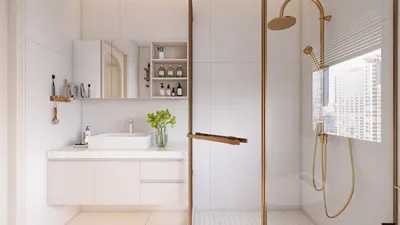
Choosing white for walls along with slightly warm cabinet tones and reflective elements can transform a basement into a visually expansive and clean space. In a project where I renovated a laundry beneath the stairs, I applied a soft warm white to the walls combined with glossy white cabinetry, maintaining a cheerful ambiance without a clinical feel.
Advantages: enhances the perception of size, easy for quick touch-ups, pairs beautifully with any accent color. Disadvantages: flat finishes can show dirt quickly, so it's advisable to use washable satin or semi-gloss paints around sinks and appliances.
save pin
2. Moody Jewel Tones
Rich shades like deep emerald, teal, and dark blue can add depth and conceal wear, which is why I recommend them for clients with a laundry space that also serves as a mudroom. Pairing these tones with warm metallic hardware and matte tiles maintains a grounded aesthetic.
Advantages: resilient against wear, creates a dramatic atmosphere without excessive decor. Disadvantages: darker tones can make spaces feel smaller—ensure adequate lighting and consider a lighter ceiling color to counterbalance this effect.
save pin
3. Utility-Friendly Palettes
Consider a warm greige base with striking accent tiles or cabinet fronts. In a compact basement, opting for mid-tones helps conceal stains while a bold tile splash can introduce unique character. In one instance, I used slate-gray cabinets at the bottom with a creamy shelf above—a practical yet stylish solution.
These utility-friendly palettes are ideal for those seeking low-maintenance options that endure without compromising on style; however, they may appear conservative if contrasting accents are avoided.
save pin
4. Pastel Retro Pop
Colors like mint green, soft blush, or cheerful buttercup yellow evoke a sense of nostalgia reminiscent of vintage laundromats, illuminating the basement space. I revitalized a dim laundry area by adding a pastel backsplash and swapping out knobs for rounded retro versions—delivering instant charm without breaking the bank.
Advantages: bright and inviting, blends well with retro appliances. Disadvantages: excessive use can feel outdated; it's best to limit the palette to one pastel accent along with neutrals.
save pin
5. High-Contrast Monochrome
A black-and-white design featuring graphic elements—such as a striped tile floor, black under-counter cabinetry, and stark white walls—creates a modern and crisp appearance. I implemented this striking monochrome approach in a laundry that also served as a pet-washing area, as the bold contrasts cleverly conceal wear around the sink while maintaining an adventurous style.
For those who prefer bolder shades, blend the drama of rich jewel tones with crisp white accents to prevent the space from feeling too closed off. Note that strong contrasts require balanced lighting to minimize harsh shadows.
save pin
FAQ
Q1: What paint finish is ideal for a basement laundry room?
Opt for satin or semi-gloss finishes on the walls in areas prone to splashes and scuffs—they're easier to clean and reflect more light than flat paint. Ceilings can be finished in flat or low-sheen white to help mask blemishes.
Q2: Are darker colors acceptable in a basement laundry?
Absolutely, darker shades can effectively conceal stains and impart a sophisticated feel; however, they might make low ceilings seem lower. Strike a balance with adequate task lighting and lighter ceiling colors.
Q3: What color selections can hide detergent or lint stains?
Mid-tones alongside patterned tiles work well in hiding imperfections; avoid very light flat finishes in work areas. Durable laminate cabinets and washable paints also help reduce maintenance efforts.
Q4: Is wallpaper suitable for a basement laundry?
It can be, provided that the basement is dry and well-ventilated. Vinyl-backed or washable wallpapers are the best choice for moisture-prone environments; steer clear of paper-backed types in damp areas.
Q5: What’s a quick, budget-friendly method to update color?
A fresh coat of paint on cabinetry or repainting doors and trims offers a high-impact change at a low cost. Swap out hardware for contrasting finishes to instantly modernize the look.
Q6: How crucial is lighting for color selection?
Lighting significantly alters how colors appear—warm bulbs can soften whites, while cool bulbs sharpen them. For more detailed guidance on lighting compatibility with color, refer to the Illuminating Engineering Society (IES) Lighting Handbook for recommended light levels in work areas.
Q7: Is it safe to mix materials like tile, paint, and laminate?
Yes, just select one main finish and use others as accents. For instance, a painted wall alongside a tiled backsplash and laminate counters can balance textures while maintaining a coherent palette.
Q8: How can I effectively plan the layout in relation to color choices?
Begin with a straightforward plan outlining the positions of machines, sink, and storage, then select a base color that ties everything together. If you’re designing the layout, sketching or creating a full-scale mockup can help you visualize how colors will interact under the basement’s lighting.
Discover your inner designer with Homestyler! This user-friendly online platform offers an intuitive design tool, stunning 3D renderings, and a wealth of DIY video tutorials. Whether you're a novice or an expert, bring your home design dreams to life effortlessly!
Design Now for FREE
































