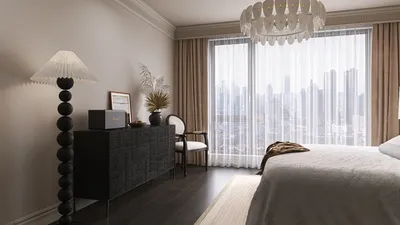


Attic living rooms are emerging as a popular trend in 2024. Having worked on numerous attic conversions, I can attest that small spaces ignite immense creativity. The distinctive angles, sloped ceilings, and secluded atmosphere lend themselves beautifully to personalized designs full of character. This article will present 10 inspiring attic living room ideas, drawing from my experiences combined with expert insights, including the use of Homestyler for visualizing your designs.
1. Minimalist Built-in Storage
My Insight: In one of my loft projects, we created wall-to-wall built-in shelving that matched the wall color, which visually enlarged the room while cleverly concealing clutter.
Advantages: This is ideal for smaller attic living rooms where space optimization is crucial, and it helps maintain a sleek and unified aesthetic, as suggested by Architectural Digest.
Disadvantages: Custom built-ins can be costly and require precise dimensions to fit under slanted ceilings.
Advice: Opt for lighter hues to make the ceiling feel more spacious. This approach mirrors the successful minimalist storage solutions I’ve encountered in compact areas.
2. Skylight-Enhanced Ceilings
My Insight: The addition of skylights significantly improved one client’s attic living room — the influx of natural light transformed it into their preferred reading space.
Advantages: Skylights illuminate the room with natural light, lessen the need for daytime electrical lighting, and contribute to a breezy ambiance.
Disadvantages: Installation and waterproofing can incur significant costs, and bright afternoon sunlight may necessitate shades.
Advice: Position skylights to minimize harsh sunlight exposure during peak hours to optimize comfort.
3. Inviting Reading Nook Under the Eaves
My Insight: Utilizing low-ceiling corners for built-in bookshelves and a cozy reading bench is one of my favorite design strategies.
Advantages: It transforms otherwise unused spaces into charming, functional areas perfect for relaxation and reading.
Disadvantages: These nooks might feel cramped for tall individuals, and flexibility for repurposing the area can be limited.
Advice: Incorporate layered lighting — a combination of wall sconces and a small reading lamp — to enhance functionality and create a cozy atmosphere.
4. Open-Concept Attic Layout
My Insight: During an attic renovation, eliminating unnecessary walls greatly improved sightlines and made a small, dim area feel much larger.
Advantages: This layout allows for versatile furniture arrangements and encourages a seamless flow for relaxation and entertaining.
Disadvantages: Shared spaces may compromise privacy, especially if combined with guest beds or home offices.
Advice: Utilize area rugs to demarcate distinct zones in an open attic environment.
5. Exposed Beam Appeal
My Insight: Retaining the original beams in a century-old home added immediate rustic charm to the attic living room.
Advantages: This feature brings warmth and architectural interest while complementing both traditional and contemporary styles.
Disadvantages: Beams may need sealing to ward off dust or pests, and can visually clutter low ceilings.
Advice: Light-colored walls can help balance the heavy appearance of exposed beams, a recommendation supported by the National Association of Home Builders.
6. L-Shaped Sectional Sofa for Space Efficiency
My Insight: In smaller attics, choosing an L-shaped sectional placed in a corner maximizes floor space while providing ample seating.
Advantages: This arrangement optimizes seating without overcrowding the area, establishing a natural layout.
Disadvantages: Transporting large sectionals through narrow attic staircases can be challenging; rearranging might be limited.
Advice: Carefully measure access routes before purchasing substantial sectionals — trust me, I learned this the hard way!
It mirrors how L-shaped designs effectively maximize room usage in other compact layouts.
7. Warm Wood Features
My Insight: Incorporating reclaimed wood elements like a coffee table or wall paneling can transform a bland attic into a cozy sanctuary.
Advantages: Wood adds natural texture and harmonizes well with both rustic and modern decor styles, ensuring timelessness.
Disadvantages: Dark wood tones can absorb light; careful selection is key for spaces with lower natural light.
Advice: Pair wood elements with lighter fabrics to preserve balance and brightness in the room.
8. Neutral Base with Colorful Accents
My Insight: Styling an attic living room with clean white walls and vibrant cushions allowed for seasonal accent changes without major investments.
Advantages: This approach maintains an airy and flexible environment, making it simple to refresh aesthetics.
Disadvantages: Excessive white can appear sterile; layering textures is essential for warmth.
9. Eye-Catching Lighting Fixtures
My Insight: The installation of a mid-century chandelier in a vaulted attic turned it into the focal point of the room.
Advantages: Such fixtures create a stunning center of attention; they elevate the room's character without consuming much space.
Disadvantages: Installation on sloped surfaces can be complex.
Advice: Combine eye-catching luminaires with dimmer switches to create versatile lighting moods, a small but impactful adjustment.
This concept is reminiscent of how striking lighting can revitalize even low-ceiling kitchens into stylish areas.
10. Integrated Media Wall
My Insight: In a recent upgrade, we customized a sloped-wall alcove with a TV unit and concealed cable solutions.
Advantages: This design maintains a tidy appearance and makes practical use of challenging wall angles.
Disadvantages: It may require expert carpentry, and flexibility is limited if technology changes.
Advice: Consider installing floating shelves nearby to balance the visual weight and create space for decor displays.
Conclusion
Creating an attic living room is not about constraints — it’s about inspired choices that maximize every inch of these unique areas. Smaller spaces truly drive us to innovate, and according to Better Homes & Gardens, converting attics consistently ranks among the most satisfying home improvements. Which of these ideas would you want to implement in your own home?
FAQ
Q1: What are the benefits of transforming an attic into a living room?
A: It adds usable living space without extending the property's footprint, often increasing its market value based on insights from NAHB.
Q2: How can I create a sense of spaciousness in a small attic living room?
A: Employ light colors, mirrors, and built-in storage to enhance the perception of space.
Q3: What budget-friendly options are available for attic living rooms?
A: Simple updates like painting, DIY shelving, and repurposing furniture can provide significant impact without high costs.
Q4: Is it possible to add a fireplace to an attic living room?
A: Yes, but professional evaluation is essential for ensuring proper ventilation and structural support — always prioritize safety.
Q5: What’s the primary lighting challenge in attics?
A: Achieving a balance between natural and artificial lighting in rooms with limited windows; incorporating skylights and layered lighting is beneficial.
Q6: How do I manage sloped ceilings?
A: Position lower furniture beneath slopes and reserve taller pieces for the center of the room to ensure comfort.
Q7: Should my attic living room have extra insulation?
A: Absolutely, attics typically need enhanced insulation to maintain comfort and improve energy efficiency year-round.
Q8: Where can I find more layout inspiration?
A: Explore various 3D floor plan examples for ideas that can help you visualize your attic transformation with the aid of tools like Homestyler.
Looking to transform your space? Homestyler is your go-to online home design platform! With an intuitive design tool, stunning 3D renderings, and a treasure trove of DIY video tutorials, it empowers you to visualize and create your dream home effortlessly. Start designing today!
Design Now for FREE
































