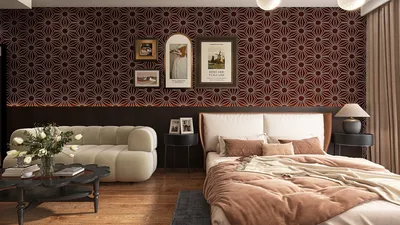


I once had a client who desired their hallway to resemble a faded movie poster — using acrylics to achieve a distressed appearance that could withstand the antics of children and a dog. I felt overwhelmed, but I quickly created a 3D mockup to bring the vision to life, and it proved successful. This experience highlighted how much personality acrylic paint can impart to a wall, especially in compact areas. Additionally, utilizing a platform like Homestyler can help visualize these concepts effectively.
Utilizing small spaces can spark significant creativity: a clever paint selection can alter perceived size, ambiance, and even spatial flow. Here, I will share five acrylic paint inspirations for walls that I frequently recommend, along with the reasons behind those choices and minor considerations to keep in mind.
1. Monochrome Texture Play
I enjoy applying a single acrylic shade with a textured approach — think thin glaze, sponge techniques, or a delicately combed effect. This method provides a cohesive look, making a small room appear intentional instead of cluttered. However, the texture may highlight surface imperfections, which is why preparation (patching, sanding, and priming) is essential. Conversely, it adds depth without chaotic colors.
save pin
2. Bold Accent Gradient
An ombré or vertical gradient on a wall swiftly becomes a captivating focal point while visually elevating the ceiling. I’ve successfully implemented this in narrow bedrooms and pantries: start with a mid-tone and blend toward a lighter or darker shade at the top or bottom. It delivers drama at a low cost but demands patience and quality blending brushes — practice on a board first to sidestep streaks.
save pin
3. Crisp Geometrics with Low-Sheen Acrylic
With painter’s tape, a laser level, and a steady hand, it’s possible to transform walls into modern art — my favorites include triangles, chevrons, and offset rectangles. Low-sheen acrylic effectively conceals flaws while maintaining sharp contrasts. Expect additional prep and touch-ups where tape meets textured plaster; still, the outcome reflects high design at a relatively low expense. If this technique is planned for a kitchen, consider pairing patterns with functional cabinetry and circulation; I often refer to kitchen layout advice when selecting a bold wall option.
save pin
4. Light-Reflecting Finishes for Small Rooms
Applying satin or semi-gloss acrylic on a single wall can bounce light around, making a small room feel more spacious. It emphasizes light sources, so caution is necessary: glossy finishes can reveal every brushstroke, but if done correctly, they act like a subtle mirror. Budget-wise, gloss paints tend to be slightly more expensive and can be trickier to apply, but they offer durable wipeability in high-traffic areas with kids and pets.
save pin
5. Mini Murals and Stencil Stories
Hand-painted mini murals or repeated stencils provide a gentle way to incorporate storytelling without overwhelming a space. I sketch small motifs designed for the wall — such as leaves, waves, or abstract shapes — and repeat them with a damp acrylic wash. The key challenge is scale: oversized motifs can dominate a room, so be sure to test samples. Ensuring the design fits within the room’s circulation and furniture layout is crucial; reviewing the overall room plan early on can prevent unnecessary repainting.
save pin
FAQ
Q1: Is acrylic paint suitable for interior walls?
I opt for acrylic in most interior applications because it dries quickly, resists yellowing, and cleans up easily with water. It comes in various finishes, from matte to gloss, allowing you to balance durability and texture based on your requirements.
Q2: How do I select the right finish for a small room?
Matte and eggshell finishes conceal imperfections and exude warmth, while satin or semi-gloss reflect light, enhancing the perception of space. Reserve gloss finishes for areas where you need wipeability or accentuated reflection.
Q3: Are acrylic paints safe for indoor use?
Opt for low-VOC or zero-VOC acrylics to enhance indoor air quality. The U.S. EPA advises that choosing low-emission products can help lower indoor pollutant levels (https://www.epa.gov/indoor-air-quality-iaq).
Q4: Can I apply acrylic paint over textured plaster?
Yes, but preparation is vital: clean, sand, and prime the surface to ensure proper adhesion and a smooth finish. Textured surfaces may show through thinner coats, so plan accordingly with adequate paint and a substantial first layer.
Q5: What tools can simplify acrylic painting?
High-quality brushes, foam rollers for flat surfaces, and reliable painter’s tape are essentials on my list. For gradients or glazes, investing in blending brushes and a dry sponge is worthwhile.
Q6: What amount of paint do I need for a feature wall?
Typically, one gallon (3.78 L) is sufficient to cover a single accent wall with two coats, though coverage can vary based on color change and texture. It's always a good idea to purchase a bit more for touch-ups, and remember to label the can with the date and room details.
Q7: Is it possible to combine paint with other wall treatments?
Certainly — acrylic pairs well with wallpaper panels, wood slats, or tile accents. Just be sure to coordinate finishes: combine matte paint with textured panels and more glossy paint where contrast or easy maintenance is desired.
Q8: How do I develop a paint concept that meshes well with my furniture and lighting?
Begin with a simple mockup and scale study, then test paint samples on the actual wall at various times throughout the day. If you need to visualize the entire room setup, using tools like Homestyler to review the room layout can help prevent unpleasant surprises once the paint is applied.
save pin
Discover the joy of home design with Homestyler! This user-friendly online platform offers an intuitive design tool, stunning 3D renderings, and a wealth of design projects and video tutorials. Whether you're a DIY enthusiast or a novice, Homestyler makes your design dreams a reality!
今すぐ无料でデザイン
































