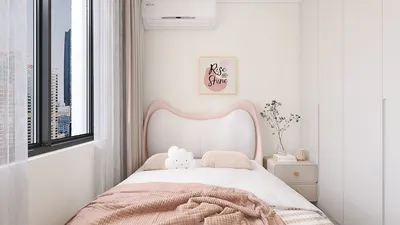


As urban spaces continue to evolve, the demand for smaller, multifunctional living arrangements emerges. Current apartments are struggling with limited storage, a lack of privacy, and noise issues. According to the AIA, there is an unwavering need for adaptable spaces, echoed by Zillow’s findings which highlight the value of flexible rooms. This is a clear message that transcends mere noise; it’s vital information. I often view a 20x20 floor plan as an early blueprint for the lifestyles of tomorrow, crafted today using spatial reasoning tools that transform limitations into opportunities. Incorporating tools like Homestyler can elevate this design process further.
In my design initiatives, I am witnessing the trend of micro-zones taking the place of conventional walls, while furniture transforms into dynamic elements much like firmware updates instead of static fixtures. The 20x20 module is not just compact; it is incredibly precise—a square that functions similarly to an operating system, tailored for future living.
Perimeter Loop Studio (All Edges Working)
Design Logic: The perimeter framework encompasses essential elements such as the kitchen, storage, and utilities, adhering closely to the walls, which allows the central area to serve multiple purposes. Future lifestyles will require input-flexible zones meant for productivity, wellness, and social interactions.
Flow: The layout progresses in a circular manner—entry to hygiene buffer, kitchen strip, living core, and sleep alcove—similar to a streamlined execution stack that allows for quick interruptions for guests.
Sightlines: Low cabinets and open shelving maintain uninterrupted diagonals; the longest diagonal frames the core, providing a peaceful focal point.
Storage: A 24-inch-deep perimeter allows for effective caching, featuring toe-kick drawers and a 9-foot tall pantry for easy access, ensuring latency-free retrieval.
Furniture Fit: A 72-inch sofa, a 30x60 drop-leaf table, and a queen-sized Murphy bed with a 64-inch clear swing ensure seamless interactions within the space, thanks to API-level tolerances that avoid collisions.
Verdict: This stable design format caters to single users and over the next five years can evolve from a solo studio into a hybrid workspace without significant changes.
Diagonal Spine One-Bed (Corner Intelligence)
Design Logic: A 45-degree spine divides the 20x20 space, guiding light and movement; future work/living patterns will benefit from these non-orthogonal clues that differentiate modes without needing walls.
Flow: The layout consists of a threshold, an angled gallery leading to the living node, a bedroom behind an acoustic screen, followed by a bath and kitchen; akin to data packets traveling through a prioritized lane.
Sightlines: The oblique axis enhances the perception of depth, guiding the observer's eye from the entry point to the far window corner while revealing UI layers sequentially.
Storage: Closets align along the spine, complemented by a shallow 14-inch book cache and bed-base drawers; the capacity mirrors tiered memory systems.
Furniture Fit: Ensuring 36-inch circulation on the spine side and 30-inch on the service side, alongside an 84-inch media wall and a 40-inch round table, keeps the flow smooth and unrestricted.
Verdict: This design suits couples or focused individuals and can adapt over five years, with the angled gallery accommodating AR workstations without impacting the living environment.
Split-Core Flex (Two Nodes, One Square)
Design Logic: The square is divided by a translucent core, combining services and storage to create two programmable halves—one for daytime activities and another for rest. Designing for the future requires a reversible approach.
Flow: The entry leads to a utility core housing the laundry and closet, from which occupants can choose to navigate left to the day zone or right to the sleep zone; this branching logic ensures clear returns to the entry.
Sightlines: The core allows light to diffuse and softens edges while partial reveals offer gradual disclosures, keeping visual distractions minimal.
Storage: A 10-foot run of 24-inch closets, overhead bins, and hidden charging niches ensure organized spaces with a designated seasonal cache up top—clarity as a guiding protocol.
Furniture Fit: An 8x10 rug serves as an anchor in the day zone, complemented by a 30x72 desk facing the core, with a full or queen platform bed ensuring 30-inch clearances on both sides without any API conflicts.
Verdict: Ideal for remote working; over five years, the two halves can interchange functions as one’s lifestyle shifts between focus and hosting.
Final Takeaway
The 20x20 floor plan represents more than just a compact space; it serves as a meticulously designed interface where circulation, storage, and lighting work together to shape daily habits. Variants such as studio layouts and micro one-bedroom designs illustrate how thoughtful configurations can expand purpose without increasing square footage. Strategies like perimeter programming and split-core modules effectively future-proof daily lifestyles with minimal adjustments. From my perspective, the most intelligent homes of the future will not necessarily be larger; instead, they will be designed with greater intentionality, much like what tools such as Homestyler aim to achieve.
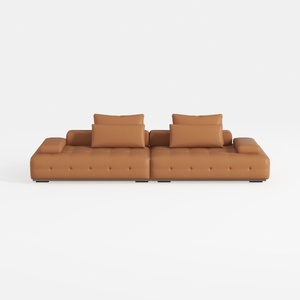

Modern Tufted Leather Oversized Sectional Sofa 3D Model

Minimalist Solid Wood Linen Fabric Three Seat Sofa 3D Model

Minimalist Solid Wood Writing Desk with Hutch Storage 3D Model
Looking to transform your space? Homestyler is your go-to online design tool! With stunning 3D renderings, a diverse collection of design projects, and easy-to-follow video tutorials, you'll effortlessly bring your home design dreams to life—perfect for both novices and pros alike!
Zaprojektuj teraz za darmo
































