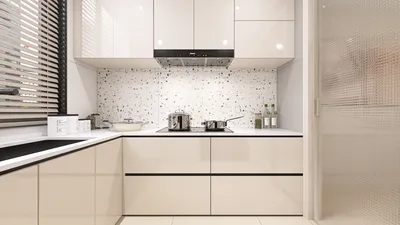


A while back, I almost persuaded a client to purchase a stove that was reminiscent of a small car, simply because it 'felt warm'—thankfully, I managed to halt the delivery in time and realized how small spaces can inspire better design decisions. During that particular project, I referred to a renovation example which aided in visualizing the stove placement prior to making any floor cuts, thus saving significant time and eliminating guesswork. Indeed, small spaces foster immense creativity, and here are five design strategies I’ve successfully implemented for families I’ve worked with, utilizing the Homestyler visualization tool.
1. Opt for a stove that fits and think vertically
For compact areas, I tend to favor tall, narrow stoves—these models provide exceptional burn time while optimizing floor space for better movement. Although this requires slightly elevated piping and mindful consideration of clearances, a vertical stove often evolves into a striking focal point in the room.
save pin
2. Create a multi-functional hearth
Transform the hearth into both storage and seating: a bench with integrated wood storage or a shallow log compartment beneath a seating ledge enhances functionality. It adds charm and practicality, though it’s crucial to balance visual appeal with ease of access for ash disposal.
save pin
3. Utilize thermal mass and reflective surfaces to enhance heat distribution
Using materials like stone, brick, or tile behind the stove can retain and radiate heat long after the fire has extinguished, which is particularly beneficial in smaller homes where every BTU is valuable. I sometimes incorporate a slim metal reflector panel to redirect heat back into the living spaces; though, this requires careful installation to adhere to clearance regulations. For an example of spatial planning, I’ve shared a compact layout using Homestyler that helped me assess heat distribution prior to the installation.
save pin
4. Emphasize safety with strategic zoning
Limited space leaves little room for error, which is why I ensure to plan out clearances, non-combustible floor coverings, and detector placements from the start. This preliminary work may involve additional documentation and sometimes increase the budget, yet it significantly minimizes costly revisions and ensures the safety of families.
save pin
5. Harmonize the stove with materials and color schemes
Painting the flue in a complementary or contrasting color, using a sleek mantle, or extending tile patterns vertically can create a seamless visual flow that makes the stove feel like an intentional part of the design rather than an afterthought. However, it's important to be cautious as strong design choices may quickly date the space; therefore, I strive for enduring finishes with one standout feature.
save pin
Tips:
Whenever feasible, create a mock footprint of the stove using kraft paper and a temporary pipe to interact with the space for a few days. It’s an economical, quick method that often reveals circulation issues that might not be apparent in plans.
save pin
FAQ
Q1: Is it feasible to install a wood stove in a very compact living area?
Absolutely, many compact stoves are engineered for small environments. You’ll need to adhere to manufacturer clearance recommendations and local regulations while also planning for proper ventilation and floor protection.
Q2: What is the recommended distance for a stove from furniture?
Follow the manufacturer’s specified clearances—commonly from 36 inches away from combustible seating, although some stoves allow for reduced clearances with shields. Always consult your stove’s manual and an inspector to ensure compliance.
Q3: Do I need a specialized floor base for installation?
Yes, usually a non-combustible hearth protective surface is required beneath and surrounding the stove. Options vary from tile to thin steel, depending on local codes and stove specifications.
Q4: How can I effectively manage smoke and ventilation in a compact home?
Ensuring proper chimney sizing, maintaining a strong draft, and performing regular chimney cleanings are critical. In tighter spaces, consider stoves designed for controlled combustion and ensure there’s a sufficient supply of fresh air to prevent back-drafting.
Q5: Could a wood stove potentially overheat a small area?
It may if the stove is oversized; that's why selecting the right size is essential. Choose a stove that matches the approximate volume of the room and utilize dampers or intermittent firing techniques to manage the heat output.
Q6: Are there any grants or safety regulations I should be aware of?
Many areas offer rebate programs for certified low-emission stoves, and it’s important to adhere to national safety standards; check with your local energy authority for details on incentives and compliance.
Q7: Where can I find reliable information on wood burning?
The U.S. Environmental Protection Agency offers clear guidelines on wood-burning practices and stove emissions, accessible at https://www.epa.gov/burnwise/wood-burning-home. This is a great starting point for understanding health and environmental best practices.
Q8: Is it possible to integrate the stove into an open-plan kitchen?
Definitely—a stove can serve as a warm focal point between different areas, but careful consideration of sight lines, splash protection, and necessary clearances from kitchen combustibles is crucial. During one project, I reviewed a kitchen layout using Homestyler that effectively balanced cooking and heating needs, providing clarity on circulation and heat flow.
save pin
Homestyler is your go-to online home design platform, perfect for turning your ideas into reality. With its user-friendly design tool, stunning 3D renderings, and a wealth of design projects and video tutorials, you can effortlessly create your dream space—no experience needed!
Design Now for FREE
































