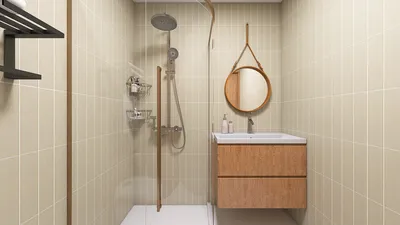


I once took on the challenge of transforming a compact bathroom into a spa-like retreat for a client, and almost made a critical mistake with the grout color. This experience highlighted the transformative power of pairing white and grey tiles effectively. In smaller spaces, creativity is essential; although the color palette may be straightforward, the design possibilities are virtually limitless. In this article, I’ll share five innovative bathroom tile concepts incorporating white and grey tiles, derived from my real-world projects, along with practical insights gained from my extensive experience in clinical and client settings.
1. Timeless subway tiles combined with a grey herringbone floor
Using classic white subway tiles on the walls provides a bright and clean appearance, while a grey herringbone floor introduces texture and visual movement. This combination worked wonders in a tiny rental bathroom, creating an illusion of heightened ceilings and minimizing visible errors. The benefit lies in its enduring charm and ease of sourcing; however, a slight drawback is the upkeep of grout: opting for a mid-grey grout can effectively conceal dirt while maintaining a fresh look.
save pin
2. Expansive grey tiles alongside a glossy white accent wall
By utilizing large-format matte grey tiles for the floors and one or two walls, a calming, spa-like atmosphere is established. Complement this with a glossy white accent wall behind a vanity or shower to enhance light reflection. I recommend using durable porcelain large tiles to minimize grout lines. One challenge to note is that large tiles require precise leveling, so it’s wise to allocate a bit more budget for the installation process.
save pin
3. White tiles with delicate grey veining resembling marble
To achieve the luxurious look of Carrara marble without the hefty price tag, select engineered porcelain tiles featuring a white backdrop with gentle grey veins. I utilized this design in a mid-century condo, yielding exceptional results that delighted my clients with a high-end aesthetic and minimal maintenance. To counterbalance the cold appearance often associated with such tiles, incorporating warm wood or brass fixtures brings a cozy vibe.
save pin
4. Grey hexagon tiles paired with white geometric wall niches
Employing hexagonal tiles in various shades of grey for the flooring not only adds elegance but also creates a playful foundation. White geometric niches in the shower enhance storage solutions while adding visual appeal. I once addressed a storage dilemma in a family bathroom with this very approach. Although these tiles adapt well in small spaces, be prepared for intricate tile cuts and assembly which can be time-intensive.
save pin
5. Combining matte dark grey with elongated glossy white tiles
Creating a striking contrast between matte dark grey floor tiles and elongated glossy white wall tiles results in a modern, graphic aesthetic. This pairing is particularly appealing for contemporary residences — offering a sharp and dramatic atmosphere while remaining surprisingly comfortable when complemented with soft textiles. One downside is that the pronounced contrast makes splashes more apparent; hence, it’s advisable to choose practical textiles and finishes for areas like the sink.
save pin
Tip 1:
Budget wise: allocate about 10-20% of your tile budget for skilled labor dedicated to cutting and grout finishing, as these aspects truly define the overall look. For planning and visualizing layouts before making a purchase, using a 3D room planner like Homestyler proves invaluable for experimenting with tile sizes and grout colors.
save pin
FAQ
Q: What is the ideal grout color for white and grey tiles?
A: A mid-grey grout is a reliable option: it conceals dirt better than stark white and avoids the harsh lines that dark charcoal grout can create. For marble-look tiles, align the grout with the lightest vein for a seamless appearance.
Q: Are white tiles more challenging to maintain?
A: While pure white grout and unglazed tiles are more prone to showing stains, glazed white wall tiles offer lower maintenance. Applying a sealer on porous surfaces and selecting grout with stain resistance can enhance durability.
Q: Is it acceptable to mix different tile sizes in a bathroom?
A: Absolutely — combining large-format floor tiles with smaller wall tiles promotes balance. Just maintain a cohesive color scheme and be mindful of grout line proportions to ensure harmony in the design.
Q: What tile finish is recommended for bathroom flooring?
A: For better slip resistance, opt for textured or matte finishes. Although polished tiles can look stunning, they may be slippery when wet; consider using textured porcelain as a safe alternative.
Q: How can I make a compact bathroom appear larger using tiles?
A: To create the illusion of space, employ larger tiles with minimal grout lines and lay subway tiles vertically or extend wall tiles all the way to the ceiling. Effective lighting and mirrored surfaces also contribute significantly to a more spacious feel.
Q: Are marble-look porcelain tiles equally durable as real marble?
A: Generally, porcelain is more resistant to stains and scratches compared to natural marble, along with requiring less upkeep, making it a more sensible choice.
Q: Where can I experiment with tile layouts in 3D prior to purchasing?
A: You can utilize a 3D floor planner, such as Homestyler, to visualize tile sizes, designs, and grout colors in a virtual bathroom setting.
Q: Is there a reliable source for tile maintenance information?
A: The Tile Council of North America (TCNA) offers comprehensive installation and maintenance guidelines, available at https://www.tcnatile.com/standards.
save pin
Discover the ease of home design with Homestyler! This user-friendly platform offers a powerful online design tool, stunning 3D renderings, and a wealth of DIY video tutorials. Whether you're a beginner or an experienced designer, bring your vision to life effortlessly!
Design Now for FREE
































