

In my experience, I once placed a floating shelf too close to a wall sconce, which caused the light bulb to melt the wood's edge—a mishap that my family still jokes about during dinner gatherings. After more than a decade of designing compact homes, I've learned a crucial lesson: the integration of lighting and shelving is essential. Small spaces are filled with opportunities for creativity, and I’m excited to share five practical strategies that I’ve successfully employed in projects to make these tiny areas feel both stylish and spacious.
1. Streamlined Floating Shelf with Integrated Sconce
I enjoy combining a streamlined floating shelf with a sleek sconce positioned just above. This design offers clear benefits: the shelf accommodates everyday items, while the light adds a warm and inviting atmosphere. It's particularly effective near entryways or beside beds. The key challenge lies in the wiring—either opt for neatly surface-mounted cords or plan for in-wall wiring to maintain a clean look. In a recent studio project, this solution maximized floor space whilst infusing a boutique-hotel ambiance.
save pin
2. Recessed Niche Shelf with LED Strip Lighting
Crafting a shallow recessed niche illuminated by an LED strip light makes for a clean solution, especially in hallways or bathroom walls. This type of lighting accentuates displayed objects without creating glare, and the shelf doesn’t intrude into walking paths. It’s an economical and low-maintenance choice, although it's wise to monitor humidity levels in moist areas. I applied this technique to transform a narrow hallway, giving it a purposeful feel rather than a cluttered look.
save pin
3. Adjustable Arm Wall Lamp Over a Work Shelf
In compact home offices, an adjustable arm wall lamp mounted above a narrow work shelf provides focused task lighting that can be repositioned or folded back when it’s not in use. This design provides versatility—perfect for reading, writing, or video calls with targeted light. However, ensure that the bracket is securely attached and that the lamp's design complements the shelf’s scale. I recommended this setup to a freelance client who appreciated its ergonomic benefits and minimal footprint.
save pin
4. Shelving Ladder with Built-in Reading Light
A slim shelving ladder leaning against a wall, paired with a clamp-on or integrated reading light, merges storage and illumination into one visually appealing piece. It’s ideal for limited living or bedroom spaces. The ladder's design fits seamlessly with layered aesthetics, although it’s important to prioritize stability and avoid overloading it with heavy items. In one apartment I staged, this idea became a captivating focal point while promoting better organization.
save pin
5. Mirror Shelf with Backlit Wall Light
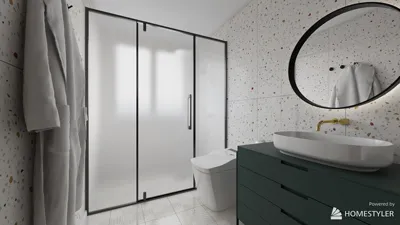
Combining a narrow mirror shelf with a backlit wall light offers dual functionality: the mirror increases the perceived space while the light casts a soft, inviting glow. This arrangement is perfect for entryways and powder rooms—ideal for quick checks before heading out. While installation may require some technical skill concerning electrical placement, the final effect is effortlessly elegant. I often suggest using dimmable LEDs for adjustable mood lighting.
If you’re interested in experimenting with layout ideas and seeing how these combinations might work in your space, I recommend utilizing a user-friendly room planner like Homestyler to draft quick plans during client consultations.
save pin
Tips 1:
On a budget? Choose LED fixtures and plug-in lamps for easier setup; reserve hardwiring for those essential fixed points. For practical purposes, keep shelving depth under 8–10cm to ensure walkways remain accessible. For aesthetics, consider mixing textures—such as metal lights with wooden shelves—for a modern yet warm vibe.
save pin
FAQ
Q: What types of wall lights pair best with floating shelves? A: Low-profile sconces and adjustable-arm lamps are the ideal choices as they won’t obstruct shelf access. Opt for warm LED bulbs to create a cozy environment.
Q: What is the ideal distance between a wall light and a shelf? A: Aim for at least 15–20 cm of vertical space to prevent heat transfer and facilitate object placement; with LED lights, you have more leeway due to their lower heat output.
Q: Am I able to install a light above a shelf on my own? A: You can do so for plug-in lights, but for in-wall hardwiring, it’s best left to a licensed electrician to ensure compliance with safety standards.
Q: Are backlit mirrors safe in bathrooms? A: Yes, as long as they have an IP rating suitable for damp areas; check the fixture’s IP rating and abide by local electrical codes.
Q: How can I prevent a shelf-light combination from appearing cluttered? A: Keep shelf contents to about 3–5 curated items and use cohesive colors or materials to unify the display.
Q: Do LED strips installed behind niches require transformers? A: Many low-voltage LED strips will need a compatible transformer/driver; always follow the manufacturer’s installation specifications.
Q: Where can I quickly visualize various shelf and light arrangements? A: You can experiment with different layouts using a 3D room planning tool like Homestyler to assess scale and lighting effects before making final purchases.
Q: Are there recognized guidelines for installing lighting? A: Yes, it’s important to reference your local electrical code; in the United States, the National Electrical Code (NEC) offers specific regulations regarding wiring and fixture installation (see NEC resources for details).
save pin
Discover the joy of home design with Homestyler! This user-friendly platform offers a powerful online design tool, stunning 3D renderings, and a wealth of inspiring design projects. Plus, you'll find helpful DIY video tutorials to guide you every step of the way. Transform your space today!
Desain sekarang Gratis
































