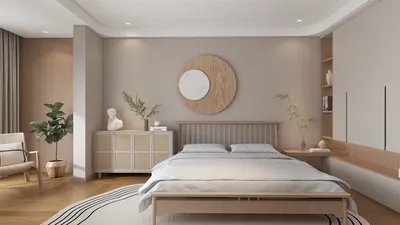


Once, a client expressed their desire for a living room that felt like a 'sunny cloud.' To meet this request, I designed a couch that oddly resembled a weather forecast. This little misadventure highlighted for me how essential color balance is to transform disorder into a cozy atmosphere. Particularly in small areas, playful yet regulated use of colors pays off: gray serves as a grounding element, yellow injects life, and blue instills a sense of tranquility. In this article, I will share five innovative methods for blending gray, yellow, and blue in your living room, drawn from actual projects I've managed, and how using tools like Homestyler can enhance your experience.
1. Gray Foundation, Blue Highlights, Yellow Accents
I frequently begin with a neutral gray for walls or a large sectional sofa, creating a sense of cohesion within the room. I then introduce blue through a rug or curtains to add depth, followed by yellow in small accessories—such as cushions, a lamp, or a single piece of art—to ensure the brightness doesn't overwhelm the space. This approach offers versatility; you can change yellow accents with the seasons. However, a crucial consideration is to ensure the blue shade is rich enough to stand out against the gray; too light a blue may fade into the background.
save pin
2. Warm Yellow Lighting with Cozy Deep Blue
For an inviting, evening-oriented living room, I opt for a feature wall painted in a deep blue and incorporate warm yellow lighting, such as table lamps or LED strips, to create a soft golden glow. Gray furniture maintains a sophisticated palette while the warm yellow light counters any chill in the space. This scheme is perfect for movie nights, though careful positioning of lamps is essential to avoid glare or hot spots.
save pin
3. Scandinavian Minimalism: Soft Gray, Gentle Blue, Subdued Yellow
I appreciate the simplicity of Scandinavian design for compact spaces: light gray walls, a soft blue armchair, and muted mustard cushions create an elegant look. The addition of natural wood tones and clean lines fosters an airy, timeless feel, but to prevent it from appearing flat, it’s important to introduce texture—like a knitted throw or a woven rug. For quick spatial planning, I sometimes direct clients to an intuitive 3D tool like Homestyler to visualize layouts before making major purchases.
save pin
4. Utilize Patterns: Geometric Rugs and Varied Textiles
Patterns seamlessly connect different colors. A geometric rug that features gray, yellow, and blue can tie together furnishings and accessories harmoniously. Incorporating throw pillows with diverse pattern scales keeps things lively, yet careful consideration is necessary to prevent chaos. The benefit of this approach is a quick infusion of personality, although it may lead to visual clutter if too many patterns are introduced. Utilizing a reliable floor plan creator ensures precise rug sizing and placement, helping me avoid awkward overlaps during renovations.
save pin
5. Defining Spaces: Use Color for Segmentation
In open-concept or narrow living rooms, I apply color zoning: gray for the main seating area, blue to create an inviting reading nook, and yellow to accentuate a console or entry bench. This method tricks the eye into perceiving distinct areas without the need for physical dividers. It’s budget-conscious and adaptable, though maintaining a consistent undertone across the shades of gray and blue is vital so that the palette appears intentional rather than patchy. When visualizing zoning in 3D for my clients, tools like Homestyler and room mockups provide invaluable assistance.
save pin
FAQ
How can I select the right shade of gray that pairs well with blue and yellow? Opt for a gray that possesses a warm or cool undertone, complementing the blue you choose. Warm grays pair beautifully with muted yellows, while cool grays harmonize well with crisp blues.
Does yellow create the illusion of a smaller space? When used judiciously as accents, bright yellow can provide a cozy ambiance without shrinking a small room; it's best to avoid painting all walls yellow in confined areas.
Is it possible to incorporate multiple blues and yellows? Absolutely, but it’s best to keep one shade dominant and use others as secondary shades to maintain an uncluttered appearance.
What textures complement this color scheme? Natural wood finishes, boucle fabrics, and woven rugs add warmth and help prevent the palette from feeling flat.
Is this palette versatile enough for both modern and traditional interiors? Certainly—just adjust the lines of furniture and accessories: sleek designs for modern aesthetics, softer shapes and tufted elements for traditional styles.
How can I experiment with color combinations before finalizing? Use paint swatches and small fabric samples for testing; also examine them in different lighting throughout the day. For accurate layout and visualization, 3D design tools provide reliable previews that can be invaluable (consider professional case studies).
Are there accessibility considerations with yellow and blue combinations? A strong contrast between blue and yellow can enhance readability for signage or labels; just ensure the contrast isn’t overly jarring for extended viewing. For guidance on accessible color contrast, refer to the Web Content Accessibility Guidelines (WCAG) 2.1 for color contrast recommendations (W3C).
What budget should I plan for when refreshing my color scheme? Minor updates, like throw cushions and lamps, can be achieved within a modest budget; however, full repainting and new upholstery will raise costs—set priorities and consider refreshing in stages.
save pin
Discover the magic of home design with Homestyler! This user-friendly platform features an online design tool, stunning 3D renderings, and a wealth of design projects and DIY video tutorials. Bring your vision to life, whether you're a beginner or a seasoned designer!
立即免费设计
































