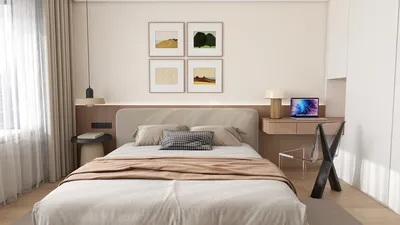


I once encouraged a client to cover an entire living room wall with penny-round tiles, only to discover that their cat adored them and frequently napped against the grout lines. This little incident demonstrated that wall tiles can be both whimsical and functional, with small living rooms serving as excellent spaces for innovative concepts. Compact areas compel you to be resourceful, and I will share five tile inspirations that can transform a small living room into a remarkable space using Homestyler for visualization.
1. Vertical subway tiles to enhance the ceiling height
Installing subway tiles in a vertical fashion is a clever trick I apply when low ceilings are a concern; the upward lines naturally draw the eye higher, creating an illusion of space. This technique is cost-effective, modern, and works well with narrow floating shelves. However, be mindful of grout maintenance—opting for darker grout can be a practical choice for bustling families.
save pin
2. A singular tiled accent wall with varied textures
Select one wall and combine a matte base tile with glossy patterned inserts to achieve depth without overwhelming the area. I implemented this in a 28 sqm apartment: the focal wall emanated luxury while the surrounding walls remained neutral. Although budget-friendly, meticulous planning of the layout is essential to prevent visual chaos.
save pin
3. Large-format tiles for a unified appearance
Using large tiles results in fewer grout lines, effectively visually expanding small living rooms while simplifying cleaning—ideal for busy households. These tiles can be more expensive and weigh more, so it's crucial to conduct structural evaluations and employ a skilled installer. In a recent renovation, large porcelain slabs provided an elegant, cohesive backdrop behind the TV.
save pin
4. Framed tiled panel with intricate designs
Conceive a framed tiled panel—similar to a piece of artwork—situated behind a sofa or console. This design introduces character while allowing the rest of the room to remain pattern-free. I once utilized a Moroccan-inspired design as a central feature; it had the allure of a bespoke mural. The only challenge is ensuring the scale is appropriate: overly small patterns can easily get overlooked in the space.
save pin
5. Textured 3D tiles for understated elegance
3D tiles introduce shadows and tactile appeal, making them perfect for minimalist spaces that need a focal point. They are particularly effective in dampening acoustics on a TV wall, but keep in mind that 3D tiles tend to gather dust and may present cleaning challenges compared to flat surfaces.
save pin
Tips 1:
Budget suggestion: pair economical field tiles with a few high-end accents. For practicality, lean towards darker grout colors in areas prone to stains. If you're looking to play with layouts before making a final decision, consider using an online planner to simulate tile arrangements and wall finishes; I frequently suggest utilizing a room planner early on in the design process, particularly with Homestyler.
save pin
FAQ
Q: Are wall tiles appropriate for every living room style?
A: Certainly—tiles can be customized to fit contemporary, industrial, bohemian, or classic designs by selecting the right colors, finishes, and styles accordingly.
Q: What tile dimensions are best suited for a small living room?
A: Larger format tiles or vertically arranged subway tiles help create an impression of spaciousness by reducing visible grout lines and elongating walls.
Q: How can I maintain grout in a living room?
A: Seal grout post-installation and use a mild cleaner; opting for darker grout hues can help conceal stains.
Q: Do tiles contribute to sound insulation?
A: Textured tiles and backed panels can offer slight sound dampening, but for effective acoustics, consider adding soft furnishings or dedicated acoustic panels.
Q: Is tiling a living room wall financially burdensome?
A: Costs vary—large-format porcelain is typically more expensive, while ceramic subway tiles are more economical; labor and preparation of the substrate also alter the total cost.
Q: How do I select a focal wall for tiling?
A: Choose a wall situated behind the sofa, TV, or entryway—essentially where the tiling can serve as the room's visual centerpiece.
Q: Is it feasible to combine tiles and paint on the same wall?
A: Absolutely. Numerous projects I've carried out integrate a tiled section with painted areas to maintain warmth and texture without overwhelming the room.
Q: Where can I locate best practice guidelines for surface finishes?
A: For reliable advice on tile and surface longevity, refer to the Tile Council of North America (TCNA) standards (https://www.tcnatile.com) which offer industry-recognized recommendations.
save pin
Homestyler is your go-to online home design platform! With its user-friendly design tool, stunning 3D renderings, and a wealth of DIY video tutorials, you can effortlessly create and visualize your dream spaces, making interior design fun and accessible for everyone.
Design Now for FREE
































