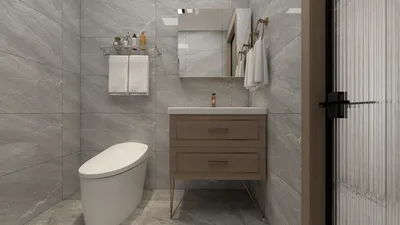


Once, while working for a client, I hung a pair of vintage wall sconces upside down in their hallway. They loved the aesthetic, but the bulbs spilled light onto their new runner until I resolved the issue at midnight. Such little mishaps have taught me an important lesson: even minor lighting decisions can create a significant impact. This is particularly true in compact spaces, which especially benefit from innovative wall sconce lighting. Here, I’ll share five effective strategies I’ve implemented in kitchens, bathrooms, and cozy nooks using the Homestyler design tool.
1. Sconces flanking mirrors in the bathroom for shadow-less illumination
I frequently install two sconces on either side of the vanity mirror, positioned at eye level. This arrangement produces even, flattering light ideal for shaving and applying makeup while eliminating harsh overhead shadows. The advantages include improved lighting and a luxurious, hotel-like atmosphere; however, the challenge lies in precise mounting, and you may need an electrician to conceal wiring. For budget-friendly alternatives, consider plug-in sconces or stylish surface-mounted conduits for an industrial vibe.
save pin
2. Swing-arm reading sconces beside a bed or sofa
When a client aimed to conserve floor space, I suggested installing swing-arm sconces above the nightstand, allowing for reading without the bulk of a lamp base. They can easily swing back when not in use, providing targeted light for various tasks. The benefits include space-saving design and adaptable lighting; the challenge is ensuring the swing arm’s reach aligns appropriately with the seating area, and using a dimmable bulb can enhance the mood.
save pin
3. Accent sconces to showcase artwork and textures
Accent wall sconces can beautifully highlight textured plaster, wallpaper, or framed artworks. I once added slim uplight sconces to a small dining nook, and it immediately transformed the space into something gallery-like. This is a cost-effective way to introduce drama; however, it is essential to test the light beam to prevent glare on reflective artwork. If you're looking to visualize your placements beforehand, utilizing room visualizations with Homestyler can help you preview light direction and scale.
save pin
4. Layering sconces in narrow hallways
Hallways can often feel constricted, but utilizing low-profile sconces spaced regularly can introduce a rhythmic warmth. I typically install them about 6-8 feet apart and 5-6 feet high for optimal light distribution. This strategy not only frees up floor space but also enhances safety. Remember to coordinate the finishes with the door hardware to create a cohesive look. On a budget? Consider LED sconce strips that provide continuous lighting without needing multiple fixtures.
save pin
5. Task-oriented sconces in the kitchen and over counters
Instead of solely depending on under-cabinet lighting, consider placing small directional sconces above preparation areas or open counters. These fixtures add distinctive character while delivering essential task lighting. The advantages include focused illumination and an attractive design element; however, be cautious to ensure that cabinet doors remain accessible and maintain proper clearance from backsplash surfaces. If you want to experiment with placements before making permanent decisions, utilizing a free online floor plan tool can help visualize spacing and proportions.
save pin
FAQ
Q1: What is the ideal height for mounting wall sconces?
A1: Wall sconces are generally mounted 60–66 inches above the floor to the center of the fixture for ambient lighting, particularly at eye level next to mirrors. Adjust these heights slightly according to the ceiling height and the size of the fixture.
Q2: Are there both hardwired and plug-in options for wall sconces?
A2: Yes, many sconces are available in both hardwired and plug-in models. Hardwired installations offer a neater appearance, while plug-in designs are more convenient for renters or DIY settings.
Q3: What type of bulbs work best for wall sconces?
A3: LED bulbs are an energy-efficient choice, available in both warm and cool hues. Opt for bulbs with a color rendering index (CRI) above 90 for precise color accuracy, especially in kitchens and bathrooms.
Q4: How can I minimize glare from sconces?
A4: To reduce glare, choose fixtures that incorporate diffusers or indirect uplighting and select lower lumen outputs for ambient applications. Dimmable drivers can also help manage brightness levels effectively.
Q5: Are wall sconces a good fit for compact spaces?
A5: Absolutely — sconces are excellent for freeing up table and floor space while providing layered lighting. In smaller areas, they serve as both a light source and a decorative element.
Q6: How should I space sconces in a hallway?
A6: Sconces should be spaced approximately 6–8 feet apart; adjust according to the hallway length. Shorter corridors might require only one or two to achieve an even illumination.
Q7: Can wall sconces be used outdoors?
A7: Yes, use fixtures that are rated for outdoor use (either wet- or damp-rated) and comply with local electrical codes to ensure both safety and longevity.
Q8: Where can I test sconce placement virtually?
A8: You can explore fixture scale and placement options using a free online floor planner; Homestyler’s floor plan creator offers precise room mockups to help you plan lighting layouts effectively.
save pin
Looking to transform your home? Homestyler offers an amazing online design tool that lets you create stunning 3D renderings of your space. With countless design projects and helpful DIY video tutorials, you can easily explore and implement your dream home ideas—no experience needed!
Zaprojektuj teraz za darmo
































