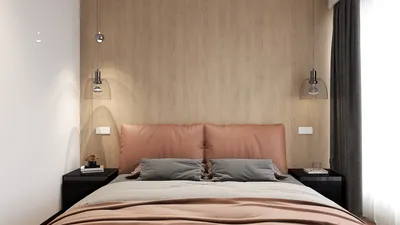


With over a decade of experience in interior design, I've observed a significant trend in living rooms — the resurgence of high or vaulted ceilings, which unlock a plethora of imaginative wall design opportunities. While compact spaces can ignite large ideas, expansive architectural features like vaulted ceilings can also inspire creativity. In this article, I will share ten innovative wall decoration ideas for living rooms with vaulted ceilings that I've personally implemented in various projects, combining my individual experiences with insight from the experts.
1. Striking Artwork for Vertical Emphasis
My Experience: In a downtown loft project, I installed a massive abstract canvas on a 15-foot vaulted wall, anchoring the space immediately. The scale complemented the height without overpowering it.
Advantages: Large artwork attracts the eye upwards, enhancing the room’s proportions and accentuating the lofty ceiling. According to Architectural Digest, oversized art in such elevated spaces generates a curated ‘gallery effect’.
Disadvantages: High walls necessitate ladders or professional installation, and finding the perfect artwork size can be an investment.
Suggestion: Consider commissioning a local artist to cater unique dimensions that perfectly suit your vaulted wall — this not only supports local artists but also ensures a distinctive piece.
2. Tall Bookshelves from Floor to Ceiling
My Experience: In projects for book lovers, I've often utilized floor-to-ceiling shelving—one farmhouse renovation featured a full-height library wall that became the living space’s focal point, complete with a charming rolling ladder.
Advantages: This approach maximizes vertical storage and transforms your walls into functional design elements, merging books, art, and curated displays beautifully.
Disadvantages: It typically requires custom carpentry for optimal results; repainting or redesigning can be complicated.
Suggestion: Combine closed cabinetry on the lower levels for discreet storage with open shelves on top for showcasing items — this balances visual weight effectively. For inspiration, consider minimalist shelving designs I've curated previously.
3. Bold Accent Paint or Wallpaper
My Experience: I often use deep navy paint on vaulted walls to create a cocoon-like environment despite the height. Occasionally, I choose large geometric wallpaper that adds dramatic impact.
Advantages: Vivid colors or striking patterns foster warmth and intimacy within larger spaces, helping unify awkward angles and bring character to a living room surrounded by vaulted ceilings.
Disadvantages: Covering significant heights can be challenging and labor-intensive; bold patterns may become outdated faster than neutrals.
Suggestion: Utilize strategic paint finishes — matte absorbs light for a refined finish, while satin reflects it and enhances textures.
4. Vertical Wood Paneling
My Experience: Wood paneling isn’t confined to rustic cabins — I’ve successfully installed vertical white oak slats in modern living spaces, yielding both warmth and visual interest.
Advantages: It contributes texture, infusing warmth into the space; vertical lines accentuate height, while horizontal arrangements can create a cozier atmosphere. As Houzz reports, wood textures will remain a top trend in 2024.
Disadvantages: Authentic wood paneling can be expensive; installation demands precision to avoid gaps.
Suggestion: For a more cost-effective option, consider high-quality wood veneer panels or peel-and-stick wood planks for an easy weekend project.
5. Layered Lighting Designs
My Experience: In a recent remodel, we hung a stunning chandelier with cascading glass globes at different heights, enhancing the vertical expanse beautifully.
Advantages: This fills the visual void present in high spaces; it creates focal points and contributes essential lighting, making vaulted areas feel more inviting.
Disadvantages: Careful planning of wiring is necessary; larger fixtures can demand a higher budget and sometimes feel overwhelming.
Suggestion: Pair striking statement pieces with wall sconces to ensure an even distribution of light throughout the tall wall.
6. Gallery Walls with Varied Frames
My Experience: For a coastal-themed living room, I designed a gallery wall that extended to the apex of the sloped ceiling, employing a mix of wood, metal, and painted frames for added texture.
Advantages: This approach allows flexibility — you can begin small and expand over time; it permits personalized touches with family photos and travel mementoes.
Disadvantages: A lack of planning can lead to chaos; arranging across vaulted surfaces can be trickier.
Suggestion: Experiment with laying out your frames on the floor beforehand to perfect your arrangement; maintain a balanced color palette for harmony.
7. Large Mirrors
My Experience: One of my favorite tricks involves leaning an oversized vintage mirror against a vaulted wall to reflect its angle — instantly showcasing the architectural beauty.
Advantages: Mirrors amplify light, brightening up the living room; substantial pieces can enhance the feeling of space.
Disadvantages: Heavy and cumbersome to reposition; placement must consider glare from windows.
Suggestion: If feasible, angle mirrors to reflect appealing features like a fireplace or artwork for a more dynamic effect.
8. Integrated Niches and Display Alcoves
My Experience: In a high-end condominium, we incorporated tall recessed niches with internal lighting to showcase sculptures artfully. The varying heights harmonized beautifully with the vaulted ceilings.
Advantages: These provide focal points without adding visual clutter; built-in lighting can produce striking effects at night.
Disadvantages: Wall modifications are required; this isn’t a quick DIY and may restrict future furniture positioning.
Suggestion: Paint niche interiors a contrasting color to make displayed objects stand out. For layout inspiration, refer to examples of open-plan living featuring display niches.
9. Exposed Beams and Trusses
My Experience: I once renovated an old barn, preserving the original wooden trusses — this element dramatically added character and history to the space.
Advantages: This adds architectural charm, working beautifully with rustic, industrial, or farmhouse styles; ensures the eye is drawn upwards.
Disadvantages: This feature might not be feasible in modern constructions; overly dense wood can make a room feel darker.
Suggestion: Consider painting beams in lighter shades for an airy look or stain them for additional warmth.
10. Mixed-Material Feature Walls
My Experience: In one project, I fused stone veneer, timber panels, and plaster on a single vaulted wall to create an engaging, layered effect.
Advantages: This approach introduces depth and visual intrigue; allows exploration of both color and texture. Elle Decor highlights the increasing popularity of mixed materials for statement walls.
Disadvantages: Requires a designer’s touch to prevent visual chaos; material transitions may become challenging to update in the future.
Suggestion: Test small samples on-site before making commitments. Tools like Homestyler can help visualize final combinations prior to implementation.
Final Thoughts: Living rooms with vaulted ceilings invite clever design strategies rather than presenting obstacles. Regardless of whether your style leans minimalistic, rustic, or bold, these suggestions illustrate how tall walls can be both advantageous and aesthetically pleasing. As emphasized by the American Society of Interior Designers, proportion and scale are vital in rendering dramatic spaces feel complete. Which of these vaulted wall decoration ideas will you implement first?
Frequently Asked Questions
1. What colors work best for vaulted living room walls?
Neutral hues like soft gray, beige, or warm white promote openness, while vibrant tones foster a cozy atmosphere.
2. How can I fill the emptiness of a vaulted ceiling?
Implementing layered lighting, large artwork, or tall shelving units can visually occupy vertical space without creating clutter.
3. Is adding beams to a living room vaulted ceiling feasible?
Yes, if structurally sound. Decorative faux beams are also available and easier to install.
4. Can wallpaper be suitable for vaulted ceilings?
Absolutely — just make sure to use proper scaffolding or hire professionals. Large patterns are most effective in taller spaces.
5. Are built-in niches a worthwhile investment?
Yes, if you desire integrated displays and architectural details. Built-ins can boost resale value, as per NKBA research.
6. How do I hang artwork on a vaulted wall?
Utilize an extendable ladder and appropriate anchors. Layout your design on the floor in advance to minimize errors when installing at height.
7. What lighting is ideal for vaulted ceilings?
Chandeliers, pendant clusters, and wall sconces spaced at various levels distribute light evenly in high areas.
8. Is it possible to blend multiple design ideas?
Certainly, many designers combine elements — for example, pairing exposed beams with accent paint — to customize vaulted spaces.
Homestyler is your go-to online home design platform! With its user-friendly design tool, stunning 3D renderings, and a wealth of inspiring design projects and DIY video tutorials, you can effortlessly create and visualize your dream space. Transform your home design experience today!
Concevez maintenant gratuitement
































