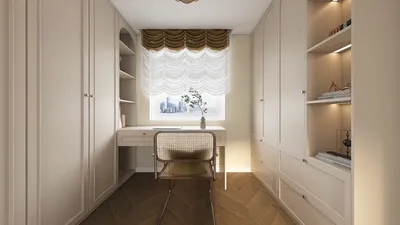


There was a time when a client requested a vacuum so compact it could be hidden behind a picture frame, and yes, I attempted to make that a reality. The takeaway? Working in small spaces demands innovative solutions rather than settling for less. If you’ve ever struggled with a bulky vacuum in a small apartment, you can relate to the challenge.
This redesign experience urged me to prioritize functionality over brand recognition, focusing instead on how cleaning equipment fits seamlessly into the overall design. I frequently recommend pairing a slim vacuum with smart storage solutions when creating efficient layouts for clients, ensuring everything remains organized while retaining aesthetic appeal.
1. Opt for a cordless stick for quick access
I advocate for the use of a cordless stick as the primary choice: they are lightweight, can be stored upright, and are perfect for quick clean-ups from floors to curtains. The advantages are clear — rapid clean-ups and convenient storage — but potential downsides include limited battery life and slightly reduced deep-cleaning power compared to traditional full-size models.
Tip: Select a model featuring a removable battery or a fast-charging dock to ensure your vacuum is always prepared for use between apartment projects.
save pin
2. Keep a small handheld for hard-to-reach areas
A compact handheld vacuum is an essential tool for cleaning sofas, shelves, and car interiors: it's inexpensive, quick, and surprisingly efficient. While it cannot replace a full-size vacuum, it excels at tackling crumbs and pet hair swiftly; however, it has limited run time and smaller dust bins that need frequent emptying.
save pin
3. Incorporate a slim robot for everyday upkeep
Robotic vacuums are excellent for tight spaces — they help maintain cleanliness while you focus on design or cooking. Though they may not provide a deep clean on plush rugs and might overlook some corners, they are invaluable for regular maintenance, saving time and making scheduled cleaning a breeze. When designing small layouts, I consider where the vacuum can park and recharge to minimize clutter.
For a quick reference while drafting compact plans, I sometimes pull up a floor sketch to ensure designated docking areas and unobstructed paths for the robot.
save pin
4. Emphasize storage-friendly elements
Look for vacuum models equipped with wall mounts, vertical storage capabilities, or hose wrap features — these minor details can be more significant than flashy specifications. In a recent micro-apartment project, I designed a recessed niche for the vacuum to be neatly tucked away; it added minimal cost but felt like a premium solution. Keep in mind that built-in niches require proper planning, so include that in any renovation budget.
save pin
5. Balance suction power, weight, and filtration
Avoid focusing solely on suction power; weight and filter quality (HEPA filters are recommended for allergy sufferers) are crucial in small homes where airborne dust can accumulate. Heavier vacuum models may clean effectively but can be cumbersome to move between levels. I generally recommend a mid-weight vacuum with a certified filter for clients with allergies, while ensuring accessible storage close to the main living area to promote regular use.
In messy kitchens, I often develop a cleaning workflow, allowing a compact vacuum to be easily reached and returned to during meal prep without disrupting the cooking flow.
save pin
FAQ
1. Which vacuum type is ideal for a studio apartment?
I typically recommend a cordless stick vacuum for daily use alongside a compact handheld for quick clean-ups. Together, they address most cleaning needs without occupying much storage space.
2. Are robot vacuums worthwhile in smaller living areas?
Absolutely — they shine at maintaining cleanliness in compact layouts, effectively reducing visible dust and crumbs. Just be aware of their limitations with deep cleaning in corners and on high-pile rugs.
3. How crucial is HEPA filtration in smaller homes?
It's extremely significant, especially for individuals with allergies; HEPA filters capture fine particles that linger in small spaces. The American Lung Association recommends HEPA filtration to enhance indoor air quality (see lung.org).
4. Are cordless vacuums powerful enough?
Current cordless models provide ample power for daily messes, even if high-suction tasks might still be better suited for corded or full-size units. Always check the run time and brush performance based on your flooring needs.
5. What is the best way to store a vacuum in a confined apartment?
Store it vertically in a closet, a shallow niche, or on a wall mount close to the living area for easy access. Accessibility is just as important as concealment.
6. Is it better to have a bagged or bagless vacuum for small homes?
Bagless models are convenient and economical, but bagged vacuums may be cleaner to empty and are preferable for allergy sufferers who want minimal dust exposure.
7. What maintenance is most crucial?
Regularly empty dust bins, clean or replace filters according to the manufacturer’s guidelines, and ensure brush rolls are free from hair. Simple maintenance prolongs suction power and vacuum lifespan.
8. Where can I find layout examples that accommodate cleaning tools?
I often share practical layout ideas that incorporate storage and docking solutions during the design process. Reputable reviews and comparative studies can also be beneficial; organizations like Consumer Reports conduct thorough vacuum tests for performance and reliability (consumerreports.org).
save pin
Homestyler is an exceptional online home design platform that empowers you to unleash your creativity. With its user-friendly design tool, stunning 3D renderings, and a wealth of design projects and video tutorials, transforming your space has never been easier or more inspiring!
Design Now for FREE
































