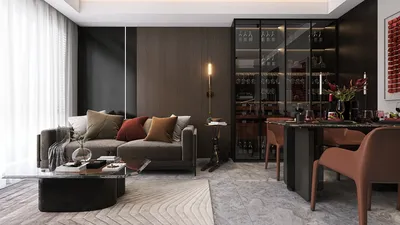


Having dedicated over a decade to designing compact and mid-sized homes, I can confidently assert that townhouse living rooms are brimming with possibilities. Today's interior design preferences emphasize sleek lines, layered textures, and a harmonious blend of natural elements. Smaller spaces can inspire significant creativity, and in this article, I’ll outline 10 decorating ideas for townhouse living rooms, merging my personal design insights with expert advice to transform limitations into innovative designs using tools like Homestyler.
1. Innovative Built-In Storage Solutions
My Experience: I once tackled a compact townhouse living room where every square inch counted. By incorporating modern, built-in cabinets with seamless doors, we maintained an uncluttered and functional atmosphere. The difference in calmness was remarkable.
Advantages: Built-in storage optimizes space and fosters a minimalist aesthetic. Research from the National Association of Home Builders indicates that integrated storage can enhance the perception of space in rooms less than 250 square feet.
Disadvantages: Custom-built options may come with a high price tag and lack adaptability if your requirements evolve.
Recommendation: Pair open shelves with closed cabinetry to provide both display and concealed storage. We achieved this balance in a project inspired by minimalist kitchen designs, significantly enhancing the room's visual space.
2. Bold Lighting as a Centerpiece
My Experience: In one of my most memorable transformations, a striking geometric chandelier became the focal point of the room. It not only captured attention but also created the illusion of height in a low ceiling.
Advantages: Exceptional lighting serves both decorative and functional roles, adding depth and personality to the space. It's particularly beneficial for demarcating areas in open-plan townhouses.
Disadvantages: Some statement pieces may dominate a room if not proportioned correctly.
Recommendation: Implement dimmers for an effortless transition of ambiance throughout the day.
3. Texturized Layered Rugs
My Experience: While staging a mid-century townhouse, I layered a jute rug beneath a patterned wool rug. This technique added visual warmth while avoiding a cluttered look.
Advantages: Layering rugs introduces texture and helps delineate functional areas in narrow layouts, compatible with both contemporary and traditional styles.
Disadvantages: Additional rugs may pose a tripping risk in frequently trafficked spots.
Recommendation: Choose a neutral base rug to allow the top rug to stand out in design.
4. Fluid Furniture Arrangements
My Experience: Instead of positioning the sofa against the wall, I opted to float it in the center with a console table behind. This arrangement improved flow in an elongated living space.
Advantages: Floating furniture can create a sense of spaciousness while providing a dynamic look, aligning with modern townhouse layout ideas.
Disadvantages: This setup necessitates sufficient circulation space and may not suit extremely compact areas.
Recommendation: Anchor the layout with an area rug that extends slightly beyond the main seating arrangement.
5. Glass Dividers for an Open Feel
My Experience: A client desired a distinction between the living and dining areas without sacrificing light. We used a steel-framed glass partition, resolving both concerns effectively.
Advantages: This solution preserves light flow while clearly defining spaces, especially beneficial for urban townhouses.
Disadvantages: Requires routine cleaning to keep fingerprints at bay.
Recommendation: Utilize frosted glass for privacy while maintaining luminosity; similar to how glass backsplashes enhance the openness of kitchens.
6. Vertical Storage Options
My Experience: In quaint living areas, I capitalize on vertical space with tall shelves, wall-mounted cabinets, and even planters suspended from the ceiling.
Advantages: This strategy draws the eye upward, creating an illusion of height and maintaining a tidy floor space.
Disadvantages: Not suited for homes with young children who might attempt to climb shelves.
Recommendation: Maintain a 12-inch clearance between top shelves and the ceiling for visual balance.
7. Versatile Furniture Pieces
My Experience: Coffee tables with hidden compartments and ottomans that serve as storage are invaluable in compact townhouses.
Advantages: Minimizes the need for additional furniture, making it ideal for versatile living environments.
Disadvantages: These pieces can be heavier than typical furniture, complicating rearrangement.
Recommendation: Seek designs that feature easy-lift mechanisms or casters for practicality.
8. Inviting Wood Accents
My Experience: I regularly incorporate warm wood elements, such as side tables or beams, to soften modern interiors, creating a welcoming ambiance even in cooler color schemes.
Advantages: Wood introduces a natural, timeless quality that complements numerous townhouse design concepts.
Disadvantages: Requires periodic maintenance, such as oiling, to preserve its appearance.
Recommendation: Utilize reclaimed wood for additional character and eco-friendliness, as we did in open-plan layouts.
9. Textured Accent Walls
My Experience: A striking change I appreciate is the use of textured paint or wall panels on a single feature wall, establishing a focal point without overwhelming the room.
Advantages: This approach injects depth and interest affordably and is easy to update in the future.
Disadvantages: Insufficient lighting can undermine the texture’s visual impact.
Recommendation: Consider acoustic panels for improved sound quality in busy urban homes.
10. Harmonious Color Schemes
My Experience: Ensuring consistent color patterns across adjoining spaces fosters visual continuity — essential in open-plan townhouse designs.
Advantages: This creates an impression of a larger, more deliberate space; a strategy advocated by the American Society of Interior Designers for open homes.
Disadvantages: Excessive uniformity can lead to a flat appearance without additional texture or accent items.
Recommendation: Implement the 60-30-10 rule: 60% main color, 30% secondary hue, 10% accent.
Conclusion
In essence, a compact townhouse living room represents not a constraint, but an opportunity for creative solutions. As noted by the ASID, challenges in smaller spaces often lead to the most inventive designs. Which of these townhouse living room decorating strategies will you tackle first with the help of Homestyler?
Frequently Asked Questions
1. What affordable decorating ideas exist for townhouse living rooms?
Incorporating multi-functional furniture, DIY accent walls, and sourced wood details can rejuvenate your room without overspending.
2. How can I enhance the spaciousness of a small townhouse living room?
Utilize light hues, floating furniture arrangements, and mirrored or glass elements to optimize light and create visual openness.
3. Are built-in features beneficial in a townhouse?
Indeed — built-ins offer customized storage and can elevate the property value, particularly in narrow living areas.
4. What lighting is recommended for a townhouse living room?
Layered lighting (ambient, accent, and task) adds depth and mood; dimmers are especially advantageous.
5. Is it possible to blend modern and rustic designs?
Certainly! Marrying sleek lines with warm wood elements brings contrast and individuality to townhouse decorating themes.
6. How can I distinguish between living and dining spaces without enclosing them?
Utilize glass dividers or open shelving to maintain a sense of separation while retaining light flow.
7. Which colors are best suited for a townhouse living room?
Neutral foundations paired with bright accent colors keep spaces lively. ASID mentions that soft taupe and warm whites are particularly adaptable.
8. Where can I find examples of storage solutions for small living rooms?
Explore our case studies on small-space storage, showcasing innovative shelving and cabinet solutions for narrow living areas.
Homestyler is your go-to online home design platform! With its user-friendly design tool, stunning 3D renderings, and a wealth of DIY video tutorials, you can effortlessly transform your home ideas into reality. Perfect for both beginners and seasoned designers alike!
Desain sekarang Gratis
































