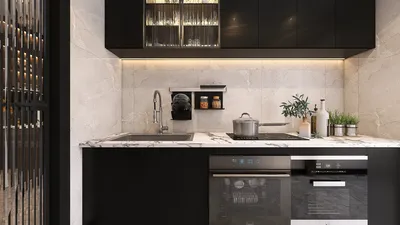


I once had a client who was determined to cover their entire living room wall in shiny black tiles after spotting a picture online that resembled a sci-fi film set. Thankfully, I managed to steer them in a different direction, suggesting a more balanced design approach. This experience taught me that even minor adjustments with tiles can create significant transformations. In smaller spaces, creativity often flourishes, and today I will share five innovative tile ideas that I have successfully implemented in various projects, proving that size doesn’t always dictate impact.
1. Staggered matte subway tiles
Matte subway tiles have always been a favorite of mine because they exude a timeless elegance without screaming "kitchen." When arranged in a staggered (brick) pattern, they add depth and texture while allowing furniture to shine. One of the best aspects is their low maintenance, and they maintain a tranquil ambiance; however, choosing the right grout color is essential—opt for a hue that complements, rather than contrasts, to keep the aesthetic fresh.
save pin
2. Porcelain slabs in large formats
For those desiring a sleek, minimalist aesthetic, I often endorse the use of large-format porcelain slabs that imitate natural stone. These slabs minimize grout lines, create an illusion of spaciousness, and offer a luxurious feel at a more accessible price point. However, installation can be more complex—it's crucial to hire a proficient installer and ensure the wall is well-prepared; the reward is certainly a stunning finish.
save pin
3. Geometric encaustic tiles for a striking feature
Installing a small feature of geometric encaustic tiles behind the TV or sofa can establish a beautiful focal point without dominating the whole room. I applied this technique in a compact apartment, effectively making the design feel deliberate and curated. These tiles tend to be vibrant and bold, so coordinate the surrounding decor with more subdued tones to prevent overwhelming the senses.
save pin
4. Subtly dramatic textured 3D tiles
Textured 3D tiles introduce layers and shadows—perfect for creating drama that’s tactile rather than overly bright. They are particularly striking as a single accent wall and respond nicely to varying lighting conditions. However, they can be more challenging to clean and generally come at a higher price point, so I recommend using them judiciously.
save pin
5. Framing artwork or shelves with mixed tile bands
Incorporating narrow bands of mixed tiles (like glass or metallic strips) around artwork or open shelves can yield a framed effect that elevates everyday displays. For instance, I used a slender copper strip to beautifully highlight a built-in bookcase—this minor investment produced a significant impact. Careful planning and accurate leveling are crucial, but the final look is both elegant and custom-made.
save pin
Tip 1:
Budget advice: opt for one high-impact area (like a panel or band) rather than tiling an entire living room to manage costs effectively. When planning, I frequently begin in 3D to visualize scale and lighting before purchasing tiles—this approach saved a client from an expensive error when the actual tiles appeared darker than expected.
save pin
FAQ
Q: What tile size is ideal for a compact living room wall?
A: Both large-format tiles and medium-sized subway tiles are excellent options. Larger tiles decrease grout lines, enhancing the perception of space, while medium-sized subway tiles provide texture without taking away from the area’s openness.
Q: Are ceramic tiles appropriate for living room walls?
A: Indeed, ceramic and porcelain tiles are both resilient and versatile choices. Porcelain is denser, making it suitable for humid settings, while ceramic works well for typical living room environments.
Q: How should I select the color of grout?
A: Ideally, match the grout color with the tile for a seamless appearance, or consider a slightly darker shade to conceal stains. Testing a small section can provide insight into the final visual effect.
Q: Is it feasible to place textured tiles behind a TV?
A: Absolutely, but ensure proper routing for cables and adequate ventilation. Textured tiles enhance visual depth; just be meticulous in your planning to ensure secure mounting for the TV.
Q: Are large-format porcelain tiles expensive to install?
A: Yes, installation costs tend to be higher due to the precision required for handling the slabs and often necessitate backer boards. Employing skilled labor is essential to prevent cracks and uneven surfaces.
Q: What's the best way to maintain 3D tiles?
A: Cleaning can be managed using a soft brush and mild detergent. Avoid harsh cleaning tools that might harm edges; regular dusting helps keep the textured surfaces looking sharp.
Q: Are encaustic-style tiles sealable?
A: Yes, many encaustic or cement-like tiles need sealing; always adhere to the manufacturer's guidelines for longevity. The International Tile & Stone Association advises sealing porous tiles to prevent staining (source: Tile Council of North America).
Q: Where can I test out layouts in 3D before purchasing tiles?
A: Consider utilizing an online layout planner to visualize various tile sizes and lighting in a virtual space; it’s a great way to save both time and money by avoiding costly mistakes.
save pin
Discover the ease of home design with Homestyler! This user-friendly platform offers a powerful online design tool, stunning 3D renderings, and a wealth of design projects and DIY video tutorials. Transform your space effortlessly and unleash your creativity today!
立即免费设计
































