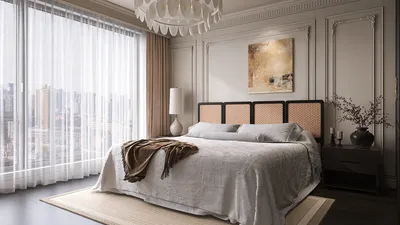


The urban landscape is evolving, with city rents pushing us into more compact living spaces. According to AIA's recent Home Design Trends Survey, there is a continuous interest in flexible, multi-functional interiors despite shrinking living areas—highlighting that limitations are becoming the guiding principle in design. In this context, a 300 sq ft studio layout transcends the idea of just a room; it becomes a system of living. I view these spaces as spatial reasoning tools—early signals of our future lifestyles.
Threshold Spine + Diagonal Sightline
Design Logic: A shallow entry corridor provides a buffer for the sleeping area while diagonally directing light and views to the window, facilitating both privacy and natural illumination—modern living trends seek to create zones without barriers.
Flow: Entrance → narrow drop zone → kitchenette → living area → sleeping alcove; a streamlined path with seamless transitions.
Sightlines: Upon entry, your gaze travels diagonally to the glass; the user interface unfolds progressively: light, seating, then sleep—an organized flow of information.
Storage: A row of cabinets, 12–16 inches deep, runs along the corridor acting as efficient storage solutions, with easy access at eye level and deeper bins below for rarely accessed items.
Furniture Fit: Incorporating a 72–76 inch sofa or sofa bed, nesting tables at 18–20 inches, and 24-inch deep appliances; every piece respects the necessary circulation space.
Verdict: This configuration merges privacy with openness in one cohesive design; even five years from now, it will remain functional as technology evolves and living habits expand.
save pin
Bay Niche Bed + Convertible Core
Design Logic: The bed is cleverly tucked into a bay with a sliding screen, while the main living area is adaptable for work, dining, or VR—embracing flexibility over fixed arrangements in future spaces.
Flow: Window nook → multifunctional table hub → galley kitchen → bathroom; a circular layout where every point can shift in purpose as needed.
Sightlines: Screens are flush and, when opened, create the illusion of continuity; when closed, they conceal personal information—designing for focus and privacy simultaneously.
Storage: Features include 24-inch deep drawers beneath the bed and overhead cabinets; vertical niches on either side act like backup storage pathways.
Furniture Fit: A 30x36 inch drop-leaf table, two stacking chairs, and a media shelf measuring 48–60 inches; precise measurements maintain a 30–34 inch corridor space.
Verdict: This niche design allows sleep to blend into the background; the central space is agile and ready for new living arrangements.
save pin
Wall-Bed Grid + Wet-Zone Stack
Design Logic: A queen-sized wall bed aligns with a storage grid, while the kitchen and bathroom are stacked to optimize plumbing efficiency—proving that future designs prioritize energy and resource management.
Flow: Entry → coat niche → service wall (for cooking/cleaning) → bed deployment → lounge by the window; activities happen in a left-to-right sequence mirroring coding logic.
Sightlines: When the bed is up, the grid creates a serene façade; when it’s down, an alternative layer is revealed without disrupting the overall design flow.
Storage: The setup includes a 12-cube grid (15 inches each) and a tall pantry; labeled sections prevent chaos and ensure everything has its designated spot.
Furniture Fit: Features like a 40-inch fold-down desk, an 18-inch deep console, and 20-inch ottomans that tuck underneath keep the space optimized and functional.
Verdict: This grid design makes the studio adaptable for the future: when requirements change, only the function alters, not the foundational layout.
save pin
## Final Takeaway
A 300 sq ft studio floor plan serves as a compact operating system where flow, sightlines, and storage act as functional elements rather than mere decoration. With the principles of micro-apartment design and modular furniture demonstrating a single intent, the future will favor deliberate choices over sheer size and embrace a philosophy of ‘one room, many functions.’ Based on my observations, the most intelligent homes of the future will not necessarily be larger, but will instead be crafted with intention, and utilizing tools like Homestyler will aid in achieving such refined designs effortlessly.

Modern Toile Upholstered Bed With Metal Ball Base Soft Bedding 3D Model

Minimalist Solid Wood Multi functional Kids Cabin Bed with Storage Wardrobe 3D Model
Large Luxury Office Desk, Live Edge Color River
Homestyler is your go-to home design platform! With its user-friendly online design tool and stunning 3D renderings, you can easily visualize your ideas. Explore countless design projects and watch DIY tutorials to inspire your creativity. Transform your space today with Homestyler!
立即免费设计
































