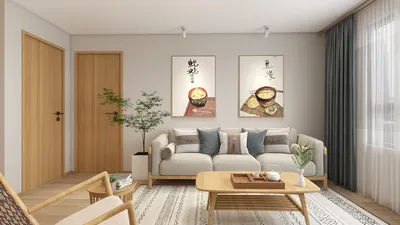


I once attempted to fit a full-sized washing machine under a staircase in a compact project and learned the tough lesson that aspirations don’t always align with plumbing restrictions. This experience instilled in me the importance of approaching designs with a sense of humility: small spaces ignite creativity, and a 600 sq ft two-bedroom layout serves as an ideal canvas for innovative solutions. In this article, I’ll reveal five practical design inspirations that I've implemented in actual projects to transform tight spaces into generous and livable areas.
1. Open-concept living with designated furniture areas
By merging the kitchen with the living area, a small home can feel more expansive. I frequently incorporate a sofa-back bookshelf or a low console to subtly define areas without constraining the openness. This method offers unobstructed sightlines and enhances entertaining options; however, it does compromise some acoustic privacy — so consider integrating storage and soft furnishings to absorb sound.
save pin
2. Bedrooms that serve multiple functions
In a compact 600 sq ft two-bedroom layout, one of the bedrooms can function as a guest room at night and a home office during the day. I’ve utilized wall-mounted fold-down desks and Murphy beds in previous designs — sleek, practical, and surprisingly comfortable. The key consideration is that the furniture should be of higher quality and tailored to ensure the space remains uncluttered.
save pin
3. Optimize vertical storage
When floor space is at a premium, I focus on vertical design: tall wardrobes, shelving above door frames, and kitchens outfitted with full-height cabinets. These vertical solutions keep essentials out of sight while maximizing circulation space. While a step stool may be necessary for daily access, the benefits include a neater, more functional environment.
save pin
4. Efficient kitchen layout for compact functionality
Implementing a galley or L-shaped kitchen with integrated appliances can make a significant difference in a 600 sq ft design. I emphasize an efficient workflow with the fridge, stove, and sink forming a tight triangle, alongside pull-out pantries and compact dishwashers. This approach is practical and budget-friendly, although it may restrict simultaneous cooking by multiple people; I recommend allocating specific tasks and establishing clear counter zones for couples.
save pin
5. Light, mirrors, and visual tricks to enhance spatial perception
Choosing light paint tones, layering lighting, and incorporating mirrors can create the illusion of a larger space. I tend to favor lighter shades on walls and ceilings while using focused task lighting in specific areas. Mirrors and glass cabinet doors add depth; although maintaining these reflective surfaces can be a hassle, the visual benefits far outweigh the upkeep.
save pin
Tips 1:
For layout inspiration and visualizing these concepts, consider using an intuitive room planner like Homestyler that allows you to explore different arrangements early on. I often sketch various options and then create a quick 3D model to assess circulation and furniture proportions.
save pin
FAQ
Q: Is it feasible to fit two bedrooms in a 600 sq ft home?
A: Definitely — with careful planning, you can fit two compact bedrooms alongside a living area, kitchen, and bathroom. Emphasizing built-in storage and adjustable furniture will ensure comfort.
Q: What’s the most effective layout for a 2-bedroom, 600 sq ft plan?
A: Typically, a linear layout or a small central living space flanked by two bedrooms works well. If possible, consider partitioning sleeping areas for added privacy.
Q: What dimensions should each bedroom have?
A: Aim for 70–90 sq ft for a compact single room and 90–110 sq ft for a small double; adjust according to necessary storage and bed size.
Q: Is an open-plan kitchen advisable in such a small space?
A: Certainly — an open-plan kitchen fosters a sense of space and promotes social interactions, but it's essential to thoughtfully plan for ventilation and storage.
Q: How can I enhance natural light in a compact design?
A: Employ light color schemes, use mirrored surfaces, and keep window treatments to a minimum. Incorporating interior glass doors or transoms can help distribute daylight across different rooms.
Q: What about storage solutions?
A: Implement vertical cabinetry, under-bed storage drawers, and multifunctional furnishings like storage ottomans. Custom built-ins tend to maximize space efficiency effectively.
Q: Where can I access efficient planning tools to experiment with layouts?
A: I suggest trying out a 3D floor planner, such as Homestyler, which allows you to rapidly sketch plans and position furniture — this is how I avoid costly layout mistakes like cramming a washing machine under a staircase.
Q: Are there building regulations or constraints I should be aware of?
A: Absolutely — local building codes dictate minimum room sizes, egress windows, and ceiling heights. Be sure to consult your local regulations or resources from the International Residential Code (IRC) for specific guidelines (see: https://www.iccsafe.org/).
save pin
Looking to transform your space? Homestyler is an exceptional online home design platform that makes it easy! With its user-friendly design tool, stunning 3D renderings, inspiring design projects, and helpful DIY video tutorials, you can effortlessly create your dream home. Start designing today!
立即免费设计
































