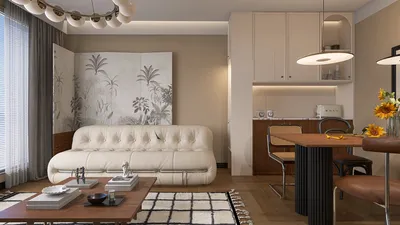


I once had a client who wished to transform a compact office space into a cozy café-like atmosphere without the sight of bulky heaters. To achieve this, I meticulously designed every furniture arrangement and heater placement using a 3D floor planner. This approach ensured clear walkways and maintained visual equilibrium. Working in confined spaces sparks creativity, encouraging thoughtful decisions regarding placement, noise control, and safety. In this article, I will present five heater ideas that I frequently implement in small office designs, often assisted by tools like Homestyler.
1) Compact ceramic heaters with directional airflow
Ceramic heaters are my preferred choice for clients seeking instant, adjustable warmth. They are lightweight, heat up quickly, and many models include oscillation features that distribute heat efficiently over a small desk area — perfect for those moments when heating the entire room isn’t necessary. However, some variants can be noisy at higher speeds, and a safe clear zone is essential. Therefore, I typically combine these with a tip-over switch and cautious surface checks.
2) Slim infrared panel heaters for wall mounting
Infrared panels present a sleek and silent heating solution that satisfies clients who prefer a tidy, uncluttered environment. Unlike traditional heaters that warm the air, these panels directly heat objects and people, making them efficient for compact offices. The downside is that they require an initial installation and do not provide immediate warmth; however, they are ideal for those desiring a minimalist aesthetic with consistent background heat.
3) Oil-filled radiators for steady, silent heat
For clients engaged in lengthy calls and needing a quiet atmosphere, I recommend oil-filled radiators. They operate almost silently and continue to emit heat even after they have turned off. Although they are heavier and take longer to heat a space, this attribute serves to provide steady warmth without spikes in electricity use. When planning the placement of a radiator among desks and cabinets, I sometimes create mock-ups using kitchen layout planners, as the same spatial considerations apply to small office environments.
4) Under-desk heaters and heated footrests
Under-desk heaters and heated footrests are a designer’s secret weapon: they provide warmth to the user without altering the overall temperature of the room, leading to energy savings. They are affordable and can be easily tucked away, but it’s crucial to assess electrical loads and avoid blocking airflow. I often advise clients that heated mats serve personal comfort well — making them ideal for one occupant, yet less effective for shared desks.
5) Smart heaters integrated with room control
Smart space heaters offer the convenience of scheduling warm-ups before work hours and can integrate with a thermostat or voice assistant, which is something I greatly appreciate. They can be equipped with sensors to operate only when the room is occupied, thus conserving energy. If you wish to prototype placements and visual aesthetics, I have been exploring AI interior design tools like Homestyler to visualize heater layouts and ensure they harmonize with the office's overall look.
FAQ
Q1: What size space heater is suitable for a small office?
A: For typical small offices ranging from 50 to 150 sq ft, aim for a heater with 750 to 1500 watts; 1500W generally suffices for most compact areas. Always check the manufacturer's recommended room size and consider factors like insulation and window area for improved accuracy.
Q2: Are space heaters safe to use in a small office?
A: Yes, provided that you follow basic safety measures: maintain a clearance of three feet around the heater, utilize tip-over and overheating protection, and avoid extension cords. For official safety guidelines and recall information, refer to the U.S. Consumer Product Safety Commission.
Q3: Which type of heater is the most energy-efficient for a small office?
A: Infrared and targeted under-desk heaters generally offer the most efficiency by warming people and objects directly, rather than heating the entire room. Employing timers and occupancy sensors can further minimize energy wastage.
Q4: How do I position a heater to prevent hot spots or blocked airflow?
A: Heaters should be placed on flat, stable surfaces with sufficient space around them. Avoid positioning them under shelves. For temporary setups, experiment with different locations to feel the airflow at desk height.
Q5: Are oil-filled radiators more suitable for noise-sensitive tasks?
A: Absolutely — oil-filled models operate very quietly and provide a consistent heat output, making them ideal for conference calls and focused work. Although they warm up slowly, they cycle less frequently after reaching temperature.
Q6: Can I operate a heater on the same circuit as my office equipment?
A: It’s important to be cautious; high-wattage heaters may overload circuits shared with printers or servers. If you frequently experience circuit trips, consider redistributing the loads or consult an electrician for a dedicated circuit.
Q7: What maintenance do space heaters require?
A: Regularly keep them dust-free, check cords for wear and tear, and periodically test safety switches. During warmer months, unplug and store them to prolong their lifespan.
Q8: How can I visually incorporate a heater into a small office design?
A: Opt for finishes and slim profiles that complement existing furniture, or conceal wall-mounted panels with artwork. Using mock-ups to plan placements is beneficial; I often sketch heater locations against floor plans to maintain aesthetic coherence.
Looking to transform your living space? Homestyler is your go-to online home design platform! With its user-friendly design tool, stunning 3D renderings, and a wealth of DIY video tutorials, you can effortlessly create and visualize your dream home. Dive into creativity today!
Concevez maintenant gratuitement
































