

I once had a client who believed that a bulky heater from Home Depot was the only solution to keep their compact studio warm, but it ended up looking more like a prop from a sci-fi movie. After some innovative adjustments, I discovered ways to incorporate compact heaters that actually enhance the room instead of overwhelming it. To start, consider small-space design ideas that conceal functionality while ensuring comfort: I often create quick layouts to determine the optimal heater placement and airflow.
1. Slim tower as a vertical accent
Slim tower heaters are perfect for slender rooms since they occupy minimal floor space and can fit neatly against a wall or desk. The benefits are clear: they have a small footprint but provide considerable heat; however, it's essential to choose models with safety features, like tip-over protection, and opt for quieter fans if noise is a concern.
save pin
2. Under-cabinet or toe-kick radiant strips
Installing radiant strips beneath kitchen cabinets or in the toe-kick area keeps your feet warm while avoiding countertop clutter. These discreet installations are particularly suitable for condos, but be sure to hire an electrician for safe setup and warranty considerations.
save pin
3. Heated bench or entryway seating
Transforming a bench into a neat heater enclosure is one of my favorite small-space hacks — it offers warmth and seating for guests in one solution. Although this requires more renovation effort and careful planning for ventilation, the outcome is both practical and appealing.
save pin
4. Heated towel racks and micro-bath upgrades
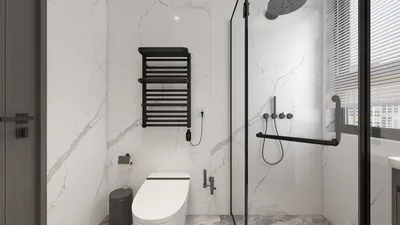
In compact bathrooms, a small heated towel rack serves as both a modest heater and a touch of luxury. While they provide quick warmth and keep towels dry, note that they are limited in heat output, so consider them as supplementary heat rather than the main source.
save pin
5. Smart, zoned portable heaters for temporary needs
For renters, I recommend a compact smart heater that allows control by room or scheduling — ideal when you only need warmth for a particular workspace or bed area. Pairing a smart unit with careful placement can help conserve energy, but always check for safety features and certified models for reassurance. For planning how a heater will fit into a room, I often use 3D visual tools like Homestyler to visualize proportions and flow.
save pin
FAQ
Q1: Are Home Depot small space heaters safe?
A1: Many models available at major retailers conform to safety standards, but it’s crucial to select heaters with features like tip-over protection, overheat shutoff, and ETL/UL listings. Always adhere to the manufacturer’s guidelines regarding placement and clearance to minimize risks.
Q2: Which heater type works best for tiny apartments?
A2: Ceramic tower or oil-filled convection heaters are popular choices; towers heat up quickly, while oil-filled models deliver steady, silent warmth. Take into account noise levels, size, and usage duration when selecting a heater.
Q3: Can I use a space heater as my primary heat source?
A3: For very small spaces, it’s feasible, but space heaters are generally more effective as supplemental heating due to cost and safety concerns. Larger, well-insulated areas typically require a central heating system or fixed electric heaters.
Q4: How do I choose placement in a small room?
A4: Position heaters in areas where people spend time, such as near seating or desks, and maintain a distance from fabrics while ensuring a clearance of three feet. Avoid obstructing airflow with furniture to achieve optimal efficiency.
Q5: Do smart heaters save energy?
A5: Absolutely, employing schedule and zoned heating can significantly minimize unnecessary heating times by directing warmth only where and when it is needed. Merging brief runtime with insulation enhancements yields the best outcomes.
Q6: Are under-cabinet heater strips worth it?
A6: They can be extremely effective and unobtrusive in kitchens and narrow hallways, but installation entails wiring and may not be ideal for every rental. I suggest consulting with an electrician to ensure safety and compliance with local codes.
Q7: How do I verify a heater’s performance?
A7: Review the wattage and recommended coverage on the product label, read user reviews, and compare standby power consumption. Models equipped with programmable thermostats generally provide more consistent comfort.
Q8: Where can I find official safety guidance about space heaters?
A8: Authoritative advice is available from the U.S. Department of Energy and the U.S. Consumer Product Safety Commission; for instance, you can check the Department of Energy’s space heater recommendations at https://www.energy.gov/energysaver/space-heaters for safety and efficiency tips.
save pin
Homestyler is your go-to platform for transforming your home design dreams into reality. With its user-friendly online design tool, stunning 3D renderings, diverse design projects, and easy-to-follow video tutorials, you can effortlessly create and visualize your perfect space. Start designing today!
تصميم الآن مجانا
































