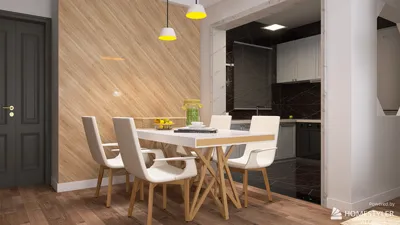


Last year, a client approached me with a request to create a "minimalist kitchen" that would also accommodate a dining table for six, a laundry corner, and a space for her dog’s bed — all within a compact layout of under 9 square meters. At first, I thought it was a joke, but this project ultimately reinforced my belief that smaller spaces inspire incredible creativity. Today, I am excited to share 10 of my favorite design strategies for optimizing compact homes, based on tangible projects I've successfully completed.
1. Built-in Seating with Storage
In the early stages of my design career, I underestimated the amount of room that a freestanding dining table and chairs would consume. By opting for built-in bench seating that incorporates storage beneath, we can save precious space. This option allows for versatile configurations, wrapping around corners to maximize every inch. Recently, we utilized room planning tools like Homestyler to achieve perfect proportions for this setup.
2. Vertical Shelving Walls
When floor space becomes limited, the walls turn into a valuable asset. Tall shelving that reaches the ceiling not only draws the eye upward but also creates the illusion of a larger area. Just remember to keep frequently accessed items at a reachable height to avoid using a ladder each morning.
3. Fold-Down Dining Tables
For studio apartments, I frequently recommend fold-down tables that are mounted to the wall. These tables are incredibly functional when open and disappear when closed. The key is to match the finish with your wall color, allowing them to blend seamlessly when not in use, enhancing the overall design.
4. Transparent Furniture
Using clear acrylic chairs or glass tables can create an effect of visual spaciousness — less visual clutter translates to a more open feel. However, the trade-off is that you may find yourself cleaning fingerprints regularly. Nevertheless, the light and airy ambiance that transparent furniture provides is invaluable in a small living room setting.
5. Sliding Doors Instead of Swing Doors
Replacing a traditional swinging bathroom door with a sliding option can create enough additional space for a full linen cabinet, as I discovered in one of my renovation projects. Sliding doors also introduce a modern aesthetic, particularly when they feature minimalist hardware. We experimented with various configurations using a free floor plan tool to prevent awkward overlaps.
6. Multi-Functional Kitchen Islands
In compact kitchens, an island can serve multiple purposes, including prep space, breakfast bar, and concealed storage. I recently designed a movable island for a loft that could be rolled aside during gatherings—transforming the area into an instant dance floor!
7. Mirrored Wall Panels
Mirrors can amplify lighting and create the illusion of space in smaller rooms. My recommendation is to use several slender panels rather than a single large mirror, as it adds an architectural element. Just be cautious of glare if placed opposite a bright window.
8. Lofted Beds with Workspace Underneath
Lofted beds are excellent for teens or remote workers inhabiting small flats, effectively turning one space into two. In one instance, I designed a compact wardrobe beneath a lofted bed for a client who required both a study space and extra storage, which they greatly appreciated.
9. Pull-Out Pantry Units
Even a small gap of 20cm between your fridge and wall can accommodate a tall pull-out pantry. This feature is a fantastic solution for storing dry goods. We managed to fine-tune such a pantry in a kitchen layout designer to ensure it cleared the fridge door swing smoothly.
10. Light Color Palettes with Texture
Using white or pastel colors can create a sense of openness in small rooms, but these shades can sometimes appear flat. To add interest, incorporate texture through textiles, rugs, or wall paneling. One client’s all-white micro-apartment transformed into a warm and inviting space simply by adding ribbed wall panels and linen drapes.
FAQ
1. What is the most effective way to make a small room feel bigger?
Utilize light colors, mirrors, and vertical lines to visually elevate the space. Decluttering is equally vital for achieving a spacious atmosphere.
2. Is built-in furniture worth it in small apartments?
Absolutely, built-ins optimize every square centimeter and seamlessly integrate storage within walls or corners.
3. How can I add storage without crowding a small space?
Choose multi-functional furnishings, such as ottomans with hidden compartments or wall-mounted shelves, to enhance functionality without overwhelming the area.
4. Should I remove doors in a tiny home?
In some cases, swapping swing doors for sliding or folding styles can save space and facilitate a better flow throughout the home.
5. Do mirrors really make a difference?
Yes, mirrors effectively reflect light and create an illusion of depth, especially when positioned thoughtfully, according to Architectural Digest.
6. How do I design a functional small kitchen?
Designate distinct areas for prep, cooking, and storage. Consider incorporating mobile islands and vertical storage solutions for added flexibility.
7. What’s the budget range for small space makeovers?
It varies significantly—ranging from a couple of hundred dollars for DIY updates to thousands for bespoke built-ins.
8. Can AI help with interior design?
Definitely. AI tools, such as Homestyler, can rapidly visualize layouts, furniture arrangements, and even lighting recommendations to expedite decision-making.
Looking to transform your space? Homestyler offers a user-friendly online design tool that lets you create stunning interiors with ease. Explore an extensive library of 3D renderings and engaging DIY video tutorials, making home design accessible and inspiring for everyone.
Concevez maintenant gratuitement
































