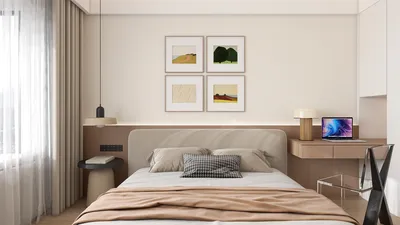


I once entered a living room where the computer desk was positioned so close to the television that every Zoom call felt like a surprise feature on movie night — the client enjoyed multitasking but wasn't fond of the glare. This experience taught me invaluable lessons about sightlines and ergonomics, more than any theoretical material could. This is precisely why I urge clients to first visualize their space in 3D using tools like Homestyler before relocating any heavy furniture. In tight spaces, decisions become crucial, and honestly, constraints often lead to the most innovative solutions.
1. Transform a console into a sleek computer desk
Console tables can serve as excellent slim desks — they keep the atmosphere light and provide storage for essential items without disrupting the flow of the room. The benefits include affordability and visual airiness; however, the downside is a limited work surface, so I typically complement it with a shallow drawer or a hanging keyboard tray for added comfort.
save pin
2. Design a dedicated nook behind the sofa
Positioning a slender desk behind the sofa establishes a clear working area while preserving the integrity of the seating space. This setup is ideal for achieving separation without constructing walls; the key is managing cables and opting for a low-profile chair that can be tucked away when entertaining guests.
save pin
3. Construct a multifunctional media wall with an integrated desk
Incorporating a pull-out or folding desk into your media wall conserves floor space and keeps your living room organized. I’ve implemented this design in two different apartments — it’s aesthetically pleasing, but it requires careful measurements to ensure the desk clears speakers and vents. For inspiration on compact configurations, explore room layout examples to see how units can gracefully fit into corners using design platforms like Homestyler.
save pin
4. Utilize vertical storage alongside a corner desk
Corners often remain underutilized; a small corner desk accompanied by tall open shelves on both sides dramatically enhances functionality. Vertical storage helps keep clutter at bay and creates a built-in feel, though it’s essential to avoid visual heaviness — lighter finishes can help the corner feel more open instead of boxed in.
save pin
5. Position a desk near a window for natural light and views
Orienting your desk to face a window enhances brightness and overall mood, and a slender desk or bench can fit remarkably well in this setup. Just remember to account for screen glare by using adjustable blinds or a swivel monitor; for modern touches, I often blend innovative layouts with automated solutions—I've been experimenting with tools in the realm of AI interior design that suggest optimal desk placements based on sunlight exposure.
save pin
FAQ
Q1: What desk size works best in a tiny living room?
I generally recommend a desk that's 30-40 inches wide for basic laptop tasks with a depth of 18-24 inches to prevent obstruction in walkways. Always measure chair clearance before making a purchase.
Q2: How can I conceal cords in a living room workstation?
Employ a cable tray beneath the desk, cord covers along baseboards, and a power strip fixed behind the desk. Labeling cords can assist if you need to unplug quickly when hosting gatherings.
Q3: Is it acceptable to place my desk near a radiator or heater?
It’s advisable to avoid placing electronics directly over heat sources to extend their lifespan. If space constraints require this setup, incorporate a small heat shield and keep vents clear.
Q4: What type of lighting should I incorporate for a living room desk?
Layered lighting is most effective: use task lighting for the desk, ambient room lighting, and optional accent lighting. A dimmable desk lamp allows you to adjust to screen work without overpowering the room's ambiance.
Q5: Is ergonomic seating important in a compact setup?
Absolutely—even in smaller spaces, a supportive chair with adjustable height is vital for comfort and posture. I’ve helped clients avoid chronic neck issues simply by swapping out a café chair for a basic ergonomic task chair.
Q6: How can I stylishly integrate a workstation in an open living room?
Select materials that complement your living room’s palette and incorporate a decorative screen or area rug to visually anchor the desk. Adding plants and a carefully curated pinboard can help blend the workspace into your living area without it feeling too sterile.
Q7: Are standing desks practical in a living-room arrangement?
Definitely—compact electric or manual height-adjustable desks fit well in many living rooms and encourage physical activity. Plan for proper cable management and ensure stability to prevent wobbling while typing.
Q8: Where can I find expert ergonomic advice?
For detailed ergonomic recommendations, consult the U.S. Occupational Safety and Health Administration (OSHA) guidelines on workstation ergonomics: https://www.osha.gov/ergonomics. Their recommendations can aid in adjusting monitor height, chair support, and keyboard placement.
save pin
Homestyler is your go-to online home design platform! With its user-friendly design tool, stunning 3D renderings, and a wealth of design projects and video tutorials, you can effortlessly create the home of your dreams. Perfect for both beginners and seasoned designers!
Progetta ora GRATIS
































