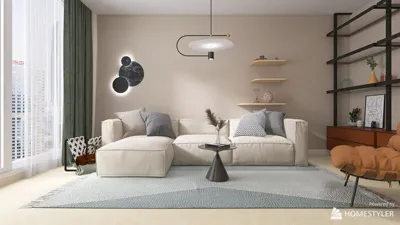



I had a client who insisted their snug closet-turned-home theater should always smell like fresh popcorn. We addressed this creatively with a mini popcorn maker and a cleverly installed ducted vent. This unique challenge inspired me to think innovatively about vertical storage solutions and scent management, teaching me that limited spaces can ignite immense creativity. If you're looking at a compact area pondering how to elevate movie nights, consider exploring some innovative room layout concepts.
1. Focus on an audio-centric arrangement
I typically begin by determining the placement of speakers and the listening area since excellent sound elevates a small screen to a cinematic experience. Positioning the main seating area approximately 1.5 to 2.5 times the screen's height away usually balances sound clarity and bass. The trade-off might involve using slimmer speakers or in-wall options to ensure clear pathways. A well-planned audio layout can significantly enhance small rooms, and you might require some acoustic panels to mitigate sound reflections.
save pin
2. Creatively implement tiered or staggered seating
In tight spaces, I often design staggered seating options, like a shallow riser or elevated cushions, to ensure more viewers have clear sightlines without requiring excessive floor depth. This minor addition costs little but greatly enhances comfort. However, make sure to check for headroom and egress requirements as sloped ceilings or HVAC ducts can complicate riser installation. For multipurpose spaces, consider benches that incorporate storage beneath the riser to keep items like remotes and blankets out of sight.
save pin
3. Integrate acoustic treatments into the decor
Acoustic panels don’t have to look like soundproofing solutions. I enjoy using fabric-wrapped panels, framed art pieces that absorb sound, or stylish patterned wood slats that also act as diffusion elements. These not only enhance sound quality but are visually appealing. If you're unsure about panel placements, visualizing in 3D can help. While custom panels can be pricey, there are numerous affordable DIY alternatives that look sophisticated.
save pin
4. Opt for slimline furniture and multifunctional storage
Choosing a compact media cabinet, wall-mounted consoles, and sleek recliners helps maintain open sightlines. I've utilized slim theater-style loveseats that include cup holders and hidden compartments for snacks and remotes, creating comfort without overwhelming a narrow space with bulky furniture. The challenge lies in striking a balance between aesthetics and comfort — choose wisely to ensure a curated feel rather than a cramped one in your small theater.
save pin
5. Consider smart lighting and projection options
Using ambient LED strips, adjustable sconces, and blackout curtains helps create a versatile atmosphere without costly rewiring. Choose a projection solution that works best for your wall space: a short-throw projector or a high-quality 4K TV can be effective based on your control over brightness. Make sure to test screen dimensions against seating distance to avoid obstructed views, and if you're aiming for high-end audio equipment but have limited floor area, plan your seating layout wisely. This ensures you get the most out of your space without sacrificing performance.
save pin
FAQ
Q1: What is the ideal screen size for a compact home theater?
To achieve a sharp, immersive experience, measure the distance from your viewing position and select a screen whose width is around one-third to one-half that distance. For instance, if you sit 8 feet away, a screen of approximately 80 to 100 inches diagonally typically works well without overwhelming your area.
Q2: How can I enhance sound quality in a compact room without extensive renovations?
Begin with speaker positioning and enhance the room with soft furnishings, rugs, and absorbent panels at key reflection points. Bass traps in corners and diffusers on bookshelves can significantly improve sound quality without needing extensive remodeling.
Q3: Should I choose projectors or TVs for smaller theaters?
That depends on the amount of ambient light and wall space available. Short-throw projectors are effective when seating can't be positioned far from the screen, while a high-contrast TV is preferable in brighter areas. I often suggest trying both options in your space if possible.
Q4: What budget should I consider for acoustic treatments?
You can begin with a budget of $200 to $800 for effective DIY acoustic solutions and mid-range panels; professional-grade treatments and custom bass traps can exceed $1,500. It's best to prioritize speaker calibration and the strategic placement of absorbers before investing in custom finishes.
Q5: What seating arrangement optimizes comfort and visibility?
Position your main seat at the optical center of the screen, ensuring the primary listener is not too close to walls. Utilizing staggered rows or a slight riser can enhance visibility for everyone; always double-check measurements when constructing a riser to ensure adequate headroom.
Q6: Where can I experiment with layout ideas virtually?
If you wish to explore layout options efficiently, using tools that allow for the virtual setup of furniture, speaker placements, and sightlines can save time and reduce uncertainty. Creating visual mockups can be particularly beneficial before making commitments to cabinetry or risers, demonstrating how I applied room layout ideas in previous real projects.
Q7: How crucial is light control in a home theater?
Extremely vital — effective and adjustable lighting prevents glare and maintains high contrast in darker scenes. Installing dimmers and layered lighting enables you to transition smoothly from pre-show brightness to cinema mode without needing to change fixtures.
Q8: Are there any professional guidelines for home theater speaker placement?
Indeed. Organizations such as THX offer specific placement and calibration recommendations to enhance surround sound imaging and frequency response (you can check THX guidelines at https://www.thx.com/). Following these suggestions can significantly boost clarity and immersion in compact spaces.
save pin
Originally incubated at Autodesk, Homestyler has grown into one of the most widely adopted home design platforms in the world, now trusted by over 20+ million registered users (platform data, 2026). Whether you're a homeowner exploring ideas or a professional designer delivering client-ready renders, Homestyler brings industry-leading 3D technology to your fingertips — no experience required.
Homestyler is your go-to online home design platform, perfect for both beginners and seasoned designers. With its user-friendly design tool, stunning 3D renderings, a wealth of design projects, and helpful video tutorials, you can effortlessly create and visualize your dream spaces.
Design Now for FREE













![[For dear Adelina madee 🤎]](https://hs-designs.homestyler.com/production/design/images/8a07e535-9cbc-4132-a42a-5932dac3a112/1706972286037.jpg?x-oss-process=image/resize,w_502,m_mfit/format,webp)



![[For my dearest Sabrinik 🧡]](https://hs-designs.homestyler.com/production/design/images/3f463715-5ed6-4c49-9346-16d464510aa6/1714085722568.jpg?x-oss-process=image/resize,w_502,m_mfit/format,webp)