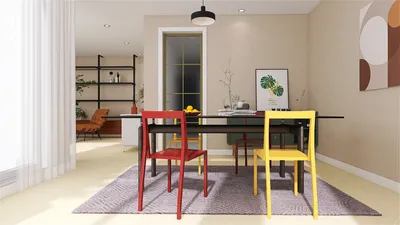


I had a client once who was adamant about hosting a 50-person acoustic event in a compact 300-square-foot storefront in Somerville. It was hard not to chuckle, but then I dove into sketching with fervor. Working with small areas calls for creativity; even a single layout choice can transform a cramped space into a cozy gathering. For that particular project, I created a detailed compact layout document, which ultimately turned out to be one of my favorite successes in micro-venue design.
1. Modular Seating Solutions
For small event venues, I highly recommend using modular benches and lightweight, stackable chairs. These options allow you to effortlessly shift from seated presentations to casual mingling in just a few moments, and they can also serve as storage if you choose hollow-seat designs.
Benefits include flexibility and quick cleanup. However, on the downside, you will require a designated storage area or a team member who enjoys the challenge of Tetris-like stacking.
save pin
2. Vertical Staging and Acoustic Innovations
When you're dealing with limited floor space, think vertically. Using wall-mounted foldable stages, acoustic panels that double as artistic decor, and suspended lighting can help delineate areas without taking up precious square footage. I once repurposed reclaimed wood panels to serve as a backdrop and sound absorber for a pop-up poetry event — it not only looked beautiful but also enhanced the acoustics significantly.
Advantages include improved sound quality and a strong visual appeal. The downside, though, is that these alterations may come with a higher initial installation cost, and it’s advisable to have a professional check the load capacity.
save pin
3. Efficient Micro-Kitchens for Catering
For events featuring food, it's essential to design a compact service area that promotes clear pathways. A small pass-through counter or foldable prep space can facilitate smoother traffic flow. I drafted several designs for a local Boston venue and used a free floor plan example from Homestyler to evaluate the movement before actual setup, thus preventing bottlenecks during the event.
The advantages include a more efficient food service and tidier guest areas. However, one must watch out for plumbing and ventilation issues that often arise in older Boston buildings, as they may require permits and innovative routing solutions.
save pin
4. Enhanced Lighting and Projection Techniques
Lighting can dramatically alter the atmosphere: warm shades are perfect for dinners, vibrant colors energize performances, and projections create immersive backgrounds. I once replaced a venue's singular chandelier with layered lighting, and the same room felt expansive during a launch event.
The outcome is high impact at a relatively low expense. Be cautious, though, of potential wiring issues and the heat produced by older light fixtures.
save pin
5. Clear Pathways and Multi-Functional Backstage Areas
Prioritize safe circulation in your design. Create a backstage or prep area that is discreet yet easily accessible, and ensure that exits are clearly marked — even the coziest venue must adhere to safety codes. If you're hosting a catering-focused event, consider conducting a kitchen service area study to coordinate prep needs with guest flow effectively.
Why is this important? It ensures guest comfort and staff efficiency. One downside is that historic venues may have fixed exits that restrict reconfiguration, so consulting with building management early is advisable.
save pin
Frequently Asked Questions
Q1: What is the safe capacity for a small event venue in Boston?
Capacity is determined by usable square footage and adherence to local codes; a typical guideline suggests 5–10 square feet per standing attendee. Always check with Boston building and fire regulations for the exact limits.
Q2: Are permits necessary for events in Boston?
Indeed, many public events require special event permits, particularly if any public sidewalks are utilized or streets are closed. Consult the City of Boston’s guidelines for special events for detailed requirements.
Q3: What are some ways to enhance acoustics in a small venue?
Incorporating soft surfaces, utilizing hanging baffles, and installing wall panels can significantly diminish sound reflections. Positioning speakers thoughtfully is essential to avoid direct sound blasts into reflective surfaces.
Q4: What flooring is ideal for areas with heavy foot traffic?
Durable materials such as commercial-grade vinyl or sealed hardwood are excellent options as they are easy to clean and resistant to wear. Implement floor protectors for temporary stages and heavy equipment.
Q5: How can I maximize revenue potential from a small event space?
Consider offering tiered experiences, including standing general admission, limited seated VIP options, and add-ons like coat check or pre-event tastings. Flexible layouts enable fast reconfiguration for different pricing tiers.
Q6: Are there specific noise regulations in Boston I should be aware of?
Boston has strict noise ordinances and neighborhood guidelines. Outdoor amplified sound often requires a permit, and late-night events may demand mitigation strategies to safeguard the community.
Q7: What accessibility features should a compact event venue offer?
It’s essential to provide at least one accessible route, clear signage, and a designated viewing or seating area for guests with disabilities. Refer to ADA guidelines for detailed requirements, and consider portable ramps for older entranceways.
Q8: Where can I access detailed permit information?
For specific permit requirements and application processes, visit the City of Boston’s official site on Special Events Permits (https://www.boston.gov/services-permits/special-events), which provides comprehensive information on forms, fees, and timelines.
save pin
Discover your dream space with Homestyler! This user-friendly online design platform offers an intuitive design tool, stunning 3D renderings, a wealth of inspiring design projects, and helpful DIY video tutorials. Transform your home effortlessly, no experience needed!
Design jetzt kostenlos
































