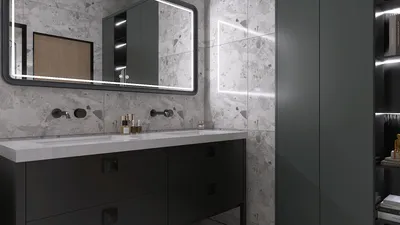


I once had an interesting task designing a living room for a client who insisted on having a digital clock visible from every spot, even the bathroom. At one point, I even contemplated installing a stadium scoreboard! This experience highlighted an important lesson: a well-placed small digital clock can serve as a significant asset in a compact environment. When arranging layouts, I often create mockups to explore the possible sight lines and scale, simplifying the process of selecting the perfect clock. That’s where tools like Homestyler come in handy.
1. Slim LED strip clock positioned behind the television
I find that a slim, horizontal LED clock mounted behind or beneath a TV works wonders. It’s easy to read and doesn’t compete with the TV's display, while its subtle profile maintains a serene wall appearance. However, consider the brightness—opting for a dimmable version or introducing a diffuser can help avoid harsh light during movie nights.
save pin
2. Compact wooden digital clock on a console
A petite wooden digital clock adds warmth and a touch of retro elegance while remaining contemporary. It fits beautifully on a console or bookshelf and complements plants and framed photographs splendidly. The downside? It can blend into the background, so I usually elevate it on a small riser or combine it with contrasting textures to make it stand out.
save pin
3. Shelved clock concealed within a decor vignette
For a more subtle approach, I often hide a compact digital clock within a niche of a bookshelf or tucked behind decorative items. This way, you maintain a clean look while still having a quick glance at the time. Before finalizing the arrangement, I take advantage of a 3D floor planning tool like Homestyler to ensure that sight lines from the sofa are optimized, as appearances can differ from reality.
save pin
4. Multifunctional smart display as a clock centerpiece
Smart displays serve multiple purposes: they function as clocks, speakers, and information hubs, making them ideal for minimalists seeking both form and function. They do rely on stable Wi-Fi and need occasional updates, plus some models can have bright screens that require a night mode; nonetheless, the convenience makes these minor issues worthwhile.
save pin
5. Recessed niche clock or under-shelf LED panel
For a sleek and integrated appearance, I’ve recessed a slim digital panel into a wall niche or beneath a floating shelf. It resembles a designed element and minimizes surface clutter. Although installation may be more complex, potentially requiring an electrician for hardwiring, achieving this look feels custom and effortless. I often utilize AI home design tools like Homestyler to visualize different finishes before proceeding.
save pin
FAQ
Q1: What size digital clock is ideal for a living room?
Select the size based on how far away it will be viewed: for most living rooms, a display height of 2 to 4 inches is readable from couches 8 to 12 feet away. Always test the clock in its intended location prior to confirming your choice.
Q2: Do digital clocks emit too much light at night?
Some do, but many of today’s models come with dimmer options or night modes. If your clock lacks these features, consider using a light shade or place it further from your line of sight to minimize glare.
Q3: Should I choose battery-operated or plug-in clocks?
Battery-operated clocks maintain a tidy appearance and are easier to manage, while wired clocks provide consistent power and advanced features like Wi-Fi synchronization. I always weigh aesthetics against functionality when advising clients.
Q4: Can a digital clock serve as a decorative focal point?
Absolutely—select a finish and positioning that harmonizes with your color scheme, such as a bold LED strip over a neutral mantel or a wooden-faced clock on a mid-century console. Smaller items can significantly anchor a decorative vignette.
Q5: How can I minimize blue light from digital displays?
Opt for clocks that feature warm-tone LEDs or warm-mode settings, and use dimmers at night. Positioning the clock so it reflects off the wall instead of directly into seating areas can also help.
Q6: Are smart displays safe to use?
Since smart displays connect to the internet, ensure that firmware is up to date and utilize strong Wi-Fi security. Treat these devices like any other smart gadget by routinely checking privacy settings.
Q7: How reliable are consumer digital clocks?
Many consumer clocks are quite dependable, with internet-connected versions able to sync with official time servers. The U.S. National Institute of Standards and Technology (NIST) states that devices synchronized via Network Time Protocol (NTP) can maintain excellent accuracy if set up correctly.
Q8: Any budget-friendly suggestions for purchasing a small digital clock?
You don’t have to break the bank: a solid, compact model often retails for under $50. Spend more if you’re looking for additional features like Wi-Fi connectivity, dimming options, or premium finishes, and don’t hesitate to consider secondhand designer items for added character without the hefty price tag.
save pin
Discover the power of Homestyler, your ultimate online home design tool! With stunning 3D renderings, a wealth of design projects, and easy-to-follow video tutorials, you can effortlessly create and visualize your dream space—perfect for both beginners and seasoned designers!
Design Now for FREE
































