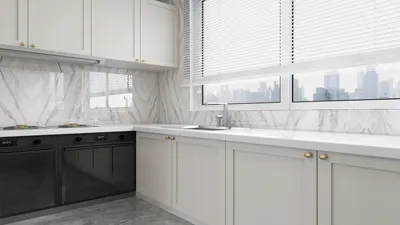


I vividly recall a client who asked me to fit a dining table into a compact 60cm corner while creating a captivating café vibe. This unique challenge inspired me to design an innovative folding corner solution right then and there, which has since become my go-to strategy for maximizing small kitchen spaces. Constrained areas often drive my creativity, and a petite corner table can harmoniously combine functionality with style, especially when using a tool like Homestyler for visualization.
For those in search of ideas for small corner kitchen tables, I’m excited to share five practical solutions that I've successfully implemented in various projects. To start, consider modular and multi-functional designs — the potential of a single corner can truly be realized. To help with layout considerations, take a look at compact dining nook planning that illustrates how a corner can enhance your space.
Fold-down corner table
I have a fondness for fold-down tables because they elegantly vanish when not in use. For a young couple desiring a breakfast area without sacrificing precious floor space, I installed one that folds flat against the wall and features a slim shelf underneath for placemats. Homestyler can provide fantastic mock-ups for visualizing such designs.
Advantages: incredibly space-efficient and cost-effective. Challenge: ensure you use solid wall anchors and perform a thorough clearance assessment to avoid clashes with doors or drawers.
save pin
Triangular “breakfast wedge” table
The triangular model fits snugly into the corner, offering surprisingly ample legroom. I often pair it with two compact stools that tuck away neatly, keeping the overall look light and organized. Utilizing Homestyler can help you visualize this arrangement in 3D.
It's an excellent option for limited spaces and provides a modern aesthetic. However, triangular shapes may restrict comfortable seating to just two people, which could pose a challenge for entertaining.
save pin
Built-in banquette with storage
Built-in benches are my top choice when tackling storage needs. During a studio renovation, we cleverly utilized the bench base to store recycling bins and seasonal items, transforming an overlooked corner into both seating and functional storage.
Benefit: serves dual purposes for storage and cozy seating. Drawback: initially higher carpentry costs and reduced flexibility if you wish to rearrange later. Visualizing how this fits can be achieved through designing layouts using Homestyler.
save pin
Floating shelf table with stools
An elegant narrow floating table, anchored to two walls, is both stylish and budget-friendly. I designed one for a minimalist client who appreciated wooden textures; paired with stackable stools, it proves surprisingly comfortable for two. Visualization through tools like Homestyler can enhance this idea.
Pros: sleek profile, easy to clean, and straightforward to install. Cons: weight restrictions and the necessity to investigate wall types before installing heavier objects.
save pin
Extendable nested tables
Nested or pull-out tables offer remarkable flexibility, featuring a compact design on most days and an expandable option for entertaining guests. In a rental setting, I utilized a nested set to maintain a cozy atmosphere for photos without committing to permanent solutions.
Strengths: adaptable and tenant-friendly. Weaknesses: the moving components require periodic maintenance, and seams may trap debris — hence, selecting easy-to-clean materials is advisable.
save pin
FAQ
Q1: What is the ideal size for a corner kitchen table?
A: For two individuals, aim for a tabletop that extends 60–80cm deep on each side of the corner; this ensures sufficient elbow room without overwhelming the kitchen area. Always measure clearances for drawers and doors prior to making a purchase.
Q2: Can a corner table be affixed to drywall?
A: Yes, it can be done, but proper anchors are essential and consider a bracket that distributes weight across the studs. If uncertain, a consultation with a carpenter could be beneficial for reinforcement options.
Q3: What materials are best suited for a small kitchen?
A: Lightweight woods, laminates, and engineered stone tops have become popular choices due to their durability and ease of maintenance. I frequently recommend laminate for rental properties and solid wood for long-term residences.
Q4: How can I enhance the multifunctionality of a corner table?
A: Integrate storage under a bench, utilize a fold-down leaf for extra prep space, or choose nesting stools that can serve as side tables. Maximize vertical space with hooks or slim shelves above the table for added utility.
Q5: Are built-in banquettes worth their price?
A: Yes, especially if storage and permanence are priorities — they increase usable square footage and often contribute to comfort and organization. The trade-off is typically reduced flexibility and a higher upfront investment.
Q6: How should I select seating for a confined corner?
A: Select stools or armless chairs to optimize space. Benches equipped with cushions can provide a cozy aesthetic and additional storage capabilities beneath.
Q7: Where can I find trustworthy layout guidance?
A: Professional organizations and planning tools are invaluable; for established industry standards, check the National Kitchen & Bath Association (NKBA) at https://nkba.org for guidance on clearance and ergonomics.
Q8: Can technology assist in planning a corner table layout?
A: Definitely — current tools offer quick mock-ups and spatial evaluations. If you're interested in AI-assisted concepts, exploring Homestyler can provide innovative layout suggestions that can spur creative ideas and accelerate decision-making.
save pin
Homestyler is your go-to online home design platform! With its user-friendly design tool, stunning 3D renderings, and a wealth of DIY video tutorials, you can easily transform your home with creative flair. Discover endless design projects and bring your vision to life effortlessly!
Progetta ora GRATIS
































