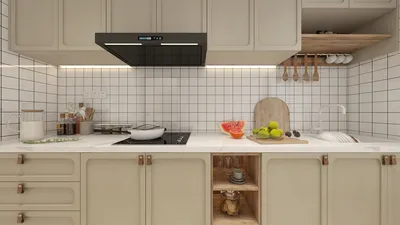


A client once came to me seeking to fit an entire espresso bar into a space no bigger than a coat closet. I almost suggested a periscope as a joke! This experience highlighted how small areas can ignite great imagination. Relying on a small-space case study, I discovered this to be true. Let's explore five innovative coffee corner ideas I’ve implemented, complete with practical benefits, challenges, and budget-friendly tips.
1. Slim Galley Coffee Bar
Picture a slender counter running along a hallway or positioned behind the living room sofa: a narrow galley designed with a compact machine, a shelf for cups, and a drawer for pods. It's streamlined and efficient—ideal for those who want a coffee ritual without taking up too much room. However, a challenge lies in managing wiring and ventilation for larger machines; hence, I often suggest installing an under-cabinet extractor fan for setups prone to steam issues.
save pin
2. Floating Shelf Coffee Station
Floating shelves above a compact counter create an airy and curated corner. On one occasion, I painted the wall a rich green, installed a single shelf for mugs, and placed a slender cart below for coffee beans and accessories—an elegant yet budget-conscious choice. Be mindful of weight capacities for your shelves, and avoid overcrowding them with too many items; a well-organized selection looks more sophisticated.
save pin
3. Pull-Out Coffee Drawer
A pull-out drawer that reveals a coffee machine stands as my favorite way to conceal clutter when company arrives. It's perfect for tiny kitchens where every inch of counter space is precious. On the downside, custom carpentry may increase costs, but I've helped clients save money by retrofitting existing cabinets instead of opting for complete renovations.
save pin
4. Corner Nook with Vertical Storage
Transforming an underutilized corner with vertical racks can turn an awkward space into prime coffee territory. I enjoy stacking a grinder atop a mini-fridge while hanging mugs on wall pegs. This method maximizes storage, although it can feel cramped if lighting is insufficient; adding a sleek LED strip can enhance brightness and openness.
save pin
5. Versatile Console Table
A narrow console placed behind a sofa or in an entryway serves as both a coffee station and a decorative shelf. Its flexibility, affordability, and seasonal adaptability are great benefits. However, limited preparation space exists, so I recommend pairing it with a small tray to define the prep area—an excellent solution for pour-over enthusiasts.
If you're looking for visual layouts to replicate or adjust, explore compact coffee layout examples, including those I referenced during tight kitchen planning—seeing a design can help mitigate unexpected challenges.
I always rely on a few critical tips: standardizing mug sizes for better shelf organization, keeping frequently used items at a comfortable arm height, and selecting materials that minimize the visibility of coffee stains (matte finishes can be quite forgiving). I also guide clients through various budget ranges—from a $200 minimalist cart to $2,000 custom cabinetry—ensuring their expectations are realistic.
To add the finishing touch, I typically render the concept in 3D to help clients visualize the space before construction begins. One 3D mockup assisted a family in choosing between two color palettes, saving them from the hassle of repainting later.
Tips 1:
Maintain simplicity: designate one surface for preparation, one zone for storage, and an area for waste. These small practices will help your mini coffee corner feel intentional rather than cluttered.
save pin
FAQ
Q1: What is the minimum size required for a functional coffee corner?
A: You can create a functional coffee corner within a space of as little as 0.3–0.5 square meters, using a narrow shelf or a pull-out drawer. The emphasis should be on the layout and ergonomics, rather than the actual surface area.
Q2: Which coffee machines are most suitable for small spaces?
A: Compact pod machines, petite manual espresso makers, and pour-over setups work ideally. Don't forget to consider ventilation requirements for machines that produce steam.
Q3: How crucial is lighting for a coffee nook?
A: Extremely critical—a thin LED strip or puck lights mounted underneath shelves can enhance aesthetics and usability during early mornings. A warm light color temperature (2700K–3000K) creates a cozy ambiance.
Q4: Can I install a coffee corner in a hallway?
A: Absolutely, a slim galley or console fits beautifully in a hallway; just ensure there’s ample clearance for foot traffic and that the machine's cords are managed safely.
Q5: Which materials are most resistant to coffee stains?
A: Matte laminates, quartz surfaces, and sealed wood offer good resistance and are easy to clean. Avoid untreated soft woods unless they are properly sealed.
Q6: Is having a mini-fridge a necessity?
A: Not necessarily, but a mini-fridge is beneficial if you frequently use milk or prefer chilled concentrates. Many opt out of it to conserve space.
Q7: What is the ideal counter height for comfort?
A: The standard counter height is approximately 36 inches (91 cm), ergonomic for most individuals; this is recommended by the National Kitchen & Bath Association (NKBA).
Q8: Where can I find layout examples to help visualize my coffee corner?
A: Explore published case studies and 3D layouts to consider your options; visual aids can greatly simplify planning and minimize costly adjustments down the line.
save pin
Homestyler is your go-to online home design platform, perfect for anyone looking to transform their space. With its user-friendly design tool, stunning 3D renderings, diverse design projects, and helpful video tutorials, you'll effortlessly bring your home vision to life. Start creating today!
Design Now for FREE
































