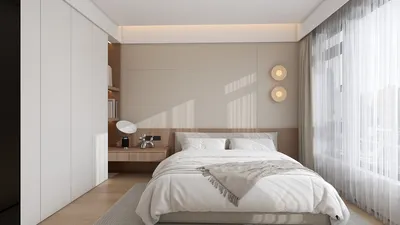


I once had a client who insisted on positioning their bed towards the window, claiming that "the moon inspires creativity"—this almost led me to design a skylight hammock instead. This little experience taught me one valuable lesson: compact bedrooms necessitate more innovative and daring decisions, and with tools like Homestyler, you can visualize your space without even lifting a hammer.
Compact spaces ignite significant creativity, and in this article, I’ll share five bedroom remodel ideas I’ve successfully implemented on actual projects. Each suggestion includes its effectiveness, important considerations, and a practical tip you can try this weekend.
1. Built-in storage around the bed
I am a fan of enclosing a bed with cabinetry—having shelves and drawers around a platform bed utilizes typically unused wall space. The benefit is substantial storage combined with a sleek appearance; however, the downside is that custom carpentry can be more costly and takes precision to ensure proper measurements.
Budget tip: Begin with modular pieces that you can paint to match your walls, and later transition to built-ins when your budget allows for it.
2. Layered lighting for function and mood
Relying on a single ceiling light won't suffice. I recommend a blend: ambient overhead lighting, adjustable task lamps by the bed, and a slim wall washer or LED strip for highlighting artwork or shelving. This combination creates the illusion of a larger and more thoughtfully designed tiny room.
Challenge alert: More switches require additional wiring planning. Adding a dimmer on the main circuit is a small enhancement that proves beneficial every evening.
3. Multipurpose furniture and sliding partitions
In a city studio, I transformed a closet wall into a fold-down desk that also serves as a headboard—guests were often oblivious to the desk concealed behind the bedding. Multipurpose furnishings maintain a compact footprint while maximizing functionality.
If you wish to experiment digitally, platforms like Homestyler allow you to create a floor plan that tests various furniture layouts before purchasing anything. Be prepared to make some compromises between functions; this indeed is the essence of truly compact living.
4. Accent wall with texture, not paint
For a client desiring warmth without an overload of color, I incorporated reclaimed wood planks on an accent wall—texture contributes richness more effectively than paint in confined spaces. It creates a cozy atmosphere, conceals minor wall imperfections, and establishes a focal point without overwhelming the room.
Be cautious: Textured surfaces can gather dust; opt for sealed materials and consider ease of cleaning. If a consistent appearance appeals to you, think about using wallpaper that has a subtle, tactile pattern instead of actual wood.
5. Smart color and reflective surfaces
Utilizing light neutrals, a few bold accent colors, and mirrored or glossy finishes creates the illusion of larger tight bedrooms. I frequently suggest incorporating one striking textile or artwork piece to maintain personality while reflective surfaces enhance light.
For a modern touch, consider building an inspiration board with AI-assisted mood boards, such as those offered by Homestyler, to quickly experiment with color palettes and materials. The secret lies in blending shine with warmth—too many reflective surfaces can create a cold feel, so soften the environment with gentle textiles.
FAQ
Q1: What’s the simplest way to initiate a bedroom remodel?
A1: Begin with decluttering and precise measurements. Accurately inventorying what you intend to keep aids in defining storage requirements and layout possibilities swiftly.
Q2: How much should I budget per square foot for a bedroom remodel?
A2: Costs can vary significantly; a modest refresh (painting, lighting, some furnishings) could be merely a few hundred dollars per room, while full renovations including built-ins and new flooring will be pricier. It’s advisable to obtain two contractor estimates for comparison.
Q3: Are built-in wardrobes worth their expense?
A3: Yes, especially if you plan to reside there long-term and require tailored storage—the benefits of fitting and efficiency often surpass the initial cost. They can also enhance resale appeal if executed in neutral, high-quality finishes.
Q4: What colors contribute to making a small bedroom feel more spacious?
A4: Soft, light tones like warm whites, pale greys, and muted pastels reflect more light, creating an expansive ambiance. Adding a deeper accent provides richness without shrinking the space.
Q5: How can remodeling enhance sleep quality?
A5: Thoughtful design minimizes noise, enhances lighting control, and organizes clutter—these factors decrease stress at bedtime. For further insights and research related to sleep, visit the National Sleep Foundation (https://www.sleepfoundation.org).
Q6: Is hiring a professional for a small remodel worthwhile?
A6: A professional can save you time and help avoid costly errors, particularly for electrical or structural alterations. For cosmetic updates, you can usually carry out the work yourself with proper planning.
Q7: How do I select flooring for a bedroom remodel?
A7: Evaluate comfort, insulation, and maintenance—carpet offers coziness, engineered wood provides warmth and durability, while luxury vinyl is both budget-friendly and resilient.
Q8: Can I evaluate layouts prior to purchasing furniture?
A8: Certainly—utilize basic sketches or digital tools to try out different arrangements. If you wish to delve deeper, a detailed floor plan crafted online can help you visualize dimensions and traffic patterns.
Homestyler is your go-to platform for effortless home design. With its user-friendly online design tool, stunning 3D renderings, and a wealth of design projects and video tutorials, you can easily transform your vision into reality. Start creating your dream space today!
Design Now for FREE
































