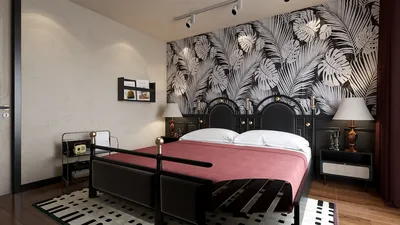


As we move into the future, contemporary households are finding themselves balancing caregiving duties, remote work, and the need for privacy. The National Association of Home Builders (NAHB) indicates that the average size of homes in the U.S. has stabilized, while there has been an increase in multi-generational living. This paradox drives the demand for more intelligent space utilization, which can be effectively modeled using tools like Homestyler. I’m exploring six-bedroom floor plans as essential blueprints for flexible family dynamics, with an ever-growing necessity for bandwidth and spatial reasoning.
Clustered Core + Dual Perimeter Rings
Design Logic: Six bedrooms are organized around a shared core that includes a kitchen, scullery, and a serene family hub—this strategic layout facilitates caregiving, while peripheral rings provide autonomy for teens and elderly family members.
Flow: The layout follows a seamless path starting from the entry, moving through a mudroom cache and into the core hub, continuing along ring corridors to the private rooms—think of this as a stable loop that facilitates wellness and service interactions.
Sightlines: Engage long axial lines from the foyer to the garden, while bedroom doors are strategically offset to maintain user interface privacy, featuring glazed transoms that indicate current status without full exposure.
Storage: Implement a two-tier pantry system, linen spines lining the corridors, and under-stair cold storage, where caches are organized by frequency of use—daily essentials versus seasonal items.
Furniture Fit: The design accommodates queen beds in four rooms and adaptable twin beds in two, with 30-inch clearances and 18-inch side tables. Also, modular desks are aligned with power and data nodes for efficiency.
Verdict: This design anticipates the demands of caregiving and hybrid work, minimizing noise while ensuring that the core remains a robust, functional unit.
save pin
Split-Wing with Work-Ready Annex
Design Logic: The primary suite with two additional bedrooms creates a tranquil wing, while the opposite side houses three adaptable rooms plus a studio annex suitable for telehealth sessions, micro-entrepreneurial activities, or study pods.
Flow: The layout transitions from the foyer to a communal living space through a forked corridor leading to the quiet wing and a secondary path to the annex—this separation effectively distinguishes between active and restful areas.
Sightlines: The living room offers diagonal views towards the patio, with the annex’s entry being discreetly visible from the kitchen, allowing for oversight without being intrusive.
Storage: The annex incorporates a wall system designed with deep drawers and efficient cable management, and the closets in the wing function as continuous storage solutions, preventing clutter.
Furniture Fit: The annex includes a 72-inch worktable, acoustic panels, and a sleeper loveseat. Bedrooms are sized to accommodate both queen and twin beds while ensuring a 36-inch circulation space.
Verdict: In a world where work and life can be unpredictable, this split-wing design helps maintain focus and allows for quick reconfiguration of spaces from study to guest accommodations within a single day.
save pin
Courtyard Spine + Two-Level Privacy Gradient
Design Logic: A central courtyard serves as the thermal and social heart of the home; three bedrooms are positioned on the lower level for accessibility, while the upper level provides a quieter environment suitable for night shifts.
Flow: The movement within the home progresses from the entry to the courtyard spine, leading through the ground floor rooms and up to an upper tier, respecting different chronotypes in its design.
Sightlines: Views extend from the kitchen to the courtyard and upper balcony, enabling layered transparency while bedrooms are angled to focus on the sky or greenery rather than screens.
Storage: Built-in benches line the spine, attic trays accommodate less frequently used items, and garage wall grids organize hardware for future needs.
Furniture Fit: The ground-level rooms can accommodate king-sized beds or split twins, providing space for aging-in-place; upstairs, the beds are standard queen size, with 24-inch nightstands and 60-inch desk spacing.
Verdict: The courtyard acts as the home's heartbeat, coordinating climate control, social interactions, and privacy, allowing six rooms to be effectively organized without expanding the living area unnecessarily.
save pin
Final Takeaway
Embracing six-bedroom floor plans centers around orchestration rather than sheer size—it's about managing bandwidth, establishing buffers, and incorporating adaptable nodes. As families evolve toward multi-generational and hybrid lifestyles, these innovative layouts resemble firmware updates for modern domestic life. Based on my experience, the smartest future homes won’t necessarily be larger, but instead more purposeful; I consistently witness how effective flow and storage solutions enhance daily living through designs created with tools like Homestyler.

Modern Minimalist Solid Wood Metal Office Desk 3D Model

bali & pari Davida Natural Rattan Daybed, One Size

Minimalist Tan Leather L-Shaped Sectional Sofa 3D Model
Homestyler is your go-to platform for effortless home design. With a user-friendly online design tool, stunning 3D renderings, an extensive array of design projects, and easy-to-follow video tutorials, you can transform your space into your dream home—no prior experience needed!
立即免费设计
































