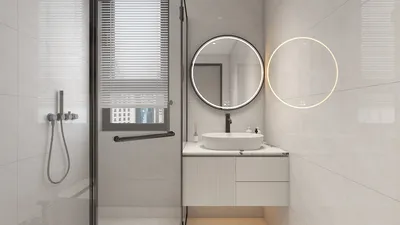


I once had a client who strongly believed in having a full-length window in their shower to "enjoy the rain"—an idea that nearly caused me to lose the project. However, we found a middle ground that preserved their view while ensuring privacy. This experience taught me that incorporating a window into a shower design can be a powerful element, provided you consider factors such as light, ventilation, and waterproofing from the outset. For instance, I created an early sketch of a framed glass window layout to evaluate sightlines and privacy requirements, which saved us a great deal of time on revisions later. In small spaces, making smart choices is essential; here are five shower-window concepts I frequently implement, supported by real-life examples, advantages, drawbacks, and quick insights.
1. High transom or clerestory window for privacy and light
Positioning a narrow horizontal window high on the wall allows natural light to flood the shower area without sacrificing privacy. This option is both low-maintenance and cost-effective, though you must choose between operable units for air circulation or fixed glass for enhanced waterproofing. In one urban project, I opted for operable transoms, and the client appreciated the steam-removing benefits, despite the extra costs for hardware.
save pin
2. Frosted or textured glass within the shower wall
Using frosted glass or glass blocks delivers a gentle, uniform glow and works well when an outside view isn’t beneficial. These materials are durable and suitable for DIY installations during budget renovations, though textured glass may restrict sightlines if a view is desired. In a compact condo project I managed, glass blocks illuminated the area wonderfully while concealing a noisy alley—an ideal solution.
save pin
3. Frameless window with privacy film and operable sash
For those desiring an unobstructed view, combining tempered glazing with removable privacy film and a top-hinged operable sash for ventilation is an excellent choice. This design offers a sleek, modern aesthetic, although it does come at a higher price due to the need for safety glazing and watertight flashing. I enjoy visualizing window sightlines in 3D during design reviews, so clients can determine if they require curtains or frosted treatments for added privacy.
save pin
4. Window niche that doubles as a shelf and light source
Integrating a shallow horizontal window into a tiled niche creates both a storage space and a source of natural light. This innovative approach saves space and keeps water exposure manageable, although careful attention is needed for detailing the sill and drainage. In one project, I included a slight slope on the interior sill, which prevented pooling—a small but impactful detail that felt like a hidden advantage.
save pin
5. Skylight or roof window above the shower
When side walls pose challenges, a skylight introduces magnificent overhead light while keeping the walls free for storage or fixtures. Though it adds a touch of luxury and brightness, installation can be costly, and roof penetrations demand precise flashing to avoid leaks. For tighter budgets, a tubular skylight can be a more affordable option that still offers a concentrated beam of light.
save pin
Tips 1:
Before finalizing your chosen window type, always consider ventilation, safety glazing (tempered glass), and flashing details. If you're planning on precise tiling, accurately measuring the shower footprint is crucial for coordinating window placement and drainage. For larger presentations, I occasionally create a quick 3D render, allowing clients to visualize the scale and light in the space.
save pin
FAQ
Q1: Can I install a window directly in the shower wall?
A: Yes, but it is essential to ensure proper waterproofing, a sloped sill, and the use of tempered safety glass. Consult your contractor regarding flashing details and sealing techniques to prevent leaks.
Q2: What type of glass is safest for a shower window?
A: Tempered or laminated safety glass is advised due to its ability to minimize injury risks if broken, and many local codes mandate safety glazing in wet areas.
Q3: Is privacy film necessary if I use frosted glass?
A: Generally, frosted glass offers sufficient privacy, but adding privacy film can provide an additional layer of discretion and can be easily adjusted if you prefer more or less opacity in the future.
Q4: How do skylights compare to side windows in showers?
A: Skylights provide overhead light without concerns about sightlines, whereas side windows can offer views and enhance cross-ventilation. However, skylights require careful flashing to prevent leaks.
Q5: Are there specific building codes for shower windows?
A: Yes—codes like the International Residential Code (IRC) govern requirements for tempered glazing and ventilation. It's crucial to verify your local codes or consult an inspector for specifics.
Q6: How can I prevent the window from fogging up?
A: Enhance ventilation with an exhaust fan or operable sash; heated glass and anti-fog coatings are also options in higher-end projects. Regular airflow remains the most economical solution.
Q7: Can I add a window after the shower has been built?
A: It is feasible but more complicated; cut-ins require reframing, new flashing, and tile repairs. Be prepared for demolition and waterproofing costs when planning post-build additions.
Q8: What kind of maintenance do shower windows require?
A: Maintain sealants and grout in good condition, clean mineral deposits with a vinegar solution, and routinely inspect flashing. Conducting seasonal checks can help avoid small issues morphing into leaks.
save pin
Homestyler is your go-to online home design platform! With its user-friendly design tool, stunning 3D renderings, and a wealth of DIY video tutorials, transforming your space has never been easier. Explore endless design projects and bring your vision to life effortlessly!
Desain sekarang Gratis
































