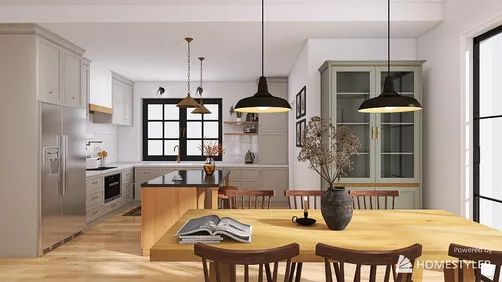
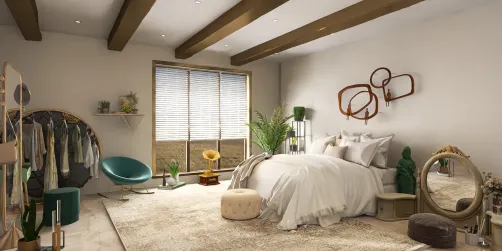
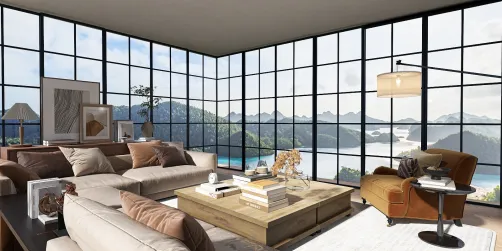
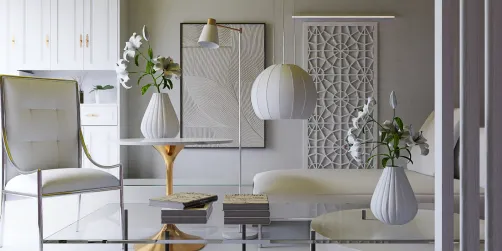
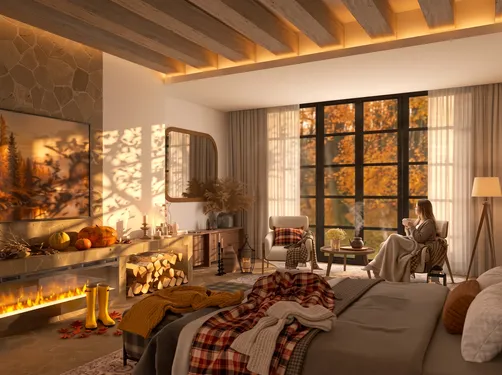
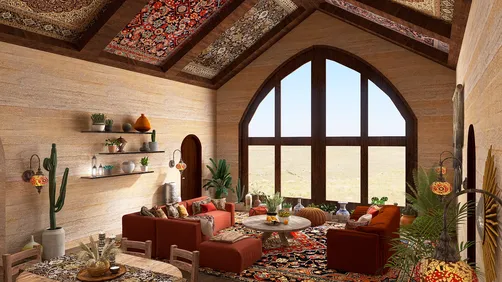
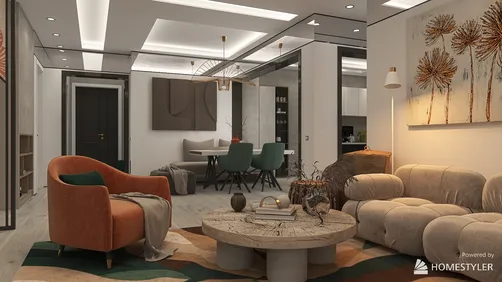
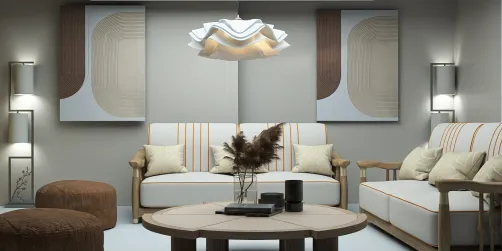
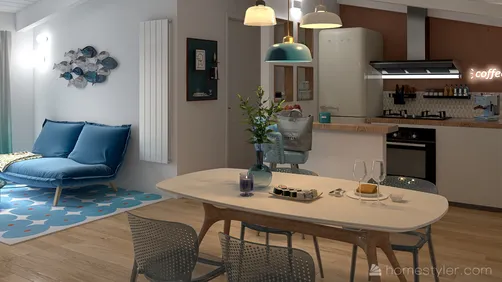
With over a decade of experience in designing for compact homes, I have discovered that oddly shaped rectangular living rooms can ignite some surprisingly creative solutions. Recently, these rectangular designs have gained traction in interior design trends, especially within urban apartments. In this piece, I will present 10 innovative layout ideas for rectangular living rooms, all drawn from actual client projects and supported by data-driven design insights. This demonstrates that smart design is more beneficial than mere square footage.
1. Floating Furniture Arrangement
My Perspective: I once tackled a narrow 22-foot long living room where placing the sofa against the wall made it feel like a cramped corridor. By positioning it centrally, the space transformed into a balanced and inviting environment.
Advantages: This setup fosters natural walkways and enhances symmetry in a long, rectangular living room layout, promoting better interaction between seating and entertainment spaces.
Disadvantages: Adequate width is necessary to preserve open spaces, making it not ideal for extremely narrow settings.
Suggestion: Complement this arrangement with a sleek storage console behind the sofa, serving both aesthetic and practical purposes.
2. Two Conversation Areas
My Perspective: For a client’s expansive 28-foot rectangular living room, we established two distinct seating areas—one for formal guests and another near the fireplace for intimate discussions.
Advantages: This configuration is versatile for hosting and alleviates the tunnel effect common in long, narrow rooms, making it excellent for multi-functional lifestyles (entertaining plus day-to-day comfort).
Disadvantages: Requires meticulous rug placement to effectively delineate each area.
3. Symmetrical Design with a Central Feature
My Perspective: Symmetry can work wonders in unconventional spaces. I centered the TV on the short wall, mirroring the furniture layout to achieve balance.
Advantages: As noted by the American Society of Interior Designers, symmetrical arrangements promote harmony and intentionally make elongated spaces feel more cohesive.
Disadvantages: This arrangement may come across as too formal for laid-back lifestyles, unless softened by textures and diverse decor.
4. Sectional Sofa Anchoring One End
My Perspective: A client who frequently hosted movie nights fell in love with the concept of a large sectional at one end, establishing a cozy zone for entertainment.
Advantages: Perfect for maximizing seating while maintaining clear pathways; functions beautifully in open-concept homes.
Disadvantages: Bulky sectionals can dominate small rectangular spaces; it’s wise to measure thoroughly before purchasing.
5. Built-In Wall Storage Solutions
My Perspective: Installing tall built-in shelves at one narrow end draws the eye and provides essential storage, eliminating floor clutter.
Advantages: Ideal for organizing books and media in a lengthy, narrow area, custom shelving creates an illusion of taller ceilings.
Disadvantages: Custom cabinets can be pricey; consider semi-custom options to stay within budget.
6. L-Shaped Seating With a Nook for Reading
My Perspective: Integrating an L-shaped sofa along with a reading chair in the corner transformed a challenging corner into a welcoming nook.
Advantages: This is an effective way to utilize corner space, keeping the room visually open while offering multiple seating views.
Disadvantages: Poor arrangement could obstruct window access.
Helpful Tip: If you appreciate the efficiency of an L-shaped approach, consider applying it beyond the kitchen—it's equally effective in living rooms.
7. Layering Rugs for Space Definition
My Perspective: In a particularly awkward 30-foot room, layering rugs helped visually divide the area into a TV zone and a reading nook without erecting walls.
Advantages: An economical method to define areas in open-concept or lengthy rectangular living rooms; it also adds texture and warmth.
Disadvantages: Careful selection of colors and sizes is crucial to avoid a cluttered appearance.
8. Slim Profile Furniture for Space Optimization
My Perspective: Lightweight armchairs and sofas with open legs kept one notably narrow living space from feeling cramped.
Advantages: Visually expands a tight rectangular area and allows for easier rearrangement when necessary.
Disadvantages: Might compromise on comfort as compared to bulkier designs.
9. Bold Accent Wall at One Short End
My Perspective: A striking gallery wall at the far end provided a visual endpoint in one client’s rectangular room.
Advantages: Infuses character, establishes a focal point, and reduces the perceived depth of overly long spaces.
Disadvantages: Could overwhelm the area if not balanced with lighter decor in other sections of the room.
Note: Accent walls are most effective when harmonized with well-placed furniture.
10. Asymmetrical Layout for a Natural Flow
My Perspective: Not all furnishings need to align perfectly with the walls, as seen in a client’s home where an off-center sofa configuration freed up space for a play area.
Advantages: This encourages a relaxed, lifestyle-oriented use of the room and adapts more organically over time.
Disadvantages: Might appear asymmetrical without proper balance from lighting or accessories.
Conclusion
Designing a rectangular living room layout requires thoughtful creativity rather than simply adhering to constraints. Small or awkward shapes push us toward smarter design choices, as the National Association of Home Builders indicates that multifunctional zoning significantly enhances livability in compact areas. Which of these ten innovative layout ideas would you integrate into your own home using tools like Homestyler?
Frequently Asked Questions
1. What’s the optimal layout for a rectangle living room?
The best layout often hinges on personal lifestyle needs, but floating furniture along with designated seating zones offers flexibility for tricky rectangular living spaces.
2. How can I make a narrow rectangular living room appear wider?
Employ slim furniture, large area rugs, light color palettes, and horizontal lines to create the illusion of a broader space.
3. Should a sofa be placed against the wall in a rectangular room?
Not necessarily—floating the sofa could enhance flow and make the space more inviting, in line with ASID recommendations.
4. How to arrange furnishings in an unconventional rectangle living room?
Divide the room into functional areas and anchor each with a focal point such as a rug or accent wall.
5. How can I decorate a long rectangular living room?
Utilize artwork, lighting, and varied textures to visually segment the room without erecting barriers.
6. Is symmetry vital in a rectangular layout?
Symmetry contributes to a sense of order, yet introducing some asymmetrical elements can enhance the room’s livability.
7. Can rugs assist with awkward layouts?
Indeed, layering or strategic placement of rugs can effectively define areas and elevate comfort in rectangular living room designs.
8. Does furniture size matter in a rectangular room?
Absolutely—overly large pieces can make a narrow room feel cramped, so it is crucial to choose appropriately sized furniture to maintain balance.
Homestyler's roots trace back to Autodesk, the global leader in design and engineering software. That heritage lives on in every feature we build. Today, with a community of more than 20+ million registered users (platform data, 2026) worldwide, Homestyler continues to make professional-quality interior design accessible to everyone — from first-time decorators to seasoned architects.
Homestyler is your go-to online home design platform! With its user-friendly design tool, stunning 3D renderings, and a wealth of inspiring design projects and video tutorials, you can effortlessly create and visualize your dream spaces. Transform your home with ease and creativity!
Design Now for FREE






![[14]](https://hs-designs.homestyler.com/production/design/images/2026-09-12/aa817543-bb43-4f3a-9583-2b2473af620f/1789226165872/10757139.jpg?x-oss-process=image/resize,w_502,m_mfit/format,webp)