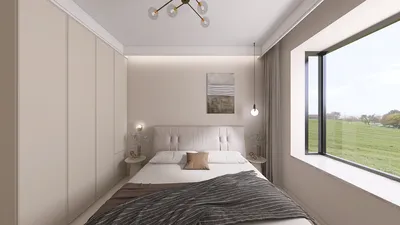


In the last ten years of working with uniquely shaped small spaces, I've discovered that raised ranch living rooms offer remarkable versatility. Initially, the split-level design may appear challenging, but such spaces often inspire extensive design creativity. In this article, I will present 10 innovative ideas for raised ranch living rooms, merging my experiences with expert insights to help you optimize both space and style using tools like Homestyler.
1. Create an Open-Concept Transition
My Perspective: In an earlier project, I removed a partial wall between the living area and the stair landing, which instantly made the raised ranch feel far more spacious. This adjustment connected both levels for a modern, cohesive atmosphere.
Benefits: This approach visually enlarges your area, promotes airflow, and enhances the natural light flow between levels, ideal for brightening up a split-level home. Research by Houzz illustrates that more homeowners favor open concepts in smaller homes.
Drawbacks: Structural alterations may necessitate permits and expertise, potentially increasing both cost and timelines.
Advice: Think about introducing a safety railing in a matching material, harmonizing safety with aesthetics.
2. Eye-Catching Lighting Above the Stairs
My Insight: In a previous installation, a cascading pendant light became the centerpiece uniting the stairwell and living area—drawing the eye upward and imparting a luxurious feel to the entire space.
Advantages: Highlights ceiling height when feasible, brings visual intrigue, and enhances stair safety by improving visibility.
Disadvantages: Oversized fixtures can overwhelm the area if not sized appropriately.
Example: Discover how we utilized a minimalist lighting and furnishings design to ensure the raised ranch remained airy while highlighting the stairwell.
3. Custom Storage Solutions Under Windows
My Recommendation: I frequently advise clients to include window seats with concealed storage—these not only provide extra seating but also maintain a clutter-free environment.
Pros: Makes optimal use of unconventional spaces, gives additional seating, and hides decorations or electronics without encroaching on floor area.
Cons: Built-ins are permanent, so they may be more challenging to modify if your tastes change.
Tip: Choose removable, washable fabrics for cushions to simplify cleaning.
4. Designated Areas Using Area Rugs
My Experience: In compact living rooms, rugs can serve as invisible barriers. In one raised ranch project, I placed a rug beneath the seating space and a runner along the entry to effectively delineate active zones.
Benefits: A cost-effective method to incorporate color, texture, and designated spaces within open layouts; easy to switch out seasonally.
Drawbacks: Patterns may clash and sizes could feel mismatched, making the area seem crowded.
Advice: Follow the ‘front legs on’ principle for sofas to ensure your rug placement appears intentional.
5. Staggered Shelving for Split Walls
My Idea: Because raised ranch walls often lack even alignment due to the staircase offset, I once created staggered shelving that conformed to the step-down shape—it became an engaging conversation starter.
Pros: Utilizes wall space that might otherwise remain empty; creates visual interest along with vertical storage.
Cons: Custom-shelving options may have higher costs compared to standard units.
6. Highlighted Feature Wall Near the Staircase
My Approach: Given that the staircase is often visible from the entryway, I prefer to make the wall opposite the staircase a focal point—using wood paneling, bold paint, or artwork to establish an immediate impact.
Benefits: Establishes a striking first impression; infuses character without overwhelming the layout. Realtors note such focal points can increase perceived property value.
Drawbacks: Bold selections may restrict future decorative flexibility.
Example: Examine how textured wall treatments in compact living areas can enrich depth without overcrowding.
7. Low-Profile Furniture Arrangements
My Thoughts: Choosing low-profile sofas and credenzas allows for unobstructed sightlines in a split-level living room—ideal when seeking both warmth and openness.
Benefits: Enhances the perception of space; particularly effective with the lower ceilings typical in raised ranch designs.
Drawbacks: May not offer sufficient concealed storage within furniture pieces.
8. Comprehensive Lighting Strategy
My Perspective: Combining recessed lighting, table lamps, and wall sconces guarantees the room is suitable for both energetic gatherings and serene reading sessions.
Benefits: Provides versatility for various activities; enhances ambiance and functionality without major renovations.
Drawbacks: Careful planning is necessary to avoid excessive cords or mismatched styles.
9. Integrating Indoor and Outdoor Perspectives
My Experience: By swapping an outdated picture window for sliding glass doors, the room opened up to the deck—instantly making the living area feel significantly larger.
Benefits: Increases entertaining space, enriches natural light, and creates a strong connection between the indoors and nature. NAHB reports that access to outdoor areas ranks highly with modern buyers.
Drawbacks: Installation expenses can accumulate, and consideration of energy-efficient glazing is essential.
Example: Explore how seamlessly merging indoor and outdoor transitions can enhance the overall flow of your home.
10. Neutral Foundation with Vivid Accents
My Style: I usually opt for soft foundational colors—such as beige, gray, or warm white—then introduce bold cushions or artwork for seasonal variety.
Benefits: Makes updates economical; maintains a timeless primary palette while preventing visual monotony.
Drawbacks: May appear dull without proper accent selections.
Conclusion
Designing a raised ranch living room revolves around thoughtful decisions rather than restrictions. From enhancing sightlines to developing bespoke storage solutions, every unique aspect can become a standout feature. According to the National Association of Home Builders, multifunctional design is on the rise, aligning perfectly with raised ranch characteristics. Which of these 10 suggestions do you plan to implement in your own space?
Frequently Asked Questions
Q1: What are effective approaches to make a small raised ranch living room appear larger?
A: Utilize light-colored walls, open layouts, low-profile furniture, and layered lighting to enhance the perception of space.
Q2: Is it feasible to remove walls in a raised ranch for an open layout?
A: Yes, but it’s crucial to confirm structural prerequisites and obtain necessary permits. Collaborating with a licensed contractor or structural engineer is advisable.
Q3: How can I integrate storage solutions without crowding the area?
A: Consider built-ins, under-window storage, or multi-layer shelving. These strategies optimize functionality while preserving the floor plan.
Q4: Which colors are ideal for a split-level living area?
A: Light neutrals paired with contrasting accents work best, effortlessly expanding the area while adding a touch of warmth.
Q5: How can lighting enhance a raised ranch living room?
A: A layered lighting approach—combined overhead, task, and accent fixtures—enables flexibility and sets the mood. Research from Houzz supports the effectiveness of diverse lighting sources.
Q6: Are there economical ways to revamp a raised ranch living room?
A: Updating area rugs, lighting fixtures, and repainting can generate substantial impact without full-scale renovation.
Q7: What are the best ways to connect indoor and outdoor areas in a raised ranch?
A: Incorporating large windows or sliding glass doors facilitates a natural flow; be mindful of seasonal climates and energy efficiency when selecting materials.
Q8: Where can I find examples of minimalist raised ranch transformations?
A: Explore real-life projects like our AI-assisted small space redesigns for inspiration and practical planning tips.
Homestyler is your go-to online home design platform, perfect for both beginners and seasoned designers. With its user-friendly design tool, stunning 3D renderings, diverse design projects, and helpful video tutorials, you can effortlessly transform your home ideas into reality. Start designing today!
Desain sekarang Gratis
































