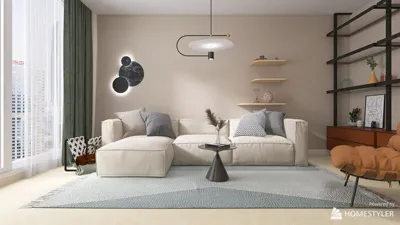


Once, I ordered eight gallons of white paint for a client who wanted a design that felt “brighter but still cozy.” Halfway through the project, I realized the contractor had already primed the walls with a warm beige. This experience taught me a valuable lesson: the significance of color choices and quantities cannot be overstated. To avoid making the same mistake, it's crucial to utilize an effective way to visualize your space and strategize where light will first illuminate the colors.
Small areas can ignite immense creativity, and paint serves as the quickest and most effective medium for transformation. In this article, I'll present five innovative paint ideas that help manage expenses, enhance a room's character, and fit into tight schedules — all drawn from my experiences over the past decade.
1. Accent walls: high impact, low cost
Opting for a single wall painted in a bold color can conserve both paint and labor while still delivering a striking effect. In a standard 12x12 space, you can reduce paint usage by nearly two-thirds compared to painting all walls the same hue, and you’ll typically require only one coat of high-quality paint on the focal wall. However, be mindful of balance; a poorly chosen accent can disrupt the harmony of the room, so it’s wise to pair it with neutral fabrics or incorporate a gallery wall, a technique I’ve used successfully with budget-conscious clients.
save pin
2. Two-tone walls with a horizontal division
Implementing two-tone paint (darker shades below and lighter tones above) creates the illusion of height and effectively masks scuffs on the lower wall area. While slightly more labor-intensive due to the need for tape, this approach allows for savings by using less of the more expensive color. For compact rooms, I usually sketch the split height and furniture arrangement beforehand — this is when I appreciate using a floor planning tool like Homestyler to visualize sightlines and light interactions with each wall.
save pin
3. Paint the ceiling for an unexpected lift
Utilizing a light blue or soft gray on the ceiling creates a more open and spacious feeling in a room, and can be achieved at a minimal cost — typically just an additional quarter to half-gallon, depending on the size of the area. This technique is more economical than adding architectural features and works splendidly in spaces like bedrooms and kitchens. On the downside, using ladders and achieving precise edges means it often takes more time than regular wall painting.
save pin
4. Textured or faux finishes for added character
Faux finishes, such as subtle glazes or sponge techniques, can add depth without requiring expensive materials. I frequently suggest these in rental living rooms where style is desired, but budgets for renovations are limited. While hiring a professional may increase labor costs, experimenting with a tone-on-tone sponge technique yourself can save money — just be sure to test it on a poster board first to avoid an unappealing blotchy appearance.
save pin
5. Refresh trim and cabinetry instead of complete replacements
Giving a fresh coat of paint to baseboards, trim, or kitchen cabinet fronts can feel revolutionary and often costs mere pennies compared to full replacements. In kitchens, I encourage clients to explore visual schemes and select a cabinet color that harmonizes the entire area. The tricky aspect is that thorough prepping and sanding are crucial; neglecting this step can lead to quick wear.
save pin
Budget checklist and quick estimates
Here’s a straightforward budgeting guide I utilize: A gallon of mid-range interior paint ranges from around $30 to $60, primer from $15 to $30, and professional labor prices per room can vary widely — from about $150 for a basic room to over $600 if extensive prep work or high-end finishes are involved. Opting for DIY can lower labor costs but may require more time; hiring professionals facilitates quicker completion and cleaner results. I always suggest purchasing an extra quart for touch-ups — a small, economical safeguard against future blemishes.
save pin
FAQ
1. What is the estimated cost to paint a standard bedroom?
You can expect costs to range from $200 to $800, depending on the size of the room, the quality of the paint, and the prep required. DIY projects will typically fall on the lower end, while professional work with significant prep could elevate the price.
2. How many gallons are necessary for a 12x12 room?
Generally, you’ll need 1–2 gallons for two coats on the walls, plus an additional quart for the trim. Ceilings might require extra paint based on color variations.
3. Is it more economical to employ a painter or to do it myself?
DIYing your project can save on labor costs, but it requires time and may lead to higher expenses if mistakes result in wasted paint. Hiring a professional is advisable for complex prep work or high-end finishes.
4. Is primer necessary?
Using primer is beneficial when covering dark shades, stains, or porous surfaces — it reduces the number of coats needed and enhances the final color accuracy.
5. Can I paint over glossy surfaces?
Yes, provided you properly sand or use a bonding primer. Skipping preparation may lead to poor adhesion and peeling in the future.
6. Which paint finish is best for different rooms?
Satin or eggshell finishes provide a good balance of durability and subtle sheen for living areas, while semi-gloss is optimal for trims and kitchens. Select finishes based on expected foot traffic and ease of cleaning.
7. How long should I wait before moving furniture back?
Allow for 24 to 48 hours for the paint to dry to the touch; however, total curing can take up to 30 days. Always check the drying times specified by your paint manufacturer.
8. Where can I access average cost data?
Websites like HomeAdvisor provide current average costs for interior painting and regional variations; many homeowners spend between $300 and $1,000 to paint a single room, dependent on multiple factors (HomeAdvisor).
save pin
Looking to transform your home? Homestyler is your go-to online home design platform! With its user-friendly design tool, stunning 3D renderings, and a wealth of DIY video tutorials, you’ll have everything you need to create your dream space effortlessly. Start designing today!
Design jetzt kostenlos
































