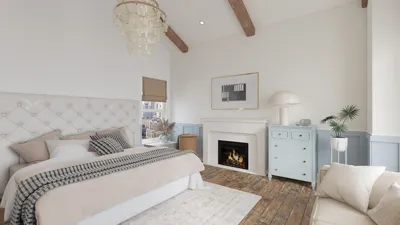


As future lifestyles evolve, the need for reduced friction and intentional design becomes paramount. Today's compact homes often face challenges like limited storage, lack of privacy, and sound disturbances. Recent surveys from the AIA indicate that homeowners are prioritizing versatile spaces over expansive square footage, demonstrating that the design interface is crucial. This specific floor plan for a 30x30 sq yard one-bedroom home with a garage illustrates a thoughtful approach, where I analyze the layout as if it were code, exploring how movement, light, and spatial thresholds can influence daily habits. The future of home design is emerging, and tools like Homestyler help visualize these concepts early on.
Split Axis: Garage as Buffer + Streamlined Living Area
Design Logic: The garage serves as a thermal and acoustic buffer, while the living area and kitchen align on a coherent axis. The bedroom is strategically positioned for tranquility, aligning with the emerging trend of multifunctional spaces.
Flow: The path moves from entry to drop zone, then to the kitchen hub, living area, sliding door, bedroom, and bath—no backtracking, ensuring a smooth flow.
Sightlines: The doorway highlights the kitchen island, offering a long view to the living room window. The bedroom is intentionally off-axis to minimize visual distractions.
Storage: A wall pantry acts as a cache, garage shelving provides bulk storage, and bed platform drawers enhance quick-access options.
Furniture Fit: The island measures 24–30" in depth, with a 72–78" sofa and a queen bed; adequate clearances ensure walkways maintain a width of at least 36" for comfort.
Verdict: This streamlined setup alleviates daily clutter, allowing for peaceful evenings and concentrated mornings.
save pin
Diagonal Light Sweep: Corner Windows + Pivoting Bedroom
Design Logic: The corner windows introduce a diagonal flow of natural light; the bedroom pivots from the living space, balancing privacy with shared brightness.
Flow: Trajectory leads from the garage to a mud bench, then through a galley kitchen to the living hub, pivoting into the bedroom and ensuite bath—looping only as required.
Sightlines: Upon entry, depth layers unfold with the island leading to the sofa and kitchen’s corner glass; a pivot panel in the bedroom disrupts the direct line of sight, acting as a user interface element.
Storage: Overhead garage racks, a hallway linen tower, and a niche wardrobe create organized tiers of storage easily accessible for frequent use.
Furniture Fit: A round table measuring 36–40" in diameter minimizes obstacles, complemented by a low-profile media console and a wardrobe boasting a depth of 24"; the careful tolerances maintain efficient use of space.
Verdict: The light becomes a guiding principle, subtly directing lifestyle; overall, this layout appears flexible, ready for the future, and well-suited for social interaction.
save pin
Courtyard Edge: Micro-Patio + Sliding Doors
Design Logic: A micro-patio extends from the living area, encouraging outdoor activities; sliding doors function as gentle dividers between distinct areas.
Flow: Movement from entry to coat cache, working through the kitchen, into the living space, and onto the patio, eventually leading to the bedroom and bath—with an optional route to the garage.
Sightlines: The eye is drawn through the living area to the greenery of the patio; the bedroom screen effectively maintains the visual hierarchy.
Storage: Benches with toe-kick drawers, a vertical broom pull-out, and a bike rail in the garage provide structured storage for everyday and seasonal items.
Furniture Fit: A compact sectional up to 84" long, a patio bistro set of 30" in diameter, and a bed with 18–20" of side clearance; meticulously designed dimensions ensure functional stability.
Verdict: The patio alleviates indoor tension, offering a ventilated environment suitable for working, relaxing, and small gatherings.
save pin
Final Thoughts
This 30x30 one-bedroom floor plan, complete with a garage, excels by integrating movement, light, and storage into a cohesive living interface. Variations of this design demonstrate that intentionality is more valuable than mere size, with visual and acoustic buffers becoming essential elements. Through my observations, the most innovative homes of the future won't necessarily be larger; they will instead focus on intention. In my projects, I continually notice how minor spatial decisions can significantly transform how individuals experience their homes, making tools like Homestyler invaluable for such considerations.
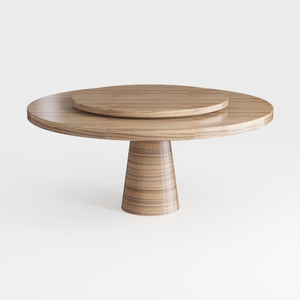
Minimalist Solid Wood Round Dining Table with Lazy Susan 3D Model
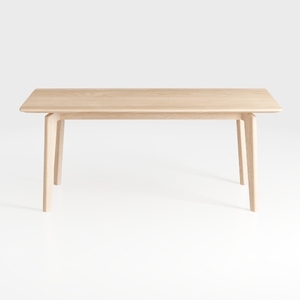
Hymus 100% Solid Oak Wood Desk - Small Writing Des
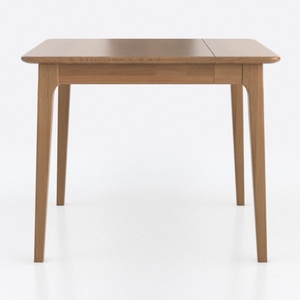
Minimalist Solid Oak Dining Table 3D Model
Discover the creativity of home design with Homestyler! This user-friendly platform offers a powerful online design tool, stunning 3D renderings, and inspiring DIY video tutorials. Whether you're a novice or an expert, Homestyler makes transforming your space easy and enjoyable!
Design Now for FREE
































