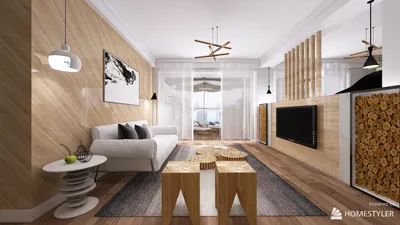


In my experience, a client once requested a bathtub for a mere 30-square-meter apartment, which made me contemplate offering a gold-plated sink instead. This design dilemma imparted a valuable lesson: small living spaces necessitate innovative solutions and creative thinking. In this piece, I will introduce five small one-bedroom home designs that I’ve implemented or modified in real projects, demonstrating how clever layouts can transform limitations into appealing features.
1. Open Living with Sleeping Nook
This layout eliminates the conventional bedroom setup, replacing it with a cozy sleeping nook adjacent to the main living area. By incorporating a built-in wardrobe and a sliding panel, privacy can be achieved when needed. The benefit of this arrangement is a bright and spacious ambiance with adaptable furniture placement; however, managing sound and light can be a challenge, which can be effectively addressed through the use of a translucent screen and layered textiles.
save pin
2. Corridor-Free Compact Design
Removing dead-end hallways increases usable space. I once redesigned a narrow one-bedroom apartment by aligning the kitchen, bathroom, and storage along one wall, forming a seamless living area. This design is not only efficient but also cost-effective; however, it requires thoughtful planning of door swings and storage to prevent clutter. Utilizing shallow cabinets and vertical storage solutions can be extremely beneficial.
save pin
3. Split-Level Loft Solution
If ceiling height permits, incorporating a mezzanine for the bed can significantly enhance the design. I transformed a 3.6-meter-high apartment into a stylish loft, with the lower level serving as the living and kitchen area and the upper level as the bedroom. The advantages include clearly defined zones and intriguing visual perspectives. The downside is that stairs can occupy floor space and may present challenges for those with mobility issues; integrating built-in drawers below the steps for additional storage can help mitigate this.
save pin
4. Multifunctional Kitchen Center
Position the kitchen as the heart of the home, combining social, storage, and functional areas. I designed a galley kitchen that doubles as a workspace, dining area, and laundry spot by stacking appliances and integrating a fold-down table. This approach optimizes functionality in a limited area, though it requires meticulous organization; using magnetic strips and clear storage containers can streamline everyday activities.
save pin
5. Integrated Courtyard or Balcony Layout
Adding even a modest balcony or internal light shaft can transform a one-bedroom apartment into a more spacious abode. I once convinced a client to forgo some interior space for an exterior pocket space, resulting in abundant natural light, greenery, and a cozy area for morning coffee. While this arrangement might expose occupants to the elements and privacy issues, strategically positioned screens and plant arrangements can address these concerns.
save pin
Tips 1:
As a practical budget tip, investing in built-ins and smart storage solutions often yields greater value than high-end finishes. I typically start by focusing on layout and storage, then enhance the aesthetics. For those looking to visualize quick design concepts, utilizing a room planner like Homestyler can be an excellent way to draft ideas before proceeding with any renovations.
save pin
FAQ
Q1: What is the optimal size for a functional one-bedroom apartment?
A1: A comfortable one-bedroom typically ranges from 35 to 60 square meters, contingent upon the layout. Thoughtful planning can make compact units feel more spacious by optimizing both storage and sightlines.
Q2: How can I achieve privacy without a full bedroom wall?
A2: Consider using sliding doors, curtains, or half-height partitions along with wardrobes. These options create separation while allowing natural light to flow and maintaining visual openness.
Q3: Are loft beds suitable for one-bedroom apartments?
A3: Absolutely, loft beds are an excellent choice if the ceiling height permits (generally 3.2 meters or more). They create distinct areas but require safe access and may not be ideal for everyone.
Q4: What are some affordable ways to increase storage?
A4: Consider installing floor-to-ceiling shelving, drawers under the bed, and recessed niches. Custom built-ins can maximize space and be implemented gradually to manage costs.
Q5: Can open-plan designs still maintain a sense of privacy?
A5: Certainly — zoning using rugs, lighting techniques, and furniture arrangement can establish perceived boundaries without the need for full walls.
Q6: How can I enhance natural light in a compact apartment?
A6: To improve natural light, maximize window openings, utilize light-reflective materials, and opt for glazed partitions to allow daylight to permeate between spaces.
Q7: Where can I find reliable information on small home design standards?
A7: Official building codes and resources like the International Residential Code (IRC) offer authoritative dimensions and safety guidelines — consult the IRC for detailed information.
Q8: Is hiring a designer beneficial for a small one-bedroom?
A8: Yes, engaging a designer can help you sidestep expensive errors and unlock innovative storage and layout strategies that enhance comfort and boost property value.
save pin
Homestyler is your go-to online home design platform! With its user-friendly design tool, stunning 3D renderings, and a wealth of inspiring design projects and DIY video tutorials, you can effortlessly create and visualize your dream space. Transform your home today!
Progetta ora GRATIS
































