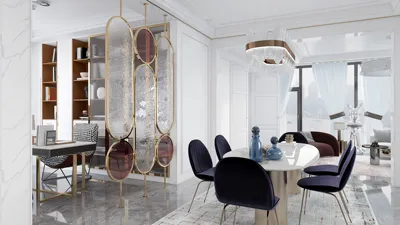


One of the most amusing experiences I've had was when a client inquired about designing their office lobby to resemble both "a cozy living room and a spaceship." Standing there, I found myself challenged to figure out how to blend these two distinct aesthetics. Small areas like lobbies often inspire innovation, compelling us to combine different styles, functionalities, and vibes. Today, I’m excited to present 10 creative lobby design concepts based on my extensive experience, with the hope that you'll discover an enticing mix of comfort and flair for your space. And yes, I still ponder that spaceship couch idea.
1. Eye-catching Reception Desk
The reception desk serves as the initial greeting for visitors. Utilizing striking materials such as marble or rich wood veneers can create a lasting impression. It’s important to incorporate sleek lines along with concealed cable management to keep the area organized. In the past, I’ve successfully employed a room planner to achieve the perfect proportions without cluttering the surrounding space.
2. Layered Lighting
A lobby can appear dull without the right lighting. I favor combining ambient lighting with targeted spotlights to highlight artwork or architectural features. However, one must be cautious — excessive lighting types can create chaos, so it’s best to limit to two or three styles for a balanced look.
3. Functional Greenery
Incorporating plants isn’t solely for aesthetics; it enhances air quality and alleviates stress. In compact lobbies, slender tall plants are preferable to bushy varieties as they create an illusion of height without taking up valuable floor area.
4. Versatile Seating Areas
Visitor needs vary — some prefer conversation while others opt for silence. By designing zones with a combination of lounge chairs and benches, my projects have successfully catered to different preferences. Utilizing a user-friendly floor plan creator has helped me visualize movement patterns before making furniture purchases.
5. Unique Feature Wall
I once crafted a custom slat wall that provided both acoustic benefits and branding opportunities. Whether it’s vivid paint, 3D panels, or a living wall, a feature wall can become a dramatic focal point for the lobby. The key is to avoid overcrowding the rest of the space — let the wall shine on its own.
6. Seamless Technology Integration
Large interactive screens or digital directories can be incredibly effective, but it’s essential to conceal wiring and match frames to the overall design. I appreciate when technology feels seamlessly woven into the architectural design rather than appearing like an afterthought.
7. Multi-functional Furniture Pieces
Benches with hidden storage or ottomans that double as tables are excellent for maximizing space and ensuring the lobby remains organized. These features are invaluable in smaller lobbies where each square meter must be put to good use.
8. Mirrors to Create Depth
Using mirrors or reflective finishes can make a compact lobby seem significantly larger. I implemented this in a downtown office with a lobby that was only 3 meters deep, and the result was a notably more spacious feel. For optimal effect, position mirrors across from natural light sources like windows or glass doors.
9. Art as a Conversation Starter
Rotating art installations can keep the lobby dynamic and encourage repeat guests to discover something new. I often collaborate with local colleges for budget-conscious, authentic artwork. On one occasion, a mural initiated such an engaging conversation that it nearly delayed a meeting.
10. Effective Wayfinding
Well-designed signage can significantly enhance the comfort of visitors. Employing minimalist icons, subtle lighting, and thoughtful placement at key decision points can vastly improve navigation. I once utilized an office layout planner to determine the best locations for signs, enabling intuitive wayfinding for guests.
FAQ
1. How can I make a small office lobby feel larger?
Incorporate light colors, mirrors, and vertical design elements to create a perception of increased space.
2. What type of seating works best for an office lobby?
Blend lounge chairs with benches or modular seating to cater to various visitor preferences.
3. Is a reception desk necessary in a lobby?
Not always — some contemporary offices opt for self-check-in kiosks or open lounge areas instead.
4. What is the impact of lighting on lobby design?
Appropriate lighting highlights architectural features, sets a mood, and facilitates navigation within the area.
5. How frequently should I refresh my lobby design?
Minor updates should occur every 1–2 years to keep the lobby feeling contemporary, while major redesigns can be spaced 5–7 years apart.
6. What is the current trendiest feature in lobby design?
Biophilic design, which integrates natural elements, continues to be highly favored in 2024 (Source: International WELL Building Institute).
7. How do I select artwork for my lobby?
Choose pieces that align with your brand's values and colors; collaborating with local artists or showcasing rotating exhibits adds an engaging element.
8. What flooring is suitable for high-traffic lobbies?
Resilient materials such as porcelain tile, terrazzo, or sealed concrete work effectively while being easy to maintain.
Discover your home’s potential with Homestyler! This user-friendly online design tool offers stunning 3D renderings, a wealth of design projects, and helpful DIY video tutorials. Whether you’re a novice or a pro, bring your interior design dreams to life effortlessly!
Design Now for FREE
































