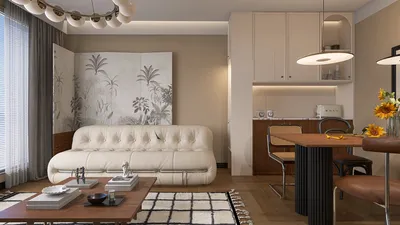


On one occasion, I attempted to maneuver a large king-size headboard through a tight stairway because my client insisted that their bed needed to be "architecturally dramatic" — quite the spoiler alert: the headboard didn't make it. This unfortunate event highlighted that practical and thoughtful design tends to triumph over statement pieces, particularly in compact bedrooms. For anyone interested in a real-world representation of an innovative bedroom design, I utilized Homestyler to create a layout that emphasizes clear zoning and storage options.
1. Integrate Nature with Textures
I enjoy combining natural textures — such as linen drapes, a jute rug, and a reclaimed wooden nightstand — to make a room feel grounded without being overpowering. This approach is cost-effective and forgiving: linen diffuses light beautifully yet wrinkles in an appealing way, and while natural fibers can be trickier to maintain than synthetics, incorporating washable layers near areas intended for sleep is a smart strategy.
save pin
2. Soft, Layered Lighting
A combination of ambient, task, and accent lighting is essential for creating the perfect mood in a bedroom. I often mix warm recessed lights with hanging bedside lamps and a dimmable floor lamp; the challenge lies in concealing cords and keeping nightstand surfaces uncluttered, which is exactly why I prefer wall-mounted reading lights in smaller spaces.
save pin
3. Neutral Color Scheme with a Singular Natural Highlight
A serene, neutral color scheme can visually expand a small bedroom, while introducing one striking natural element — such as a large potted philodendron or a woven headboard — allows it to take center stage. To see how colors and textures interact, I often create a quick mockup in Homestyler; a visual 3D representation of a cozy bedroom helped one client opt for a softer beige instead of a stark gray.
save pin
4. Thoughtful Storage Solutions That Evoke Serenity
Incorporating under-bed drawers, a shallow built-in wardrobe, and open shelving that can also serve as display areas keeps the space organized and inviting. Though built-ins may require a higher initial investment, they conserve space and streamline the visual impact. My guideline is to keep frequently used items easily accessible and reserve higher cabinets for seasonal items.
save pin
5. Optimize Windows, Ventilation, and Minimal Treatments
Enhancing natural light and airflow can transform a space — I even rearranged a room's layout to position the bed for optimal cross-ventilation, making it feel like an entirely new apartment. Avoid heavy curtains; sheer layers or motorized shades provide privacy while still allowing daylight in. Using AI-driven home design tools like Homestyler has assisted clients in balancing both privacy and views, especially in challenging corner units.
save pin
FAQ
Q1: What are some simple natural bedroom concepts for renters?
A1: Consider using removable peel-and-stick wallpaper with a soft, natural design, layering washable linens, and introducing lightweight potted plants. Temporary shelving and multi-functional furniture ensure a reversible and renter-friendly setup.
Q2: How can I create the illusion of a larger bedroom naturally?
A2: Stick with a light, neutral color palette, elevate the bed for better floor visibility, and implement mirrors to reflect natural light. Decluttering and selecting multi-purpose furniture are straightforward yet impactful changes.
Q3: Which materials offer the best natural ambiance?
A3: Fabrics like linen, cotton, and wool, along with jute and lightly treated wood, convey a natural warmth. While they might require more maintenance compared to synthetics, their breathability and texture make them worthwhile.
Q4: How crucial is mattress positioning for airflow?
A4: Extremely; placing the bed to maximize cross-ventilation can enhance sleep quality and diminish stuffiness. Even minor adjustments, such as angling the bed or opening an additional window, can be quite effective.
Q5: Do real plants truly enhance bedroom air quality?
A5: Plants can elevate perceived air quality and humidity levels, but they are not substitutes for proper ventilation. If you're not particularly green-fingered, opt for low-maintenance species like snake plants or pothos.
Q6: What color temperature of lighting is best for sleeping spaces?
A6: Warm color temperatures ranging from 2700K to 3000K cultivate a calming environment in bedrooms, while cooler tones serve better for task-oriented areas. Employ dimmers to adjust the ambiance throughout the evening.
Q7: Are there scientifically-backed strategies for improving sleep environments?
A7: Certainly — established guidelines from organizations like the National Sleep Foundation advocate for a cool, dark, and quiet bedroom to facilitate sleep (visit sleepfoundation.org for detailed recommendations). Simple adjustments, such as blackout shades and maintaining a consistent temperature, can have a significant impact.
Q8: How can I achieve a natural look on a budget?
A8: Focus on high-impact elements like the quality of the mattress and window treatments first, then add affordable accents such as thrifted wooden pieces, DIY headboards, or interchangeable pillow covers. I often guide my clients to prioritize comfort for sleeping before layering in decorative elements.
save pin
Discover the joy of home design with Homestyler! This user-friendly online platform offers an intuitive design tool, stunning 3D renderings, and a wealth of DIY video tutorials. Whether you're a novice or an experienced designer, Homestyler empowers you to create your dream space effortlessly.
Design Now for FREE
































