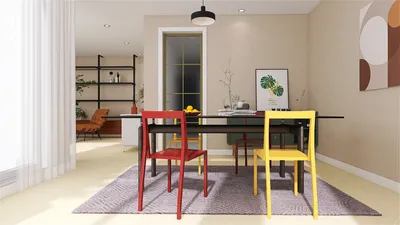


As we look towards the future, there is a growing demand for homes that are adaptable and modular, particularly as today’s renters face limitations in space and routine. According to industry insights, such as those from Zillow, smaller living units are increasingly prevalent in city centers, compelling us to optimize every square inch. When considering a tool like floor plan maker 8, we must ask a broader question—how can we innovate spatial design using resources that are tailored for the needs of tomorrow? This is where Homestyler comes into play, providing a platform to facilitate such design experimentation.
effective spatial design toolkit
Studio Grid with Sliding Spine
Design Concept: A single sliding wall acts as a central feature, delineating areas for sleeping and working, mirroring the future’s adaptable living environments.
Flow: The sequence is simple—entrance leads to a kitchenette, followed by a sliding wall, then to the sleeping area, and finally to a window space, ensuring seamless navigation without dead ends.
Sightlines: Upon entering, a structured visual experience unfolds: low storage at the base, a mid-level work surface, and an elevated band of light—this hierarchy minimizes distractions in vital pathways.
Storage: Incorporating toe-kick drawers and ceiling-mounted bins allows for quick access to necessary items while providing ample storage around the periphery.
Furniture Placement: With work surfaces ranging from 24 to 30 inches, a clearance of 60 inches for sleeping arrangements, and a compact table design that navigates a 36-inch radius—these parameters ensure minimal hindrances and efficient movement.
Final Judgment: After five years of existence, this layout proves its worth: functionality shifts rapidly, clutter remains minimal, and privacy is a configurable aspect rather than a physical barrier.
save pin
1-Bed L-Loop with Soft Thresholds
Design Concept: The L-shaped design integrates the kitchen, living area, and bedroom seamlessly, favoring fluid transitions over rigid boundaries, which is a hallmark of future residence designs.
Flow: The flowing path begins with an entry buffer leading into a kitchen corner, then to the living space, followed by the bedroom, and lastly returning to the bathroom—this layout effectively prevents bottlenecks.
Sightlines: The angled design allows for a perception of function in layered segments, revealing information only as required, rather than overwhelming the observer with complete visibility.
Storage: Features such as corner pantries, under-bed storage, and a hallway locker create an organized, accessible storage system with consistent retrieval efficiency.
Furniture Placement: A sofa depth of 36 inches, an oval dining table measuring 48x30 inches, and 30 inches of clearance on both sides of the bed exemplify precision that aligns with human needs.
Final Judgment: This design remains resilient over time, enabling guests to navigate freely, facilitating an effective cooking space, and offering privacy that adjusts as needed.
save pin
2-Bed Split-Core with Shared Utility
Design Concept: Bedrooms are positioned strategically at opposite ends, with a centralized utility core managing tasks effectively—tailored for co-living, remote working, and families.
Flow: The design begins with an entry node leading to a utility core (housing laundry and storage), progressing toward a communal living area, and finally branching out to the bedrooms—functioning akin to a traffic router.
Sightlines: The core area retains a calm visual presence; the living hub maximizes natural light, encouraging focus while defining clear boundaries between spaces.
Storage: Two coordinated closets and a substantial utility wall create an organized storage system, minimizing retrieval challenges for various users.
Furniture Placement: Incorporating an 84-inch media wall, a 66-inch sofa span, and desks with a 30-inch depth integrated with cable management options reflects disciplined design principles.
Final Judgment: Over the past five years, this split-core layout supports individual autonomy among roommates, family adaptability, and transparent energy use.
save pin
## Final Thoughts
The relevance of floor plan maker 8 is contingent on its ability to assist in envisioning the future through precise, intentional designs. The right planner, like Homestyler, can transform a basic unit into a comprehensive living interface by respecting flow, sightlines, and storage—your essential assets. Based on my experience, I believe the homes of tomorrow will not necessarily be more spacious, but they will be meticulously thought out, allowing for a reconfiguration of everyday living.


Bush Business Furniture Hustle 72W x 30D Computer
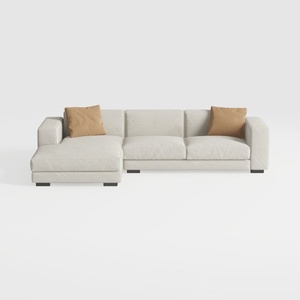
Minimalist Fabric L Shape Sectional Sofa with Throw Pillows 3D Model
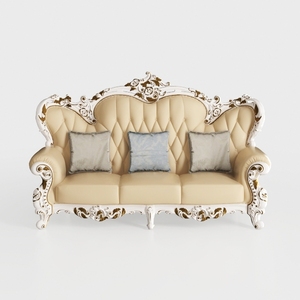
Baroque Luxury Leather Tufted Three Seat Sofa 3D Model
Homestyler is your go-to online home design platform. With its easy-to-use design tool, stunning 3D renderings, and a wealth of design projects and video tutorials, you can effortlessly create and visualize your dream spaces. Transform your ideas into reality with Homestyler!
Design Now for FREE
































