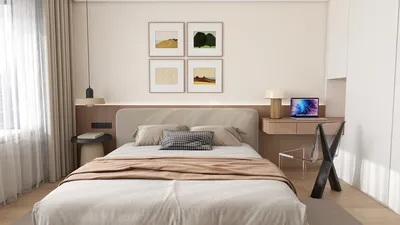


As an experienced designer specializing in residential interiors for over ten years, I understand that window treatments significantly influence the ambiance of a living room. Recently, modern blinds for living rooms have evolved beyond mere functionality; they are now crucial components of style. I've often noted that smaller spaces can ignite creativity, particularly when selecting blinds that enhance both visual appeal and practicality. In this article, I’ll explore 10 innovative blind ideas for living rooms that I've successfully implemented for clients, blending personal anecdotes with professional insights supported by Homestyler.
1. Minimalist Roller Blinds
My Experience: In a compact urban loft, I opted for sleek, matte roller blinds, which created an uncluttered and airy atmosphere. This choice is ideal for clients who appreciate simplicity and clean lines.
Advantages: Minimalist roller blinds beautifully complement modern layouts and are a breeze to clean. According to Architectural Digest, their sleek design can visually elevate a room.
Drawbacks: These blinds have limited options for light control — you mainly have open or closed, with minimal adjustments in between.
2. Sheer Horizontal Shades
My Experience: In one project, sheer shades allowed soft sunlight to filter into a south-facing living room while preserving privacy. The dance of light and shadow was enchanting.
Advantages: They provide diffused natural light while maintaining a level of privacy, making them perfect for smaller living rooms that crave brightness.
Drawbacks: They do not offer complete blackout capabilities, and dust may be more visibly apparent on lighter fabrics.
Tip: Pair them with side panels for additional nighttime coverage.
3. Wooden Venetian Blinds
My Experience: I once installed walnut-finished Venetian blinds to add warmth to a sleek, modern home. The texture immediately enhanced the cozy feel of the space.
Advantages: With adjustable slats, you enjoy excellent light control, and the natural material contributes warmth. They also harmonize well with wooden elements, creating a welcoming atmosphere.
Drawbacks: Wood can warp in highly humid conditions, so it’s best to steer clear of these in particularly damp climates.
4. Textured Vertical Blinds
My Experience: In a high-ceiling apartment, I used textured vertical blinds to accentuate the height and add subtle patterns. They almost became a form of art in the room.
Advantages: These are perfect for large windows or sliding doors, creating a striking elongated visual effect.
Drawbacks: If the material or color feels outdated, they may detract from the room's appeal — opt for modern textures.
5. Bold Fabric Roman Blinds
My Experience: A client desired a splash of color without the hassle of repainting, so we chose vibrant Roman blinds that became the room's centerpiece.
Advantages: They offer a beautiful way to infuse color and softness into a space; as noted by Elle Decor, they can warm up minimalist designs.
Drawbacks: Over time, strong sunlight can fade the material, so consider lining to prolong their lifespan.
6. Bamboo Matchstick Blinds
My Experience: Installed in a coastal-themed home, these blinds exuded a breezy, casual vibe.
Advantages: Eco-friendly and lightweight, they filter light beautifully, creating intriguing patterns indoors.
Drawbacks: They offer limited privacy at night; adding a secondary curtain may be necessary.
7. Motorized Smart Blinds
My Experience: Recently, I installed app-controlled blinds for a tech-savvy couple. They appreciated the convenience of adjusting light settings from their couch.
Advantages: These offer unmatched convenience and can be programmed to enhance energy efficiency.
Drawbacks: The higher cost and reliance on power or Wi-Fi can be a drawback; if the motor fails, it can cause inconvenience.
Additional Note: They are excellent candidates for integration into smart home design strategies utilizing Homestyler.
8. Layered Blinds with Curtains
My Experience: For a client seeking versatile solutions, we layered blinds with sheer curtains, achieving practicality by day and luxurious elegance by night.
Advantages: This combination maximizes privacy while adding visual depth to window designs.
Drawbacks: It requires more budget and space around the window area.
9. Patterned Roller Blinds
My Experience: In a rental where painting wasn't an option, I used patterned blinds to add artistic flair.
Advantages: They allow you to express personal style and are particularly effective in neutral spaces.
Drawbacks: If the room already boasts multiple patterns, these can overwhelm the design.
10. Cellular Honeycomb Shades
My Experience: I've incorporated these into energy-efficient homes, as they provide excellent insulation along with a contemporary look.
Advantages: Their unique structure significantly reduces heat gain or loss, as supported by studies from the U.S. Department of Energy. They also bring a sleek, modern aesthetic.
Drawbacks: Cleaning can be challenging since dust accumulates within the cells; choosing colors that mask imperfections is advisable.
Tip: These blinds pair beautifully with designs created through 3D floor planning tools like Homestyler, particularly with light oak coffee tables for a cohesive look.
Conclusion
Just because your living room is small doesn't mean you must compromise on style. Modern window blinds can serve as your secret weapon to blend functionality with flair. As highlighted by House Beautiful, the right selection can even alter how proportions are perceived within a room. Which of these design ideas from Homestyler would you be excited to implement?
Frequently Asked Questions
Q1: What are the most contemporary blinds for a living room?
A: Minimalist roller blinds, motorized smart blinds, and cellular shades are trendy options that merge sleek aesthetics with practicality.
Q2: Are blinds more advantageous than curtains for compact living areas?
A: Generally, yes. They tend to occupy less physical and visual space, allowing for a cleaner, less overwhelming appearance.
Q3: Do wooden blinds suit modern interiors?
A: Absolutely, especially when paired with a minimalist or Scandinavian design. Look for inspiration with warm wooden finishes.
Q4: What's the best way to clean modern blinds?
A: Usually, a soft cloth or vacuum attachment will suffice, but for fabric blinds, always refer to the manufacturer's care instructions to avoid damage.
Q5: Can blinds enhance room insulation?
A: Definitely — cellular honeycomb shades are particularly effective, as indicated by research from the U.S. Department of Energy.
Q6: What’s the price range for motorized blinds?
A: Depending on size and added features, you can expect costs to range from $300 to $1,000 per window. More sophisticated systems can integrate with home automation systems.
Q7: Are sheer blinds practical?
A: They are excellent for diffusing light and providing privacy without total darkness but may not meet the needs for complete blackout.
Q8: Should blinds match the wall color?
A: This largely depends on your personal style. Matching can create a seamless effect, while contrasting can infuse visual interest and offer focal points.
Homestyler is your go-to online home design platform, perfect for transforming your ideas into reality. With its user-friendly design tool, stunning 3D renderings, and a wealth of inspiring design projects and video tutorials, you'll effortlessly create your dream space—no prior experience needed!
Design jetzt kostenlos
































