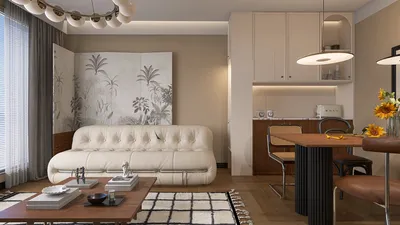


Once, a client requested that I create a dining area reminiscent of 'Mad Men', but the challenge was its dimensions—barely ample enough for a yoga mat. This experience highlighted a key lesson: small spaces can ignite creativity rather than stifle it. In fact, mid-century design, known for its clean lines and efficient use of space, is ideal for compact dining areas. Here, I’m excited to share my top 10 strategies for achieving this effortlessly, influenced by my personal projects and trials, including utilizing tools like Homestyler for effective planning.
1. Opt for a Circular Table
In constrained environments, a round table facilitates smooth traffic flow and fosters intimate conversations. I once seamlessly placed a walnut pedestal table into a corner that couldn’t even accommodate a folding chair. The magic of choosing the right shape is remarkable—especially when using a design tool to visualize proportions, such as Homestyler.
2. Combine Vintage and Modern
Embrace the charm of pairing a thrifted teak sideboard with modern upholstered chairs. This combination adds warmth without causing overcrowding. I’ve discovered that just one standout vintage item can stabilize the entire dining area’s aesthetics.
3. Choose a Warm, Neutral Color Palette
Colors like warm woods, beige, or cream, coupled with brass accents, can create an engaging yet spacious atmosphere. In small rooms, an excess of bold colors can tend to visually shrink the space.
4. Select Slim Profile Chairs
I advocate for mid-century chairs featuring open backs—such as Eames or wishbone designs. Their airy feel ensures they don’t occupy much visual space.
5. Utilize Floating Storage Solutions
Rather than using bulky cabinets, consider a floating credenza. This mid-century essential liberates floor space, giving your room a neat appearance.
6. Make a Statement with Lighting
A sputnik chandelier or a globe pendant can draw attention upwards, adding vertical interest to the room. Just keep an eye on ceiling height to maintain a cozy atmosphere instead of a claustrophobic one.
7. Incorporate Artwork to Define the Mood
Abstract art or retro posters can instantly evoke a 60s ambiance. Scale is crucial—oversized pieces may overwhelm while undersized ones can get lost. I often utilize digital tools like Homestyler to ensure perfect scaling before finalizing.
8. Consider Built-in Bench Seating
For tight seating areas, a built-in bench along one wall can conserve space and provide additional storage. I’ve transformed many an awkward alcove into a mid-century inspired nook, which often turns out to be a client favorite for breakfast.
9. Integrate Houseplants
Mid-century spaces thrive with indoor plants. Opting for tall, slender varieties like snake plants breathes life into the room without demanding too much floor area.
10. Experiment with Textures
Combine smooth walnut surfaces with textured linens and perhaps a soft rug under the table to establish warmth. This contrast allows the area to feel layered, not cluttered. For tricky corners, I often draft layouts using a kitchen planner like Homestyler to effectively repurpose adjacent spaces.
Frequently Asked Questions
Q: Can mid-century decor work in spaces with low ceilings?
A: Absolutely—go for horizontal lines in your furniture selections and steer clear of tall, cumbersome pieces to keep the area feeling open.
Q: Should I invest in all vintage pieces or mix in new ones?
A: A mix often proves to be more practical; it maintains a fresh look and typically is more budget-friendly.
Homestyler is your go-to online home design platform that makes creating stunning interiors a breeze. With its user-friendly design tool, vibrant 3D renderings, and a wealth of DIY video tutorials, you can effortlessly transform your space and unleash your creativity!
지금 무료로 디자인하세요
































