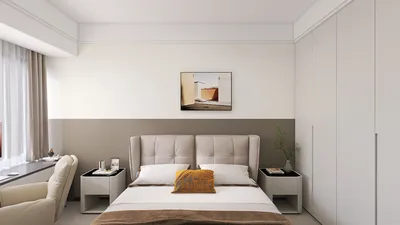


The future of living emphasizes simplifying complexity into more manageable spaces, while today’s renters contend with sound transmission issues, storage challenges, and disjointed daily routines. Recent reports from the AIA indicate a significant surge in demand for adaptable multi-use environments, suggesting that a 30m² apartment layout might be a glimpse into how we will blend work, rest, and social interactions seamlessly. As trends evolve, I find myself already designing with these considerations in mind, utilizing tools like Homestyler to visualize these concepts effectively.
Data from Zillow on compact living units suggests that the issue is not primarily the size of the space, but rather the clarity of the signals within it—how the layout accommodates light, movement, and storage solutions. I approach each square meter as if it were bandwidth, optimizing every wall as if it served as a functional permission layer.
Studio Spine with Convertible Core
Design Principle: By placing a multifunctional core—such as a Murphy bed and folding table—at the center, this layout facilitates the merging of day and night activities from a single point. This design anticipates the rise of hybrid work models and casual social gatherings.
Layout Flow: The flow progresses from entry to a storage wall, then to the core, and finally to the window area. This design stacks routines efficiently, minimizing unnecessary backtracking.
Sightlines: The open axial sightline from the entrance to the windows allows for privacy management through sliding panels, which can soften the interface without sacrificing natural light.
Storage Solutions: A full-height storage system along one wall (600mm deep with variable modules), an overhead bridge above the entry, and toe-kick drawers add practical micro-storage options.
Furniture Specifications: API constraints include a 1600mm sofa, a 900mm foldable table, and a Murphy bed measuring 1500mm, all while maintaining an 800mm clearance around the core.
Conclusion: This design approach allows the studio to function like a multi-threaded system—capable of being both quiet when unoccupied and expansive when needed.
save pin
Diagonal Light Rail One-Bed Layout
Design Principle: Positioning the living and kitchen areas toward the lightest facade creates diagonal lines that enhance perceived space while accommodating future circadian rhythms.
Layout Flow: The sequence begins at the entry node, leading through a galley kitchen to the living area, followed by a cozy bedroom space. Each transition is planned to avoid chaos and ensure clarity.
Sightlines: The oblique views intertwine immediate tasks with distant light, creating a pleasant hierarchy that helps maintain a calm atmosphere even during busy times.
Storage Solutions: A corner pantry acts as the primary storage, with a bed that lifts for seasonal items and hallway niches for everyday essentials.
Furniture Specifications: Designed for efficiency, the layout includes a 1400mm bed, 450mm dining stools neatly stored beneath a 600mm counter, and a 1200mm loveseat that fits perfectly.
Conclusion: By applying diagonal principles, this design elevates the small apartment's functionality, making a 30m² space feel broader and more accommodating.
save pin
Looped Micro-Zones with Sliding Protocols
Design Principle: This concept includes four interconnected micro-zones—cooking, working, lounging, and sleeping—connected via sliding doors, catering to the evolving needs of remote work environments that require quick context shifts.
Layout Flow: The layout guides you through an entry point to a work niche, followed by the cooking area, a lounge space, and finally a sleeping area. This circulatory design prevents dead ends and keeps activities in sequence.
Sightlines: Translucent panels provide essential information without overwhelming exposure, resembling fade notifications instead of disruptive alerts.
Storage Solutions: Features such as ceiling-mounted shelving, a vertical broom closet, and a 300mm deep rail above the sofa create numerous small storage options that maximize space efficiency.
Furniture Specifications: Key dimensions include a desk measuring 1000×500mm, a compact two-burner stove, and a 700mm round table, all fitted to allow for a corridor width of 750–800mm for ease of movement.
Conclusion: The sliding protocol turns the living space into a dynamic interface that mitigates noise while enhancing flexibility and responsiveness.
save pin
Final Takeaway
A successful 30m² apartment design functions as an interface rather than merely a shell, skillfully guiding light, movement, and storage with purpose. In contemporary small studio layouts, elements like diagonals, adaptable cores, and sliding features emerge as standards of future home design rather than mere adaptations. The most innovative micro-units may not need to be larger, but rather more intentional in their configurations—an approach that I have found can significantly enhance daily living experiences, often even facilitated through tools like Homestyler.
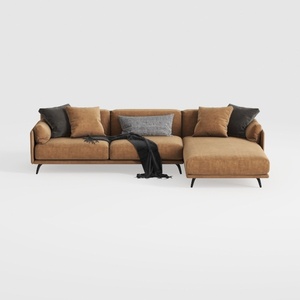

Coaster Home Furnishings - Camacho - Upholstered C

Round Dining Table Set for 4, Kitchen Table and
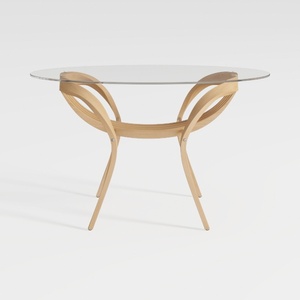
33 in. Natural Medium Round Glass Coffee Table
Discover the joy of home design with Homestyler! This user-friendly platform offers a powerful online design tool, stunning 3D renderings, and a wealth of design projects. Plus, you’ll find helpful DIY video tutorials to inspire your creativity. Transform your space effortlessly!
Zaprojektuj teraz za darmo
































