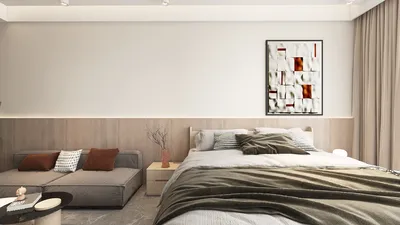


In one of my projects, a client wanted the twin room to have the essence of a secret clubhouse rather than feeling like just a typical bedroom. To achieve this, I designed the space with an L-shaped arrangement, allowing the two children to claim it as their own little kingdom. Through this design, I discovered how effective L-shaped layouts can be in making small spaces both functional and enjoyable, showcasing how even minor layout choices can significantly impact day-to-day activities.
Creativity thrives in compact areas, and I want to introduce you to five L-shaped twin bed designs that I have successfully implemented in various projects. I will explain their advantages, challenges, and provide useful tips to avoid common issues. By utilizing tools like Homestyler, you can visualize your desired layout before making any purchases, saving both time and potential mistakes.
1. Lofted L-shape: bed on high, play or study area below
One of my preferred designs involves lofting one twin bed along a wall while placing the second one perpendicular underneath, serving as a low daybed. This setup functions brilliantly to create a study nook or play zone beneath the raised bed, making it an ideal solution for siblings who need separate sleeping spaces in a multifunctional room.
Pros: makes excellent use of vertical space and establishes distinct areas. Cons: requires safe access and adequate ceiling height; incorporating ladders and guardrails can increase costs. Budget-friendly advice: consider using open slatted designs and DIY shelving to minimize expenses without compromising on safety.
save pin
2. Built-in corner L: combined beds and storage solutions
Incorporating the L-shape into a corner with built-in shelving and drawers effectively transforms underutilized corner space into valuable storage and sleeping areas. I’ve created these solutions for clients seeking a tidy, custom appearance with minimal visible clutter on the floor.
Pros: provides seamless storage and a tailored fit. Cons: less adaptable for future reconfigurations; custom carpentry can raise the overall budget. I often recommend modular cabinets for achieving the desired aesthetic now while allowing flexibility for the future.
save pin
3. Trundle and pull-out L: immediate sleep space, easy storage
For smaller rooms, I frequently pair an L-shaped twin setup with a trundle bed that neatly slides under the perpendicular bed. This solution is perfect for sleepovers while keeping the space organized and manageable during the day. It’s both a straightforward and kid-friendly option.
Pros: relatively low initial investment and versatile; Cons: limited mattress height on trundles may affect breathability. I suggest creating a quick sketch of your room layout to ensure the trundle can easily navigate around doors and wardrobes before making any purchases.
save pin
4. Low bed with corner storage: utilizing space effectively
If you prefer low profiles for beds, position one twin in the corner and create a low storage unit that runs perpendicularly. This way, the other twin is placed at a 90-degree angle. Incorporating drawers, cubbies, and a surface for a lamp ensures every bit of space is functional.
Pros: extremely accessible, ideal for younger children, and maintains a neat appearance during the day. Cons: potential noise from drawers opening at night and limited space between beds. Implementing soft-close mechanisms and recessed handles may mitigate issues.
save pin
5. Foldable and modular L: adapt as children age
In my designs, I have utilized foldable desks and wall-mounted beds to establish an L-shaped configuration that can easily switch roles: serving as a homework station by day and transforming into two full beds by night. Modular furnishings allow the room to change with the family’s needs, which is a huge advantage for parents.
Pros: offers the highest degree of flexibility and value over time. Cons: mechanical components can add to both cost and maintenance. For families developing a multifunctional room, I recommend starting with modular shelving and integrating the wall bed later as budget permits. In compact kitchens and adjoining corners, consider merging these principles with smart layout planning for optimal traffic flow.
save pin
FAQ
Q1: Are L-shaped twin beds suitable for siblings?
Yes, I generally recommend them, as they create individual sleeping areas while still leaving ample floor space for play activities. It’s essential to ensure that each bed has a clear walk space of at least 30–40 cm at the ends for easy access.
Q2: What ceiling height is required for a lofted L-shaped bed?
For comfort and safety, make sure there is at least 90–100 cm of headroom above the loft mattress; more space is preferable for sitting comfortably. Lower ceilings may create a cramped feeling and diminish functionality.
Q3: Can an L-shaped twin layout fit in rooms under 9 sqm?
Absolutely, using compact furniture options like trundle beds or low-profile designs and built-in storage maximizes the potential of smaller spaces. Be sure to measure your furniture dimensions in advance—either on paper or digitally—to avoid any unexpected issues.
Q4: Are lofts and elevated beds safe for children?
Yes, they can be safe if designed and used properly: ensuring guardrails on all exposed sides, sturdy ladders, and mattresses that allow for adequate headroom. For specific safety recommendations, refer to the U.S. Consumer Product Safety Commission’s bunk bed standards at https://www.cpsc.gov/. They are a reliable resource for construction and usage guidelines.
Q5: What is the ideal mattress thickness for L-shaped configurations?
I typically advise using mattresses that are 15–20 cm thick for loft beds and 10–15 cm thick for trundles to maintain safe guardrail heights and ensure a proper fit under the frames. Thicker mattresses may reduce safety margins on lofts.
Q6: How can I maximize storage in an L-shaped layout?
Utilize under-bed storage solutions, built-in corner shelving, and vertical storage above headboards for optimal space utilization. Furniture with dual functions—like benches with compartments or stairs that provide storage—offers the best return on your space investment.
Q7: Is it possible to reconfigure an L-shaped setup later on?
Modular systems are advantageous in this respect: select freestanding pieces or modular cabinetry that can be modified. While fully built-in approaches look appealing, they can restrict future reconfiguration—balancing immediate requirements with future flexibility is essential.
Q8: How can I visualize layouts before purchasing new furniture?
Always start by measuring and sketching layouts, even a simple tape outline on the floor can be helpful. Digital planners or 3D modeling tools, including Homestyler, allow you to evaluate dimensions and circulation before committing to any purchases or custom designs.
save pin
Homestyler is your go-to online platform for home design! With its user-friendly design tool, stunning 3D renderings, and a wealth of inspiring design projects and DIY video tutorials, you can effortlessly turn your decorating dreams into reality. Start creating your perfect space today!
今すぐ无料でデザイン
































