


As the future approaches, I find myself assisting clients who are challenged by smaller living spaces while their expectations continue to grow. A recent NAHB report for 2024 highlights a trend towards smaller homes, emphasizing the need for a 22×44 frame to meet evolving demands. In navigating this complexity, I outline two distinct floor plans of 22 × 44 square feet that serve as blueprints for future living patterns—viewing rooms as functional units, entrances as APIs, and movement as a comprehensive guide. Utilizing a spatial reasoning toolkit becomes my indispensable reference as I address current challenges alongside anticipated future needs, incorporating tools like Homestyler into my designs.
Plan A: Split-Level Social Core
Design Logic: The public area is front-facing, while private spaces are positioned in the back. This 22×44 layout functions much like a motherboard, channeling energy to various social hubs and sleeping quarters.
Flow: The sequence of movement follows the path from the entrance to the kitchen hub, onto the living deck, rear stairs, and finally to the bedrooms; this layout effectively captures daily routines with minimal disruption.
Sightlines: A direct line of sight from the door to the windows enhances visual clarity; lateral windows create layered perspectives: immediate tasks, restful breaks, and scenic views, keeping cognitive strain to a minimum.
Storage: The design incorporates a pantry wall, drawers under the stairs, and a linen storage spine, ensuring proximity to tasks while maintaining easy accessibility.
Furniture Fit: Utilizing an 8' sofa, maintaining 30" dining clearances, and positioning queen-sized beds with 24" clearance alongside pathways emphasizes efficient use of space while respecting the design's limits.
Verdict: This configuration supports social interactions while mitigating noise, serving as a serene environment for five years of remote work and shared meals.
save pin
Plan B: Courtyard Light Rail
Design Logic: A central micro-courtyard transforms the 22×44 layout into a light rail system, dividing functions elegantly without the need for walls and nurturing daily rhythms.
Flow: The movement progresses from the entryway to a flexible studio, leading into the courtyard, then to the kitchen, and ultimately accessing the rear bedrooms; this design maximizes brightness and connectivity.
Sightlines: Diagonal views across the courtyard act as navigational aids; the privacy gradient forms layers, similar to menu options, rather than intrusive pop-ups.
Storage: A comprehensive floor-to-ceiling wall system with organized compartments ensures efficient use of space while categorizing items by frequency of use, circumventing disorganization.
Furniture Fit: With modular tables, adequate circulation paths sized at 36", and platform beds, each piece integrates seamlessly along gridlines, allowing for future lifestyle changes.
Verdict: The light corridor transforms constraints into valuable signals; over a five-year span, it adapts to fluctuating schedules without compromising the fluidity of the living space.
save pin
Plan C: Vertical Hybrid Duplex
Design Logic: Stacked living areas prioritize work below and sleeping quarters above; the 22×44 footprint rises to afford each level its own function.
Flow: Movement follows this route: street to studio-lounge, then to the service core, ascending stairs to quiet suites; this arrangement minimizes the need for frequent context switching.
Sightlines: Offering transparency at lower levels while providing a retreat at higher levels, the layout reveals only actionable items, allowing for the rest to be deferred.
Storage: This design features integrated closets within risers, a bike nook, and a concealed media bay, ensuring that storage meets movement requirements for enhanced efficiency.
Furniture Fit: Featuring a compact sectional couch, desks with 28" depths, and a king bed with 30" clearance, every element is meticulously arranged to maintain efficiency in daily activities.
Verdict: This vertically stacked design anticipates the ongoing nature of remote work; five years in, it creates boundaries without becoming isolating.
save pin
Final Takeaway
Within a 22×44 framework, the most intelligent floor plans consider circulation patterns like coding and daylight as vital energy, converting limitations into functional advantages. Variations such as compact duplex designs and split-core layouts demonstrate that smaller spaces can support grand aspirations. I approach these designs as interactive living interfaces, and my experience confirms that the future favors thoughtful precision over vast expanses, with Homestyler aiding in creating these efficient environments.
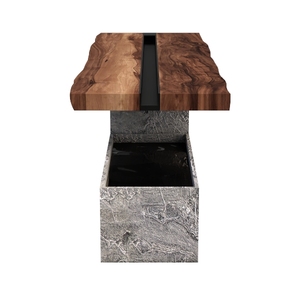
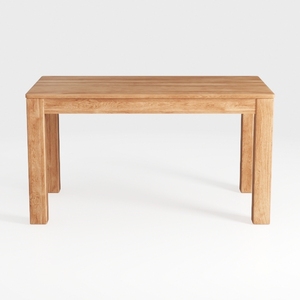
ZQQLVOO Writing Computer Desk,Home Office Desk,Hom
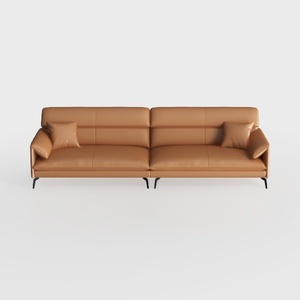
Modern Minimalist Tan Leather Living Room Sofa 3D Model
Homestyler is your go-to online home design platform, perfect for bringing your vision to life. With an easy-to-use design tool, stunning 3D renderings, a variety of design projects, and DIY video tutorials, you can effortlessly create and customize your dream spaces. Start your design journey today!
立即免费设计
































