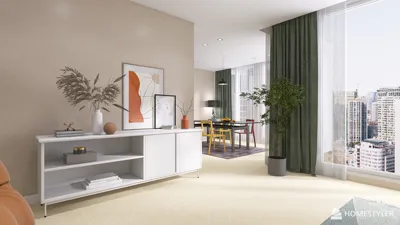


In the last ten years as an interior designer, I have witnessed a remarkable evolution in living room wall tiles—from being mere functional elements to becoming striking design features. Today’s interior design landscape is dominated by bold textures, artisanal tiles, and a fusion of various materials. Working with compact spaces has often challenged my creativity, leading to some of my most unforgettable transformations. In this article, I will present 10 innovative living room wall tile ideas inspired by actual projects, practical experience, and expert insights, featuring the versatility of tools like Homestyler.
1. Contemporary Textured Tiles
My Insight: Textured tiles have become my preferred choice for clients seeking understated yet impactful wall designs. In a small apartment, these tiles contributed to a calm and clutter-free atmosphere.
Advantages: Light-toned textured tiles can reflect ambient light and add depth while maintaining visual serenity, a crucial aspect for smaller living spaces. Architectural Digest emphasizes that layering textures can prevent a flat appearance in interiors.
Drawback: The subtlety of these tiles may go unnoticed by some guests unless they examine them closely.
Suggestion: Combine these tiles with soft, neutral furniture to enhance their understated elegance.
2. Large-Format Porcelain Panels
My Insight: For a snug condo project, I used large porcelain panels to create a striking accent wall, which instantly made the living area feel more spacious. This technique highlights how well-planned living room walls can enhance both comfort and aesthetics.
Advantages: With fewer grout lines, the visual is cleaner and maintenance is simpler, making it an excellent choice for modern, open-concept spaces.
Drawback: The installation process can be challenging; large tiles require specialized tools and skilled professionals to cut and place correctly.
Cost Insight: While the initial material costs can be higher, the reduced maintenance over time can offset that in the long run.
3. Moroccan-Style Patterns
My Insight: By utilizing geometric Moroccan tiles in a bohemian loft, I transformed the space into a lively and culturally rich environment.
Advantages: These tiles add a unique vibrancy and cultural depth, making them ideal for eclectic designs. According to Elle Decor, patterned tiles are set to be a trend in 2024 for their ability to personalize interiors.
Drawback: Too much pattern can lead to a busy appearance; these tiles work best as an accent on one wall instead of covering all surfaces.
Suggestion: Balance the look with plain furniture and softer materials to maintain harmony in the space.
4. 3D Textured Tiles
My Insight: For a client's living room desiring a sense of fluidity, I installed wave-patterned relief tiles, which came alive under tailored lighting conditions.
Advantages: These tiles create exciting tactile and visual dynamics, especially with strategic lighting, forming an art-like feature on the wall.
Drawback: Dust can accumulate in the grooves, necessitating more frequent cleaning.
Suggestion: Limit this style to a single wall to avoid overwhelming the overall space.
5. Brick-Style Tiles
My Insight: In a small industrial-themed apartment, I incorporated slim brick-effect tiles, giving the space an urban yet rustic charm that my client appreciated.
Advantages: These tiles offer the look of exposed brick without needing structural modifications, suiting both industrial and Scandinavian aesthetics.
Drawback: Darker brick tones can make smaller rooms feel even more confined.
6. Natural Stone Veneer
My Insight: A limestone veneer feature wall in a penthouse lounge exuded subtle luxury and complemented wooden flooring beautifully.
Advantages: Timeless and robust, stone tiles also improve sound quality by absorbing noise.
Drawback: Being heavier materials, they may necessitate evaluating the wall's load capacity before installation.
7. Glossy Subway Tiles
My Insight: I introduced classic subway tiles—often seen in kitchens—into a small living room accent wall, adding brightness to a previously dim apartment space I renovated.
Advantages: Economical, readily available, and effective in amplifying light, these tiles are perfect for small urban dwellings.
Drawback: Without thoughtful styling, they can appear overly utilitarian.
Example: To refresh the design, stagger the tile layout or opt for colored grout to create a coordinated, cohesive look with an adjoining open kitchen.
8. Terrazzo Wall Tiles
My Insight: In a spirited project, I utilized terrazzo tiles to infuse youthful energy into a couple's living room.
Advantages: A lively mix of colors and textures, terrazzo tiles are also excellent at concealing dirt and fingerprints.
Drawback: Bold designs can be polarizing—some may find the look too visually cluttered.
9. Metallic Finish Tiles
My Insight: I incorporated bronze-toned metallic tiles in a modern apartment for an elegant shimmer that shifts with the lighting.
Advantages: They bring a touch of glam without heavy embellishments while enhancing the effects of mood lighting.
Drawback: Glossy metallic surfaces can prominently display fingerprints and smudges.
10. Wood-Look Ceramic Tiles
My Insight: For a compact renovation, I merged wood-look ceramic tiles with real timber accents, creating a warm, organic vibe.
Advantages: These tiles deliver natural aesthetics without the upkeep associated with real wood, fitting seamlessly into cozy, Scandinavian-inspired themes.
Drawback: Patterns that repeat within budget-friendly options may reveal they are not real wood.
Tip: Opt for higher-quality series for diverse, realistic grain patterns and utilize tools like Homestyler to plan wall coverage effectively.
Conclusion
Ultimately, designing a small living room with the right choice of wall tiles is not about limitations but rather about making intelligent and intentional selections. As highlighted by House Beautiful, the most successful designs strike a balance between functionality and personality. Which of these innovative living room wall tile ideas would you consider implementing in your own space?
Frequently Asked Questions
1. What are the best tiles for a compact living room?
Light-colored, glossy, or large-format tiles can enhance the perception of space while infusing style into a small living room.
2. Are wall tiles durable enough for living rooms?
Absolutely, especially porcelain, ceramic, or stone tiles—they resist damage and are easy to maintain according to The Tile Council of North America.
3. Is it possible to mix different wall tile styles?
Yes, as long as you maintain a consistent color scheme or complementary shades, mixing can be very effective.
4. How can I care for textured wall tiles?
Use a soft brush and a mild cleaner regularly; avoid harsh cleaning tools that could damage the surface.
5. Do tiles contribute to a cooler room temperature?
Tiles can feel cool to the touch, but combining them with rugs and warm lighting can create a more inviting atmosphere.
6. Are peel-and-stick wall tiles a reliable option?
They provide a quick and budget-friendly solution for renters, although they aren't as durable as traditional tiles.
7. What is the cost of tiling a living room wall?
Prices can vary significantly—from $8 to $50 per square foot, installed, depending on material choices and local labor costs.
8. Is it possible to tile over painted walls?
Yes, provided the surface is stable, clean, and properly primed; otherwise, the tiles may not adhere effectively.
Looking to transform your home? Homestyler is your go-to online design platform! With its user-friendly design tool, stunning 3D renderings, and a wealth of DIY video tutorials, you can effortlessly create and visualize your ideal space—perfect for both novices and experienced designers alike!
Progetta ora GRATIS
































