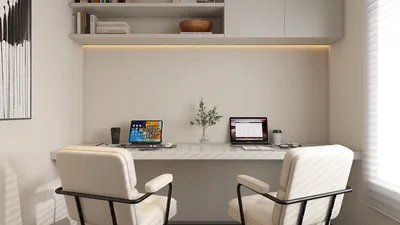


Throughout my decade-long journey as an interior designer, I have witnessed a remarkable transformation in the role of wall shelves for living rooms. No longer just practical storage solutions, they have become significant style elements. The trend now emphasizes the use of mixed materials, asymmetrical designs, and multifunctional furniture, enabling even small living areas to unleash great creativity. In this article, I'll be presenting ten innovative wall shelf concepts that I've implemented in real-world client projects, blending personal insights with extensive design knowledge and industry research.
1. Sleek Floating Shelves
Personal Insight: I added a set of slim oak floating shelves in my living room, which instantly opened up the wall space while allowing my favorite ceramics to take center stage.
Advantages: Sleek floating shelves provide a clean, uninterrupted visual line, making compact rooms appear larger, especially when painted in the same shade as the walls. As noted by Elle Decor, this strategy can enhance the perceived size of a room by as much as 15%.
Disadvantages: Unlike bracketed shelves, floating options have a limited weight capacity, making them more suitable for decorative items rather than hefty books.
Pro Tip: For a truly modern appearance, conceal the mounting hardware.
2. Industrial Pipe Shelving
Personal Experience: In a bachelor’s loft I designed, the addition of black iron pipe shelving seamlessly complemented the exposed brick walls.
Benefits: This design merges functionality with aesthetics, adding both texture and contrast to a space. The open structure is excellent for showcasing plants and artwork.
Drawbacks: Precision installation can be tricky and may not be compatible with lightweight drywall.
You can collaborate industrial pipes with wooden elements for a cozier feel while preserving the rugged appeal.
3. Leaning Ladder Shelves
Personal Insight: I once placed a leaning ladder shelving unit in a compact apartment, effectively acting as a room divider between the seating area and dining table.
Advantages: They're portable, versatile, and perfect for renters. Great for displaying art books and trailing plants.
Disadvantages: The weight capacity on the upper rungs is limited; overloading can lead to a messy appearance.
Cost Insight: A mid-range ladder shelving unit usually costs between $80 and $150.
4. Corner-Fit Tiered Shelves
Personal Experience: I highly recommend corner shelves for tackling awkward living room layouts; they make excellent use of otherwise neglected spaces.
Advantages: Ideal for maximizing storage in confined areas, they effectively hold both decorative items and essentials.
Drawbacks: If each tier holds items of significantly different heights, it may lead to visual disarray.
5. Glass Panel Shelving
Personal Insight: I once installed glass shelves above a client’s TV console, enhancing the airiness and lightness of the space.
Benefits: Glass surfaces reflect light, making smaller rooms feel more inviting, which is ideal for compact living spaces.
Drawbacks: Glass tends to show fingerprints and dust easily, requiring regular maintenance.
6. Custom Built-in Recessed Shelving
Personal Experience: One of my preferred custom solutions includes integrating shelves into walls, allowing the floor to remain clear.
Advantages: Offers a seamless appearance, saves space, and adds value to the home. According to Architectural Digest, well-designed built-ins can enhance perceived sophistication.
Drawbacks: This option involves construction and may not be suitable for rental properties.
When designed properly with a skilled carpenter, built-in shelving can also incorporate lighting features.
7. Picture Ledge Display
Personal Insight: I love incorporating picture ledges for curating rotating artwork without adding numerous holes to the wall.
Advantages: These ledges allow for easily changeable artwork, create layered visual interest, and ensure photo frames remain secure.
Drawbacks: If heights are inconsistent, the arrangement can appear cluttered.
8. Modular Cube Shelves
Personal Insight: For a children-friendly living room, I designed a vibrant modular cube shelf setup that was easy to rearrange.
Benefits: Their modular nature allows for limitless configurations, and they can function as storage bins.
Drawbacks: If overly colorful, they can dominate in a minimalist setting.
9. Metal Grid Wall System
Personal Insight: For a Scandinavian-inspired project, I utilized matte white grid panels equipped with clip-on shelves and storage baskets.
Benefits: Extremely customizable and multifunctional, this style fits perfectly in home office corners.
Drawbacks: This grid aesthetic may not appeal to everyone and could feel somewhat utilitarian.
Combining these grids with natural wood accents can introduce warmth to a modern design.
10. Asymmetrical Shelf Arrangements
Personal Insight: In an open-plan loft, we designed shelves in a non-linear fashion, allowing them to serve as pieces of wall art themselves.
Advantages: They inject artistic flair and movement into spaces, preventing them from feeling overly structured.
Drawbacks: Achieving a neat appearance can be challenging, requiring a strong sense of balance.
Conclusion
Incorporating wall shelves in your living room is about clever design rather than merely adding more items. Smaller spaces invite smarter design choices, not limitations. Shelves can provide storage, display capabilities, and even delineate zones, all while showcasing your personal style. What of these ten ideas would you implement in your living space first, perhaps utilizing tools like Homestyler for your planning?
FAQ
1. What’s the most efficient wall shelf for a compact living room? Built-in recessed shelving optimally saves floor space while blending into the wall design.
2. Are floating shelves adequate for holding books? They can be if properly secured with wall anchors and used within weight guidelines; better suited for display than for heavy items.
3. What materials are ideal for modern living room shelving? According to Architectural Digest, glass, metal, and medium-tone woods are gaining popularity in 2024.
4. How high should wall shelves be installed? Typically, they should be hung around eye level, around 4.5 to 5 feet from the floor to the center.
5. Are there renter-friendly wall shelves? Ladder and leaning shelves can avoid the need for drilling, making them great for rental spaces.
6. How can I style wall shelves to avoid clutter? Following the ‘odd number rule’ — grouping items in threes or fives maintains visual balance.
7. Do wall shelves contribute to increasing home value? Quality built-ins are attractive to buyers, providing practical storage with a small footprint.
8. What’s a budget-conscious yet stylish wall shelf idea? Modular cube shelves priced under $100 offer flexibility; consider our options using Homestyler for planning.
Looking to transform your space? Homestyler is an outstanding online home design platform that empowers you with an intuitive design tool, stunning 3D renderings, and a wealth of DIY video tutorials. Whether you're a novice or a design pro, create and visualize your dream home effortlessly!
Desain sekarang Gratis
































